Quick version
Why do electric shock sensations occur?
It can start discreetly: a tingling in your toes when you lie down, a tingling through your hand when you bend your neck or a feeling that your skin is "asleep" for no apparent reason. For many, electric shock sensations feel worrying precisely because they come from the body's own signaling system and are often difficult to put into words. They can be described as tingling, crawling, tingling, numbness or short shocks.
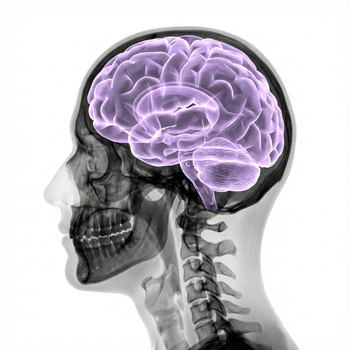
Behind the experience there is almost always a change in how nerves conduct signals. Sometimes it is a matter of temporary pressure on a nerve, such as when your foot goes numb after sitting in the same position for a long time. In other cases, the discomfort is a signal of nerve damage that needs to be investigated, for example in the case of diabetes, vitamin B12 deficiency, herniated disc or other disease of the nerves, spinal cord or brain.
How a nerve impulse normally works
The nervous system communicates with small electrical impulses. A nerve cell receives information, converts it into an electrical signal and sends it along the nerve fiber, the axon, to the next nerve cell or to a muscle. This signaling allows you to feel touch, interpret temperature, move your hand and automatically pull your foot away if you step on something sharp.
For the signal to arrive quickly and correctly, the nerve needs to be well insulated. This insulation is called myelin and works much like the plastic around an electrical cable. If the axon is damaged, or if the myelin breaks down, the signal can be slowed down, weakened or start to be misdirected. Then the brain can perceive normal signals as unpleasant or receive signals even though nothing has actually happened in the skin.
That is why nerve damage can not only cause reduced sensation but also misinterpreted sensation. A light touch can sting, the blanket against your feet can hurt and the body can create a sensation of bumps, burning pain or crawling insects without any external cause. Such symptoms are part of what is called neuropathic pain or paresthesia.
Why incorrect nerve signals feel like tingling, prickling and shocks
When sensory nerves are affected, they sometimes start sending spontaneous signals. This means that the nerve "fires" without the skin having been exposed to pressure, heat or damage first. The brain then receives information that it interprets as tingling, prickling or electric shocks.
Another mechanism is that the signal starts normally but is conducted irregularly. Then the information becomes noisy along the way, much like a conversation with poor coverage. The result can be numbness, poorer vibration sense, uncertain balance or a feeling that the foot does not really belong to the body. When small nerve fibers are affected, burning pain and temperature sensitivity are common, while larger nerve fibers more often cause reduced sensation, weaker reflexes and coordination difficulties.
Many people wonder why the symptoms often start in the feet. An important explanation is that the longest nerve fibers in the body are the most vulnerable. Therefore, nerve damage is often first noticed farthest in the toes and soles of the feet, later in the hands. This pattern is typical of polyneuropathy, for example in diabetes-related nerve damage.
Common causes of electric shock sensations and numbness
A common cause is pressure on a nerve. This can occur locally, as in carpal tunnel syndrome in the wrist, or from the spine, as in the case of a herniated disc where a nerve root is pinched. In this case, the symptoms are often located in a more limited area, for example the thumb–middle finger or along the outside of the leg. The symptoms can worsen in certain positions or when coughing, lifting and sitting for long periods of time.
Another large group is metabolic and deficiency diseases. Diabetes is the most common cause of peripheral neuropathy in the United States and can cause tingling, burning pain and numbness, especially in the feet. Low levels of vitamin B12 can also damage nerves and cause tingling in the hands and feet, balance problems and sometimes cognitive symptoms if the deficiency is long-term. Untreated hypothyroidism can also contribute to peripheral nerve damage, sometimes through swelling and pressure on nerves.
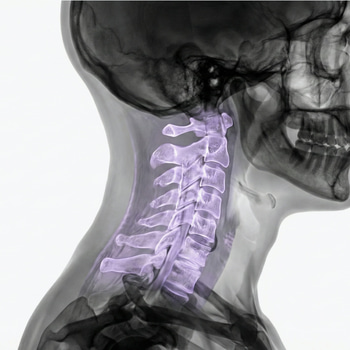
There are also inflammatory, infectious and autoimmune causes. Shingles can cause shooting or electrical pain along a nerve, Guillain-Barré syndrome can begin with paresthesias and increasing weakness, and multiple sclerosis can cause tingling, numbness or tingling from the central nervous system. In the so-called Lhermitte's phenomenon a brief electric shock-like sensation occurs from the neck down the back, often when the head is bent forward. Some medications, especially some cytostatics, can cause neuropathy as a side effect. High doses of vitamin B6 over a long period of time can also cause peripheral neuropathy.
In some people, there are several interacting causes. A person with well-treated diabetes may also have a B12 deficiency, and someone with a sedentary job may have both nerve compression from the wrist and incipient polyneuropathy. Therefore, it is rarely enough to just describe the symptoms; you also need to understand the pattern and context.
What the doctor looks for when assessing nerve symptoms
The investigation often begins with three questions: where are the symptoms located, how have they developed, and is there concomitant weakness or pain? Numbness in both feet that creeps up over months suggests something other than sudden numbness in one half of the body. The distribution in the body helps the doctor determine whether the problem is likely to be in a single nerve, a nerve root, several peripheral nerves, the spinal cord or the brain.
The examination assesses the sensation of touch, pain, vibration and position, along with reflexes and muscle strength. Reduced vibration sensation in the feet and weak reflexes often indicate peripheral neuropathy. A dermatome-like pattern, i.e. a band or strip along the arm or leg, may instead point to the impact on a nerve root from the back.
Blood tests are often an important part of the investigation. Common tests include glucose or HbA1c for diabetes, vitamin B12, sometimes methylmalonate, as well as tests for thyroid, kidney and other conditions that can damage nerves. If peripheral neuropathy is suspected, nerve conduction studies can be used to measure how quickly and how strongly the signal travels in the nerve.
It is also helpful to note when the symptoms occur. Do they occur at rest, during exertion, at night or in connection with a certain body position? Such information can make a big difference to the interpretation and help distinguish between temporary nerve irritation and a disease that requires further investigation.
When electric shock sensations should be taken more seriously
Not all tingling sensations are dangerous. An arm that "falls asleep" after you have laid on it usually disappears when the pressure is released. However, certain patterns should be assessed more quickly, especially if the symptoms are new, clearly increasing, or combined with other neurological symptoms.
Seek medical attention urgently if you experience numbness or tingling along with:
- sudden weakness in the face, arm, or leg
- speech impairment, vision changes, or balance difficulties
- rapidly increasing weakness in the legs
- new severe back pain with loss of sensation in the lower abdomen
- problems with holding urine or stool
Such symptoms can occur in conditions such as stroke, spinal cord involvement, or cauda equina syndrome and should not be left at home.
Even slower symptoms should be investigated if they recur or spread. Numbness in the feet that makes you stumble more often, burning pains at night or reduced sensation that means you don't notice chafing are not only unpleasant but can also increase the risk of subsequent problems. This is especially true in diabetes, where reduced sensation in the feet can lead to injuries that are discovered late.
What you can do - from self-observation to testing
Treatment is directed at the cause. If the nerve is pinched, attempts are made to reduce the pressure, sometimes with relief, ergonomic changes, physiotherapy or further orthopedic assessment. In diabetes-related neuropathy, good blood sugar control is central, and in B12 deficiency the deficiency needs to be treated to reduce the risk of permanent nerve damage. In hypothyroidism, hormone therapy is often an important part of the solution. Samples can therefore provide an initial clear direction, especially when the cause is not visible on the outside.
The pain itself may also need to be treated. Neuropathic pain does not always respond well to regular painkillers, and other medications are therefore often used after medical assessment. At the same time, everyday measures play a major role: good shoes, foot checks, less alcohol, a review of medications and early investigation if symptoms change.
The nervous system is built for precision, but when signaling is disrupted, it is often noticeable as something diffuse rather than dramatic. This is precisely why recurring tingling, ants crawling and electric shocks deserve to be taken seriously early on, before the body has time to adapt to incorrect signals that can actually be explained and sometimes treated.
Do you want to know what your values look like? Order a health check at Testmottagningen.se and get a secure basis for understanding symptoms such as numbness, tingling and fatigue-related nerve damage.