Quick version
Oestrogen (estradiol), progesterone, FSH and LH are the most important hormones to test if you suspect a hormonal imbalance. Together they regulate the menstrual cycle, ovulation and fertility, but a single hormone test is rarely enough to make a diagnosis.
Test results always need to be interpreted based on where in the menstrual cycle the sample was taken, what symptoms you have and your medical situation. Irregular periods, fertility problems, hot flashes or PMS-like symptoms can be due to several different conditions, such as PCOS, perimenopause, stress, thyroid disorders or lack of ovulation – not just a "hormonal imbalance".
If the hormone tests deviate, they are an important piece of the puzzle, but the next step is to investigate the underlying cause so that the right treatment can be initiated.
What do important female hormones mean when hormonal imbalance is suspected?
Many people seek care or information for various reasons such as irregular periods, mood swings more than usual, skin changes, fertility not working as expected or because the body simply “doesn’t feel like it used to”. When hormonal imbalance is suspected, it is common to want to learn more about which hormones actually play the biggest role.
For many women, it is primarily estrogen (estradiol), progesterone, FSH and LH that are central to knowing, because together they control the menstrual cycle, ovulation and large parts of reproductive health. At the same time, it is important to know that hormonal symptoms are not always due to these hormones – conditions such as thyroid disorder, elevated prolactin, PCOS or stress-related anovulation can also be behind it. Evidence-based investigation is therefore both about the right samples and about interpreting them in the right context.
Oestrogen (estradiol) – the hormone that affects more than the menstrual cycle
Oestrogen is a group of closely related hormones. Estradiol is the most important and biologically most active form in women of childbearing age. It is produced mainly in the ovaries and has a central role in the development of female sexual characteristics, the structure of the uterine lining and the regulation of the menstrual cycle. But estradiol also affects several other organs: the brain, the skeleton, the skin, the mucous membranes and to some extent the cardiovascular system.
When estradiol levels fluctuate or become low, it can cause symptoms such as:
irregular menstruation
absence of ovulation
dry vaginal mucosa
hot flashes and night sweats
mood swings
sleep difficulties
decreased bone density over time
However, it is important to understand that a single estradiol value rarely gives the whole picture. The level varies naturally during the menstrual cycle and therefore needs to be interpreted together with the clinical situation, such as menstrual pattern, age and symptoms. In fertility studies, it is often recommended that basal FSH and estradiol be measured together early in the cycle, usually on days 2–4, to make the results more meaningful.
A common question is: “Can low estrogen explain why I feel tired and not like myself?” The answer is that it can sometimes be so, but not always. Fatigue is nonspecific and can also be due to lack of sleep, stress, iron deficiency, thyroid disorder or other illness. Hormone tests are therefore most valuable when they are taken as part of a larger comprehensive medical assessment.
Progesterone in hormonal imbalance – what does it actually show?
Progesterone is formed primarily after ovulation in the corpus luteum in the ovary. Its most important task is to prepare the uterine lining for a possible pregnancy. If pregnancy does not occur, progesterone levels drop, which contributes to the start of menstruation. Progesterone therefore does not work separately, but in close interaction with estradiol.
From a clinical perspective, progesterone is often used as a marker for whether ovulation has occurred. A sample taken at the right time in the cycle can provide support that ovulation is actually taking place. However, progesterone is less useful as a “general hormone balance test” if you do not know where in the cycle the person is. A low value can be completely normal if the sample was taken before ovulation.
Symptoms that are sometimes linked to low or fluctuating progesterone are:
short luteal phase, i.e. the time after ovulation
breakthrough bleeding
irregular menstruation
difficulty getting pregnant
PMS-like symptoms
However, caution is needed here. In popular medical contexts, “progesterone deficiency” is often spoken of as an explanation for many diffuse complaints, but medically a more careful assessment is required. Irregular cycles can also be due to anovulation, PCOS, stress, underweight, overtraining, perimenopause or other hormonal conditions. Therefore, progesterone should be interpreted together with cycle history and other relevant tests.
For women with a uterus who use estrogen treatment in connection with menopause, progesterone is also important as a protection for the uterine lining. In menopausal hormone therapy, estrogen therefore often needs to be combined with progesterone or progestin if the uterus is still present.
FSH and LH – the signal hormones from the pituitary gland that control the ovaries
FSH (follicle-stimulating hormone) and LH (luteinizing hormone) are formed in the pituitary gland, a gland at the base of the brain. They function as the body's control signals to the ovaries. FSH stimulates the follicles – the fluid-filled sacs where the eggs mature – while LH is, among other things, crucial for triggering ovulation. Together, they also affect the production of estradiol and progesterone.
When FSH and LH are analyzed, they can provide important information about where in the hormone axis the problem lies:
High FSH together with low estradiol can indicate impaired ovarian function or premature ovarian failure.
Low or normal FSH together with low estradiol can be seen in hypothalamic amenorrhea, for example in cases of prolonged energy deficiency, overtraining or pronounced stress.
PCOS can also be a possible explanation for irregular or absent ovulation, but the diagnosis is made based on an overall assessment and not solely on FSH, LH or an LH/FSH ratio.
Do you suspect a hormonal imbalance? Here are common symptoms and causes
The term hormonal imbalance is often used broadly, but in the medical sense, the attempt is made to identify which system is affected and which itself is causing the symptoms. These can be numerous and overlap between different conditions. Common reasons for investigation are:
irregular or absent menstruation
fertility difficulties
unusually heavy or frequent bleeding
hot flashes, night sweats or dry mucous membranes
pronounced PMS or cycle-related problems
acne, increased hair growth or hair loss
suspected perimenopause or early menopause
These symptoms may be caused by the following conditions:
PCOS, where irregular menstruation, absent ovulation, acne and increased hair growth are common
hypothalamic amenorrhea, often linked to low energy levels, weight loss, high exercise load or mental stress
premature ovarian insufficiency, where ovarian function decreases earlier than expected
perimenopause/menopause
thyroid disorder or elevated prolactin, which can also affect menstruation
When should estradiol, progesterone, FSH and LH be tested?
Hormone tests are most useful when there is a clear question. Some examples of these are:
In case of absent or very irregular menstruation
In case of fertility investigation
In case of suspicion of early menopause or premature ovarian insufficiency
In case of suspicion of absent ovulation
In case of investigation of amenorrhea, often together with TSH and prolactin
In case of symptoms that suggest PCOS, when additional hormone tests are often needed
In case of suspicion of perimenopause or menopause in people over 45 years of age, FSH test is usually not needed if the symptoms are typical. However, testing may be more relevant in younger women, in case of atypical symptoms or when differential diagnoses need to be ruled out.
What can be done if the tests deviate?
The treatment depends entirely on the cause. An abnormal hormone test is not a diagnosis in itself, but a piece of the puzzle that can lead to the next step, which may be:
further medical investigation in case of missed periods or fertility problems
lifestyle measures in case of stress, low energy levels or overtraining
targeted treatment for PCOS
thyroid or prolactin testing if other signs indicate it
assessment of menopause or premature ovarian insufficiency
fertility counseling if you want to get pregnant
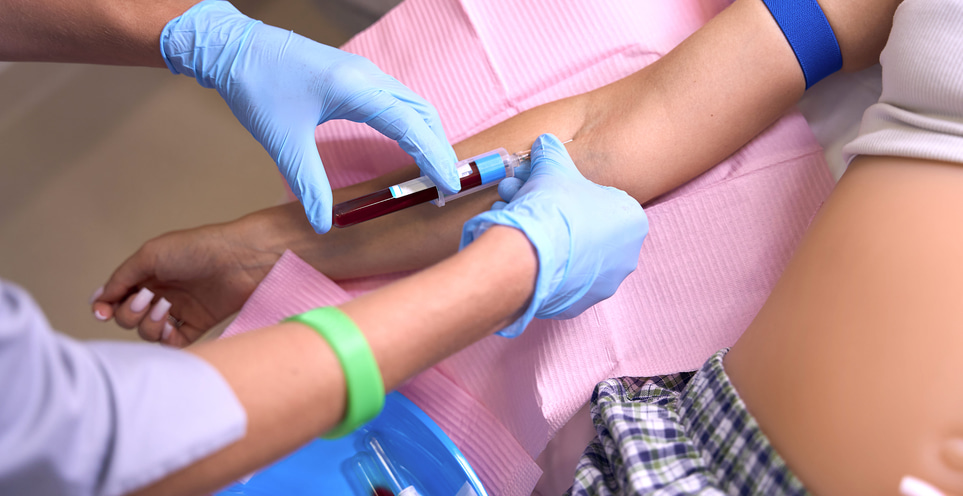
If you recognize yourself in irregular periods, fertility difficulties, PMS-like symptoms, hot flashes or other symptoms that raise suspicion of hormonal imbalance, it may be wise to check the relevant hormone values. See our various health test packages and blood tests for hormones below.