Quick version
An anti-inflammatory diet involves eating more vegetables, fruits, whole grains, legumes, nuts, fish, and olive oil, and less ultra-processed foods, sugar, and processed meats. Research shows that this can reduce low-grade inflammation and improve health, but it's the overall diet that matters—not individual "superfoods."
A sedentary period, poor sleep and a lot of fast food can give the feeling that the body is “running at a low speed”. For many, this raises the question of an anti-inflammatory diet: can what you eat actually affect inflammation in the body? The answer is yes, but not in the simplified way that is often seen on social media.
What is an anti-inflammatory diet?
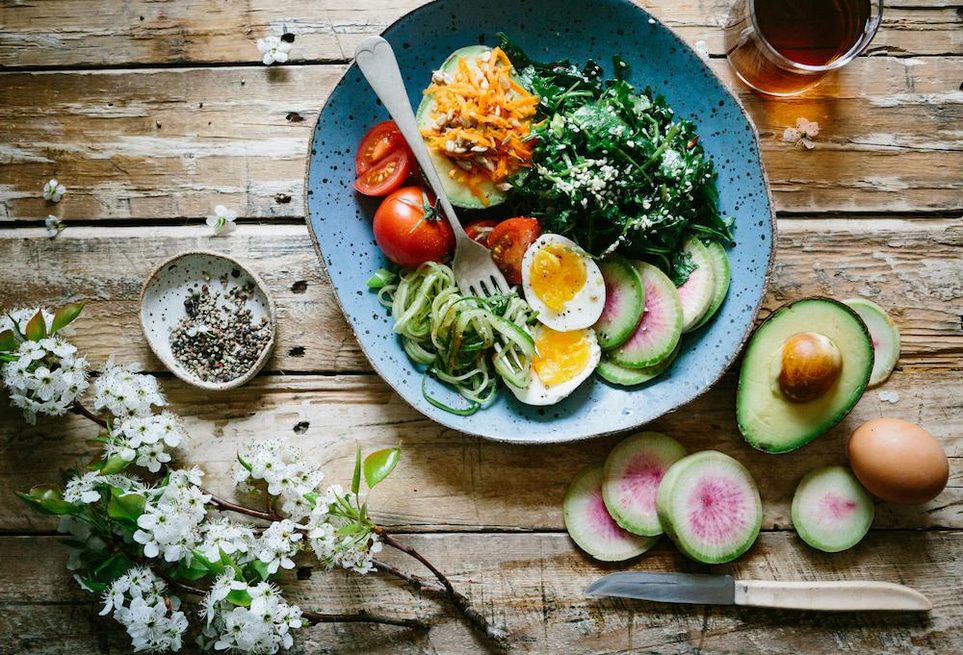
An anti-inflammatory diet is not a single diet program nor a list of “forbidden” foods. In a medical sense, it is about a dietary pattern that is linked to lower levels of low-grade inflammation, i.e. a long-term, weak activation of the immune system that can contribute to the development of disease over time. In practice, an anti-inflammatory diet means that the plate is filled with vegetables, fruit, legumes, whole grains, nuts, seeds and fish, preferably together with unsaturated fats such as olive oil. At the same time, ultra-processed foods, sweet foods and large amounts of red or processed meat are given a smaller place in the diet.
Inflammation is basically a protective mechanism. In the event of an infection or injury, it is needed for the body to heal. The problem arises when the inflammation becomes chronic and low-grade, without you always noticing it clearly. Then you see a connection with, among other things, cardiovascular disease, type 2 diabetes, fatty liver, obesity and certain inflammatory diseases.
This does not mean that food alone “cures” inflammation. But diet is one of the lifestyle factors that can most clearly influence inflammation-driving processes, together with weight development, physical activity, sleep, stress and smoking.
How does food affect inflammation in the body?
Several mechanisms work simultaneously. Fiber-rich foods from whole grains, vegetables, fruit and legumes benefit the intestinal flora, and when intestinal bacteria break down fiber, substances are formed that can support the intestinal barrier and dampen inflammatory signals. Conversely, a diet with a lot of ultra-processed products, refined carbohydrates and energy-dense foods can contribute to weight gain, poorer metabolic control and increased inflammatory load.
The fat composition also plays a role. Unsaturated fats from, for example, olive oil, nuts, seeds and fish are linked to better cardiovascular health and can have a beneficial effect on inflammatory markers, while a high intake of saturated fat and industrially processed products is more often associated with a worse risk profile. Fish also provides omega-3 fatty acids, which are part of the body's regulation of inflammatory processes.
Antioxidants are often mentioned in connection with an anti-inflammatory diet. These are substances in berries, fruit, vegetables, legumes and nuts that help the body deal with oxidative stress, i.e. an imbalance where harmful reactive substances are formed in greater quantities than the body has time to neutralize. Oxidative stress and inflammation often interact, which is one reason why a plant-based dietary pattern recurs in research.
What foods are included in an anti-inflammatory diet?
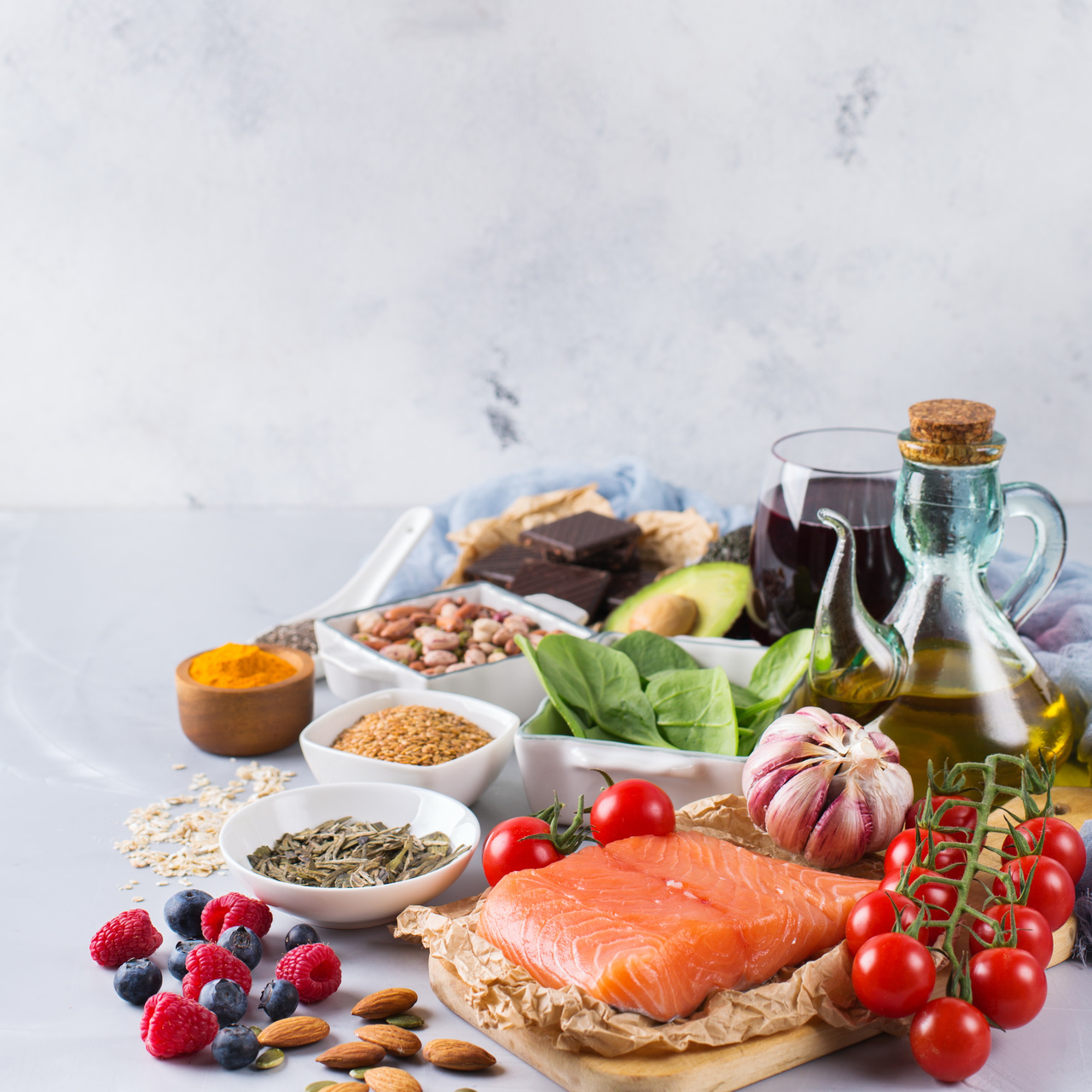
In practice, an anti-inflammatory diet is often similar to the Mediterranean diet. It is also the dietary model that has the strongest support in research when looking at cardiovascular health and inflammatory markers such as CRP and interleukins. The Mediterranean diet, especially when supplemented with olive oil, has been shown to contribute to lower levels of inflammation in the body.
Examples of foods that often fit into an anti-inflammatory dietary pattern are:
vegetables, especially leafy greens, tomatoes, broccoli, cabbage and onions
fruits and berries
legumes such as lentils, beans and chickpeas
whole grains such as oats, rye, barley and whole grain rice
nuts and seeds
olive oil and other vegetable oils with high unsaturated fat
fish and shellfish, preferably regularly
natural yogurt and other less processed foods in reasonable amounts
At the same time, it is usually recommended to reduce:
ultra-processed foods
sugar-sweetened beverages and large amounts of sweets
processed meats such as sausages, bacon and cured meats
large amounts of red meat
foods rich in trans fats and very saturated fat
high alcohol intake
What does the research say – and what is exaggerated?
A healthy diet can affect the body's inflammation levels and at the same time reduce the risk of several chronic diseases. The strongest support is for the overall diet rather than for individual foods that are often marketed as "superfoods". The whole simply plays a bigger role than whether you eat turmeric, ginger or blueberries now and then.
At the same time, it is important to have realistic expectations. A nutritious diet can contribute to lower inflammatory load and improve factors such as energy, body weight, blood fats and blood sugar. For some, this can also lead to milder symptoms. However, an anti-inflammatory diet is not a substitute for medical treatment for, for example, rheumatoid arthritis, inflammatory bowel disease or other chronic inflammatory conditions.
There are also many claims that gluten, dairy products or tomatoes cause inflammation in everyone. There is no general support for this. For most healthy people, there is no reason to exclude these foods in order to eat anti-inflammatory. However, people with, for example, celiac disease, lactose intolerance, cow's milk protein allergy or other individual problems may need to adjust their diet. It is therefore important to distinguish between medically motivated dietary changes and general dietary trends.
Who can particularly benefit from an anti-inflammatory diet?
People with abdominal obesity, high blood pressure, high blood lipids, prediabetes or type 2 diabetes often benefit from switching to a more anti-inflammatory dietary pattern. The same applies to fatty liver and for many people with an increased risk of cardiovascular disease. Here, the effect on inflammation coincides with improved metabolic health, which is clinically relevant even when you do not feel clear symptoms.
This also applies to people who “eat quite well” but still have a genetic predisposition for cardiovascular disease or diabetes. In such cases, it is not always enough to go by gut feeling. Blood tests can provide a more objective picture of how the body actually feels, especially if you want to follow the effect of lifestyle changes over time.
How do you start in practice without making the diet unnecessarily complicated?
The best anti-inflammatory diet is usually the one that can be maintained over time. For most people, small, concrete changes work better than a complete reboot. For example, start by replacing white bread with whole grains, cooking two fish meals a week, adding legumes to lunch or dinner and using olive oil where you previously chose butter or hard fats.
Another good step is to review how much of the food is ultra-processed. Ready-made snacks, sweet drinks, snacks and many fast food options can easily become a large part of the energy intake without providing the same amount of fiber and micronutrients. Replacing some of these with simpler staples often makes a bigger difference than hunting down individual health products.
If you want to make the change measurable, you can combine dietary changes with sampling. Then you can follow, for example, HbA1c, blood fats and sometimes inflammation-related markers depending on the question. For those who already have fatigue, obesity, high blood pressure or hereditary risk, this can provide a clearer basis than general advice.
When talking about anti-inflammatory diets, the discussion often gets stuck on what to avoid. In practice, the results are better when the focus is on what can be added: more fiber, more color on the plate, more raw materials and fewer standard solutions from the shelf. This makes the diet both more sustainable and easier to live with in the long term.