Quick version
Needing to urinate frequently is common and can be caused by anything from high fluid intake to conditions such as urinary tract infection, overactive bladder, diabetes or prostate enlargement. The key is not only how often you go to the bathroom, but also how much you urinate, whether the symptoms are new and whether they occur together with symptoms such as increased thirst, burning, fatigue or nighttime urination. In this guide, we will go over what counts as frequent urination, the most common causes, what warning signs you should pay attention to and which tests can help find the cause.
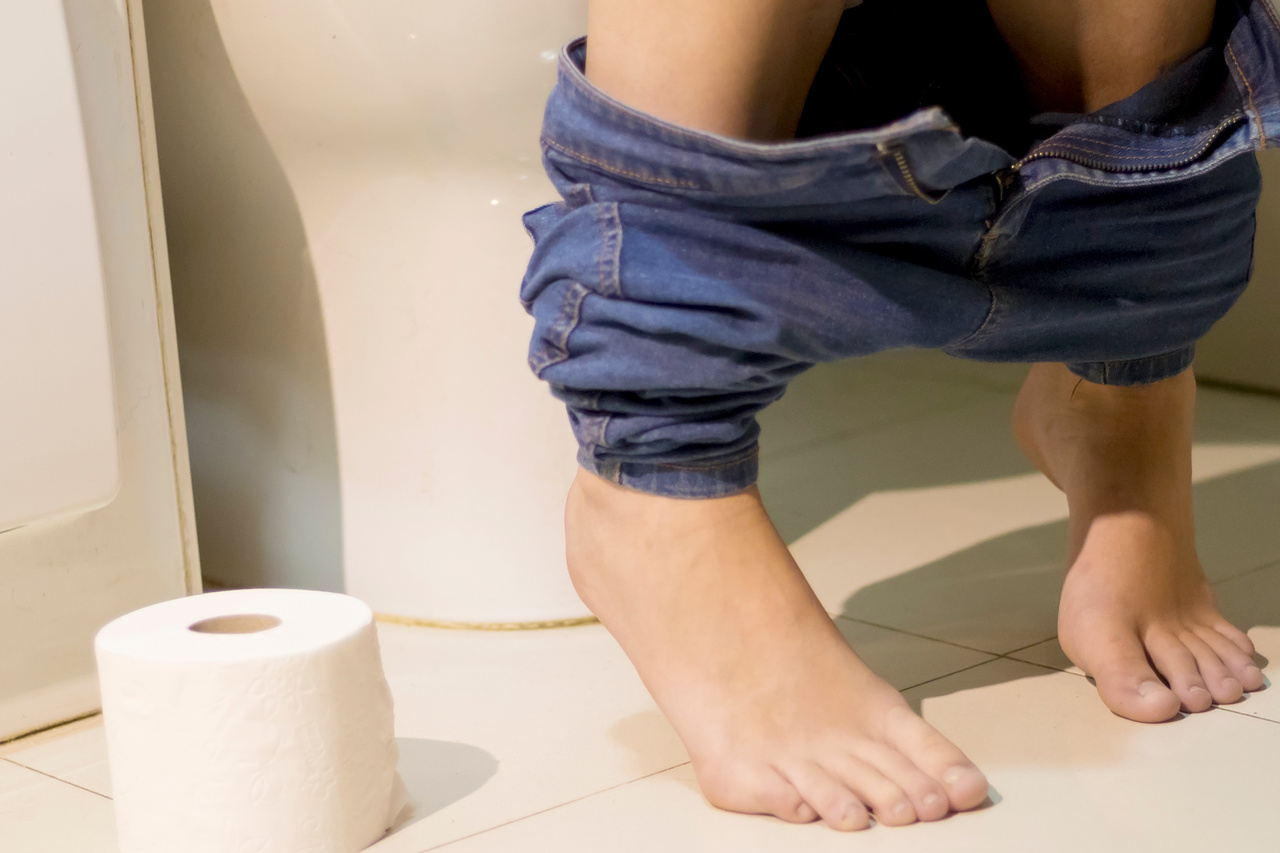
Do you find yourself planning the next day where the nearest toilet is? That you wake up several times a night to pee, or that you have suddenly become unusually thirsty and need to pee much more than before? It is common to wonder if you pee too much. Sometimes it is a matter of completely harmless habits, such as drinking a lot of coffee or drinking a lot of fluids. But frequent urination, large amounts of urine or nighttime urination can also be early signs of conditions such as urinary tract infection, overactive bladder, diabetes or prostate enlargement. In that case, it is wise to take the symptoms seriously and get tested.
What exactly is “too much” to pee?
There is no exact number of toilet visits that suits everyone, but in healthy adults it is common to pee about 4–8 times a day and at most once, or not at all, at night. If you urinate more often than that, or if your symptoms have clearly changed compared to what they usually are, it may be a sign that something needs to be investigated.
It is also important to distinguish between two different situations:
Frequent visits to the toilet with small amounts of urine - more often indicates bladder irritation, overactive bladder or urinary tract infection.
Large amounts of urine each time - may indicate that the body is getting rid of an unusually large amount of fluid, for example in the case of diabetes, certain medications or more rare hormonal disorders.
It is not unusual to urinate frequently if you also drink a lot of fluids, and in many cases it is completely normal. However, if the increased thirst and frequent urination are accompanied by fatigue, involuntary weight loss, blurred vision or waking up repeatedly at night to urinate, these may be signs of diabetes. Then it may be wise to check your blood sugar levels.
Common causes of frequent urination
Frequent urination is a symptom, not a diagnosis. Therefore, you need to consider the pattern, other symptoms and how long the problem has been going on.
Common causes are:
High fluid intake
If you drink a lot of water, energy drinks, coffee or alcohol, the amount of urine naturally increases. Caffeine and alcohol are diuretics and make you need to urinate more.Urinary tract infection
Frequent urges, burning when you urinate and the feeling of having to urinate often but only passing small amounts are typical symptoms. Sometimes there is also blood in the urine.Overactive bladder
Then the bladder signals "now you have to urinate" even though it is not full. Typical symptoms include urges, frequent visits to the toilet, nighttime urination and sometimes leakage before you have time to go to the toilet. The symptoms are often defined as frequent urination during the day, strong urges and/or needing to get up more than once a night.Diabetes
High blood sugar causes the kidneys to try to get rid of excess glucose through the urine. This causes more fluid to be drawn in, which leads to both increased urine output and increased thirst.Prostate enlargement in men
Benign prostate enlargement becomes more common with age and can cause frequent urges, nighttime urination, weak stream, difficulty starting and a feeling that the bladder is not completely empty.Medications and other conditions
Diuretic medications, for example for high blood pressure or heart failure, increase urine output. Even more unusual conditions such as diabetes insipidus can cause very large amounts of urine and pronounced thirst.
For some, the cause is simple. For others, testing is needed to see if the symptom is related to blood sugar, kidney function, infection or other abnormalities.
When is frequent urination a sign that you should get tested?
It is especially wise to proceed with testing if the symptoms are new, increasing or affecting your everyday life.
You should react if you:
urinate significantly more often than before
need to get up several times a night to urinate
feel very thirsty while urinating a lot
have burning, pain or discomfort when urinating
see blood in the urine
have difficulty holding in or have to rush to the toilet
have a weak stream, difficulty starting or a feeling of incomplete emptying
feel tired, lethargic or losing weight without a clear explanation.
There are also times when you should not only get tested, but seek medical attention more quickly:
blood in the urine
fever and poor general condition
back or side pain
difficulty urinating despite a strong urge
very great thirst and large amounts of urine together with fatigue or nausea.
Extra caution is required for children: unusually large amounts of urine together with strong thirst and fatigue can be signs of type 1 diabetes and need to be assessed urgently.
What tests and values may be relevant?
Many people think that urinary problems should always be investigated with a urine test, but often you need to see the whole picture. The right test depends on the symptoms you have.
Common tests and checks may include:
Urine test
Can show signs of urinary tract infection, blood, sugar or other effects in the urinary tract. Sugar in the urine can occur with diabetes, and white blood cells in the urine can indicate infection or inflammation.Blood sugar or long-term blood sugar (HbA1c)
If you urinate a lot, are thirsty or tired, it is important to rule out diabetes or pre-diabetes. Symptoms can come on insidiously, especially with type 2 diabetes.Kidney values
Kidney function affects the body's fluid balance and may be relevant if you have large amounts of urine, high blood pressure, diabetes or other risk factors.PSA and further prostate assessment in men
For male urinary tract symptoms such as nighttime urination, weak stream and frequent urges, prostate assessment may be relevant. However, PSA should always be interpreted in the right context and not as a single answer to all urinary problems.Bladder emptying or micturition diary
Writing down how much you drink, how often you urinate and approximately how large the amounts come can provide valuable information. It helps to distinguish between truly increased urine volumes and frequent urges with small volumes. Caffeine and alcohol can also irritate the bladder and make you need to pee more.
What can you do yourself – and when is that not enough?
If you pee a little too often but otherwise feel fine, you can start by reviewing your habits:
reduce large amounts of coffee, energy drinks and alcohol
avoid "safety peeing" too often without a clear urge
drink evenly throughout the day instead of very late at night
note how often you pee and whether the amounts are small or large
pay attention to other symptoms such as thirst, fatigue, burning or leakage.
But self-care is not always enough. If you have had problems for more than a few weeks, if the symptoms recur, or if you suspect that something is wrong with your body, it is reasonable to proceed with testing.
This is especially true if you think:
“I don't drink more than usual but I pee a lot more.”
“I'm thirsty all the time.”
“I wake up several times every night and am tired during the day.”
“It stings or feels strange when I pee.”
“I'm a man and have both frequent urges and a weak stream.”
Then it is better to get a clear answer than to guess.
Testing yourself is not about overreacting. It is a safe way to find out if your symptoms are due to something simple and temporary, or if you need to proceed with treatment or medical assessment.