Quick version
Hemochromatosis is a specific, usually hereditary disease in which the body absorbs too much iron from food. Iron overload is a broader term where high iron levels can instead be due to inflammation, liver disease, alcohol or blood transfusions.
Since a high ferritin value also rises with normal inflammation, it must always be analyzed together with transferrin saturation and sometimes genetic testing to establish the correct diagnosis. Symptoms such as fatigue and joint pain are common but diffuse. Treatment is guided by the cause: in hemochromatosis, regular blood transfusions are performed, while in secondary iron overload, the underlying problem is treated.
Hemochromatosis or iron overload is not always the same thing — which is why many people are confused when blood tests show high ferritin or “too much iron.” Some have a hereditary disease that causes the body to absorb too much iron over many years. Others have iron overload for completely different reasons, such as inflammation, liver disease, excessive alcohol consumption, repeated blood transfusions, or a high ferritin value without actual iron storage in the organs. For those of you who want to understand your test results, it is important to know the difference between hemochromatosis and iron overload, as the investigation, risks and treatment may look different.
Hemochromatosis or iron overload – what is the difference?
The short answer is this:
Hemochromatosis is a disease, usually hereditary, in which the body absorbs too much iron from food over a long period of time.
Iron overload is a broader term that means that the body has too much iron or that blood tests indicate this — but the cause can be several different.
It is therefore entirely possible to have signs of iron overload without having classic hereditary hemochromatosis. It is also possible to have a genetic change linked to hemochromatosis without having developed clear iron storage or organ disease.
In hereditary hemochromatosis, it is usually a matter of changes in the HFE gene, especially the variant C282Y. The disease is most common in people of Northern European origin. The biological core is that the body's regulation of iron absorption works less well, including via the hormone hepcidin, which normally slows down the absorption of iron from the intestine. When this brake does not work as it should, iron is gradually stored in, among other things, the liver, pancreas, heart, joints and skin. Iron overload, however, can be due to several other situations, such as:
repeated blood transfusions
certain blood diseases
liver disease
high alcohol consumption
metabolic dysfunction/fatty liver
excessive intake of iron supplements
more uncommon genetic causes than HFE hemochromatosis.
This means that a single “high iron value” is never enough to diagnose hemochromatosis.
What tests show whether it is hemochromatosis or iron overload?
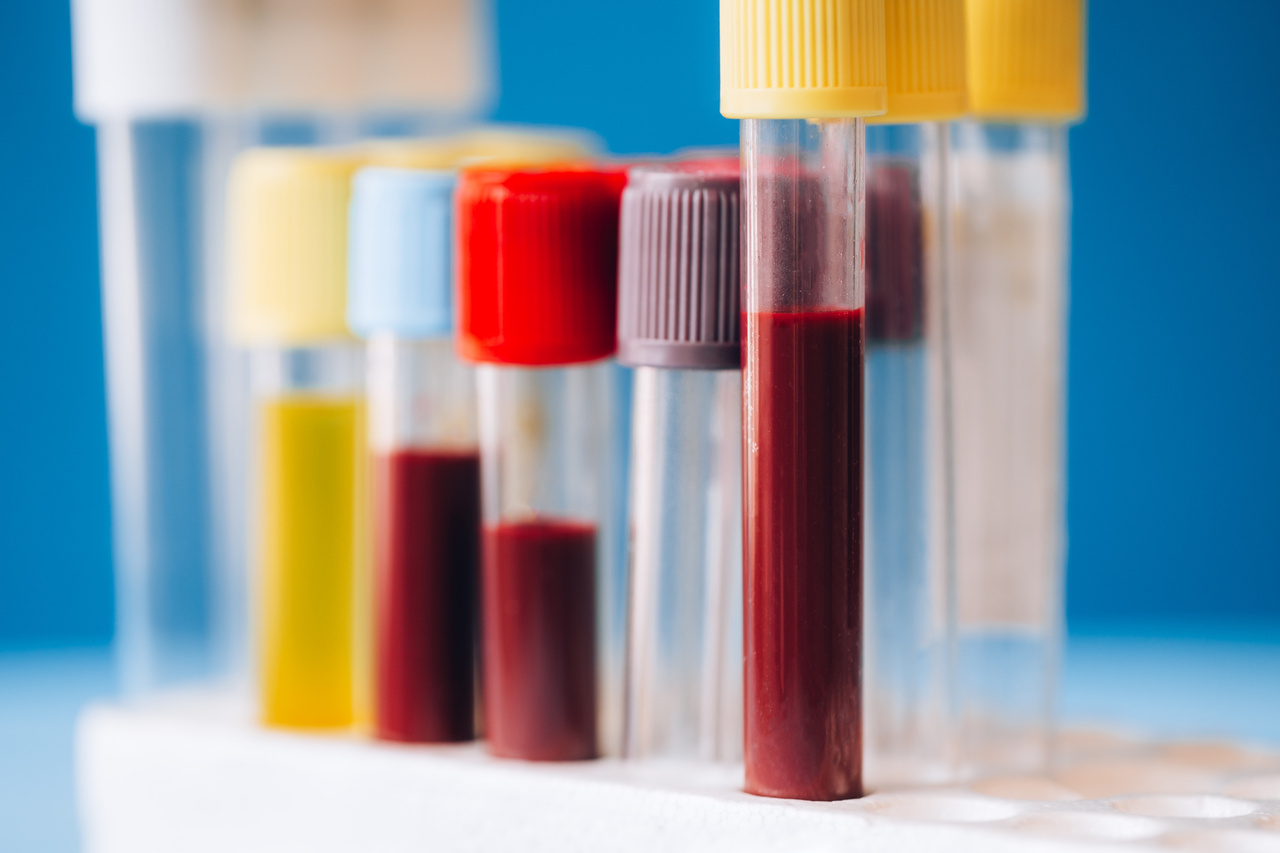
When investigating hemochromatosis or iron overload, it is important to understand that different blood tests say different things.
The most important tests are often:
Ferritin – a storage protein for iron. High ferritin can indicate large iron stores, but ferritin also rises in inflammation, infection, liver damage and metabolic disease.
Transferrin saturation (TSAT) – shows how large a proportion of the transport protein transferrin is bound to iron. An elevated value indicates more specifically that the body is circulating an unusually high amount of iron.
Serum iron andTIBC/transferrin – are used to interpret iron metabolism more completely.
Liver tests, blood status and sometimes CRP – help assess whether there is inflammation, liver damage or another explanation for the test results.
Here arises a common misconception, "High ferritin does not automatically mean hemochromatosis."
This is one of the most important clinical points. Ferritin is a useful test, but it is not specific. If ferritin is high at the same time as transferrin saturation is also elevated, the suspicion of hemochromatosis or true iron overload increases. If ferritin is high but transferrin saturation is normal, one must think more broadly and consider other causes.
Guidelines state that HFE genotyping should be considered in people of European origin with a biochemical picture that suggests iron overload, for example, elevated transferrin saturation together with elevated ferritin. The guidelines state approximate limits:
transferrin saturation >45% and ferritin >200 µg/L in women
transferrin saturation >50% and ferritin >300 µg/L in men.
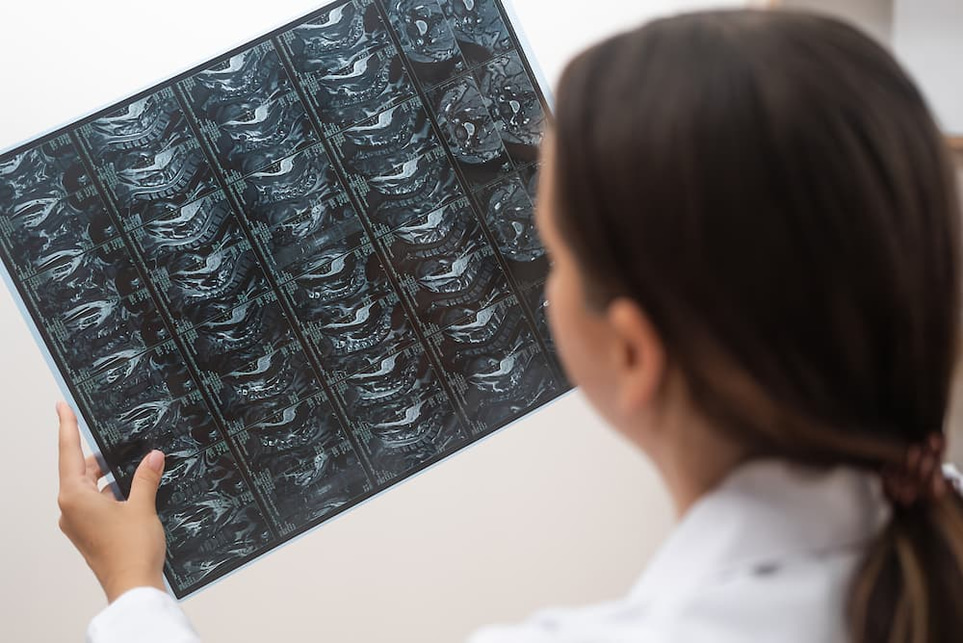
In some cases, MRI liver is also used to measure iron storage more directly and to distinguish true iron overload problems from other conditions.
These problems can be caused by hemochromatosis and iron overload
Many people seek care for diffuse problems and are surprised when iron tests deviate. This is because the symptoms are often non-specific at first.
Common early symptoms can be:
fatigue
loss of energy
joint pain, especially in the hands and knees
abdominal discomfort
elevated liver values
reduced sex drive or erectile dysfunction in men.
If iron overload is not treated, long-term iron storage can lead to serious complications, such as:
liver damage and cirrhosis
diabetes
heart damage or heart failure
hormonal disorders
skin pigmentation
chronic joint problems.
It is also important to know that not everyone with genetic hemochromatosis gets sick. Many have genetic predispositions or biochemical abnormalities without ever developing pronounced organ disease. In other words, a genetic risk is not the same as clinical disease. This is sometimes called variable penetrance of the disease, meaning that the same genetic change can cause very different degrees of disease in different people.
A common patient perspective is: “I feel tired most of the time — can it really be due to iron overload?”
The answer is: yes, it can. But fatigue is very common and nonspecific. Therefore, test results always need to be interpreted in context, along with symptoms, heredity and other laboratory values.
What causes iron overload if it is not hemochromatosis?
This is an important question, not least because many people are told about high ferritin during a routine health check.
Other common causes of elevated iron-related tests can be:
Inflammation or infection - ferritin is also an acute phase reactant and can rise without the body actually having excessive iron stores.
Liver disease - for example, fatty liver or alcohol-related liver damage.
Alcohol consumption - can affect both the liver and ferritin levels.
Blood transfusions - especially in chronic blood diseases, where iron is administered repeatedly times.
Overuse of iron supplements – more unusual, but relevant in people who take supplements without a clear indication.
Uncommon genetic iron storage diseases – especially if the HFE test is negative but the tests still clearly indicate iron overload.
When should you get tested and how is hemochromatosis or iron overload treated?
You should especially consider testing if you:
have repeated tests with high ferritin
have elevated transferrin saturation
have a close relative with hemochromatosis
have unexplained fatigue, joint pain or liver damage
have been told that your liver values are elevated without a clear explanation.
In case of suspected hemochromatosis The investigation often proceeds in stages:
Confirm abnormal iron tests
Ferritin and transferrin saturation are retaken or supplemented.Assess other causes
Liver values, inflammation tests, alcohol habits, metabolic health, medications and any transfusion history are looked at.Genetic testing if the right pattern is found
Especially if the transferrin saturation is elevated and ferritin is also high.Assess organ involvement
In some cases, MRI or other further investigation is needed, especially if ferritin is very high or if liver involvement is present.
Treatment depends on the cause.
In hereditary hemochromatosis, the standard treatment is usually venesection, i.e. regular bloodletting. The body's iron stores then gradually decrease because iron is used up when new red blood cells are formed. Early treatment can prevent complications and sometimes improve symptoms such as fatigue and certain liver test abnormalities.
In the case of secondary iron overload, the root cause is primarily treated. In the case of transfusion-related iron overload, iron-binding drugs may be considered instead of blood transfusion.
Many people also wonder: "Can I just stop eating iron-rich foods?"
Diet alone is rarely the entire explanation for hemochromatosis. In genetic hemochromatosis, the problem is mainly due to the body regulating its absorption incorrectly. Dietary advice can be a complement, but does not replace medical examination or treatment.
If you have already had a checkup and seen abnormal values, it may also be wise to follow up with related analyses, such as liver tests, blood status and increased iron markers. For those who want to work preventively — early testing can provide the opportunity to detect treatable abnormalities before symptoms become apparent.
Understanding the difference between hemochromatosis and iron overload is therefore crucial: hemochromatosis is a specific, often hereditary disease, while iron overload is a broader condition with several possible causes. Correct interpretation of ferritin, transferrin saturation and other blood tests is the key to moving forward in a safe and medically correct manner.