Quick version
Osteoarthritis is the most common joint disease and the risk of developing it increases with age, but factors such as obesity, previous joint injuries, heavy load and low muscle strength also play an important role. Although it is not always possible to prevent osteoarthritis completely, there is much you can do to reduce the risk.
Regular physical activity, strength training, a healthy weight and avoiding joint injuries are some of the most important measures. At the same time, it is also good to reduce prolonged sitting, take care of your general health and be aware of early symptoms such as stiffness, pain or swelling in the joints.
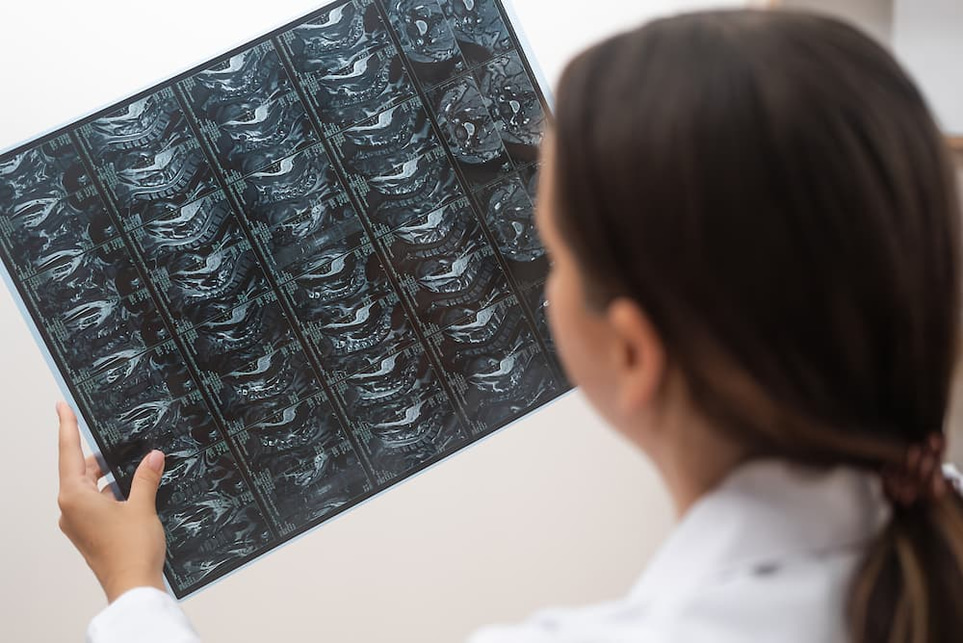
A magnetic resonance imaging (MRI) scan provides a detailed picture of the joints and helps to detect early signs of osteoarthritis or other changes - which can be good for those of you who have recurring joint problems. The earlier problems are identified, the better the opportunities are to adjust treatment, exercise and lifestyle to maintain joint health in the long term.
Many people only think of osteoarthritis when they start to feel their knees ache when walking up stairs, their fingers feel stiff in the morning or when their hips protest after a long walk. But for many, the road to osteoarthritis begins much earlier than that. It is therefore wise to be aware of how to prevent osteoarthritis and reduce the risk of future joint problems even before you have been diagnosed.
Osteoarthritis is the most common joint disease and often affects knees, hips and hands. The risk of being affected increases with age, but age is not the whole explanation. Other factors such as overweight, previous joint injuries, heavy or one-sided load and reduced muscle strength also play a role. The good news is that several of these risk factors can be influenced through physical activity, weight control and injury prevention measures, which are important ways to reduce the risk of osteoarthritis.
What is osteoarthritis and why does it occur?
What happens with osteoarthritis is that cartilage, bone, joint capsule and surrounding tissues change over time. The cartilage acts as a shock absorber and sliding surface in the joint. When the joint is subjected to adverse stress for a long time, or after an injury, the balance in the joint can be disrupted. This can gradually lead to pain, stiffness, swelling and poorer function.
Can osteoarthritis be prevented? Yes - here are 10 ways to help
1–4: Movement, strength, weight and everyday habits that reduce the risk of osteoarthritis
1. Stay physically active regularly
Regular physical activity is one of the most important measures for joint health. Movement helps the joint maintain function, improves muscle support around the joint and facilitates weight control. For adults, at least 150 minutes of moderate-intensity cardio activity per week is recommended, plus muscle-strengthening exercises at least 2 days a week.
Good examples are:
brisk walking
cycling
swimming or water exercise
dancing
light jogging if your joints tolerate it
strength training with body weight, machines or rubber bands.
2. Build your muscle strength around the joints
Strong muscles around the knee, hip and torso help distribute the load better. This reduces mechanical stress on the joint and improves stability. For people with early symptoms, strength training is often more important than many people think. It's not about training hard, but about training regularly and with good technique.
Examples of simple exercises:
Sitting/lying leg raises
Chair squats
Hip lifts
Toe raises
Single-leg balance exercises.
3. Aim for a healthy weight
Being overweight is one of the most important modifiable risk factors for osteoarthritis, especially in the knees and hips. Extra body weight not only increases the load on the joints, but also seems to affect the body via low-grade inflammation and metabolism. OARSI, CDC and NHS all highlight weight control as central to reducing the risk of osteoarthritis.
This does not mean that everyone has to chase a “perfect” BMI. Small, sustainable changes can make a big difference:
reduce sedentary time
increase daily movement
prioritize filling, nutritious foods
avoid repeated yo-yo dieting.
4. Reduce prolonged sitting – make sure you move during the day
Even if you exercise a few times a week, long periods of sitting can contribute to poorer muscle function, weight gain and stiffness. Therefore, try to break your sedentary lifestyle regularly during the workday.
Practical examples:
Get up every hour
Take walking meetings when possible
Choose the stairs sometimes
Get off the bus one stop earlier
Take 2–3 minute movement breaks when working at a desk.
5–7: Protect your joints and avoid unnecessary overload
5. Prevent joint injuries – especially in your knees
Previous joint injuries are a clear risk factor for later osteoarthritis. This is especially true for knee injuries that affect the meniscus, cruciate ligaments or ligaments. Therefore, injury prevention is important, especially for those who play sports or have a physically demanding job.
Remember to:
Warm up before training
Increase the amount of training gradually
Use the right shoes and equipment
Train balance, coordination and landing technique
Rehabilitate properly after sprains, knee injuries or surgery.
6. Take pain after injury seriously
It is common to wonder if an injury several years ago that hurt at the time but then went away still plays a role now and the answer is yes, it can. A joint that does not regain full strength, stability and mobility can be loaded less for a long time. Therefore, it is wise to seek an assessment if there is persistent swelling, instability, locking or pain after an injury. Early rehabilitation can likely reduce the risk of future problems, although it does not completely eliminate the risk of osteoarthritis.
7. Be aware of heavy and one-sided loads
Work or exercise with a lot of repetitive load, heavy lifting, kneeling or twisting can increase the risk of osteoarthritis in some joints. This does not mean that physical activity is dangerous. On the contrary, exercise is protective in the right dose. What is important to avoid is:
one-sided load pattern without recovery
poor technique
high load despite pain
recurrent microtrauma over time.
If you have a heavy job, you can try to introduce the following into your work method to reduce the load:
varied work steps
lifting aids
good work shoes
ergonomic review
planned recovery.
8–10: Diet and smoking – and paying attention to early signals
8. Eat to support weight, muscles and general health
There is no single “anti-osteoarthritis diet” that will definitely prevent osteoarthritis. However, there are good reasons to eat in a way that facilitates and contributes to other positive factors such as a healthy weight, stable blood sugar and good muscle mass. A diet with lots of vegetables, legumes, whole grains, fish, nuts and unsaturated fats is reasonable from a preventive perspective. For many, dietary advice is primarily about supporting weight control and reducing other risk factors in the body. Being overweight not only affects the knee and hip mechanically, but also seems to have biological effects that can contribute to the development of osteoarthritis.
9. Stop smoking and work on your overall health
Smoking is not the strongest risk factor for osteoarthritis compared to, for example, overweight and joint damage, but good general health plays a major role in the body's recovery, circulation, physical capacity and inflammatory environment. Other important factors that also affect how well you can be active, maintain a stable weight and take care of your joints are your sleep, stress management, fitness and metabolic health.
10. Don't wait – respond to early symptoms
Preventing osteoarthritis is also about catching problems early. If you notice recurring stiffness, pain with exertion, swelling or impaired function in a joint, it is wise to act before the problems become long-term.
Early warning signs may include:
Stiffness in the morning that quickly passes
Pain after activity
Pain on stairs or when you get up
Swelling after exertion
The joint feels weak, unstable or "loose".
Then it may be time to read more about symptoms of osteoarthritis.
How to find out if you have osteoarthritis
For those of you who have recurring joint pain, stiffness, reduced mobility or a previous injury that has never really healed, it may be time to examine the joint more closely. Osteoarthritis can develop over a long period of time before changes become apparent, and early detection can make it easier to adjust treatment and exercise.
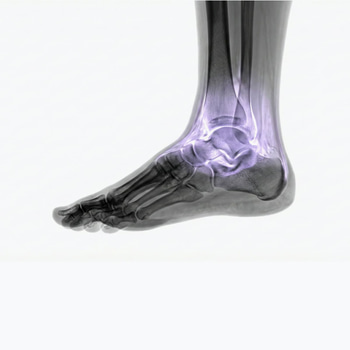
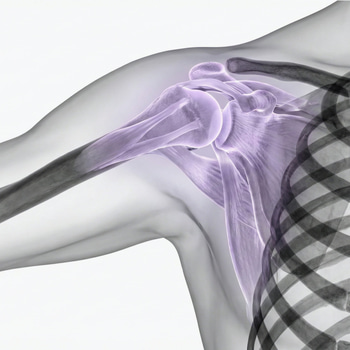
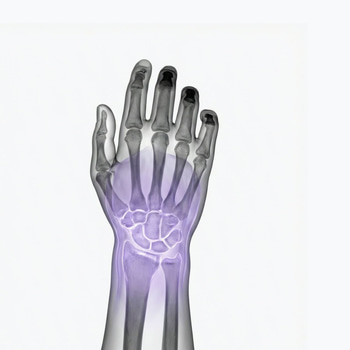
With magnetic resonance imaging (MRI), it is possible to obtain a detailed image of joints, cartilage, bones and surrounding soft tissues. We offer MRI examinations of, among others, knee, hip and pelvis, hands, feet, shoulders and other joints where osteoarthritis or other changes may be suspected. MRI can help identify early signs of osteoarthritis while ruling out other causes of the symptoms.
It is also important to seek care at your health center if:
the joint is clearly swollen or warm
you have nighttime pain
you experience a sudden worsening
the joint locks or gives way
you suspect a joint disease other than osteoarthritis
Osteoarthritis cannot always be completely prevented, especially if you have a strong heredity or previous major joint injuries. However, research shows that regular physical activity, strength training, a healthy weight and early management of symptoms can reduce the risk of problems and contribute to better joint health in the long term.