
Quick version
You step on the scale, see the number going down and think that everything is going in the right direction. But the body doesn't care about the kilos themselves. It can lose fat mass, but also muscle, fluid and sometimes even bone mass. Therefore, the question is not just if you lose weight, but what you lose when you lose weight.
How do you know if you are losing fat or muscle when you lose weight?
When talking about losing weight, people often mean that they want to reduce body fat while preserving as much muscle mass as possible. It is also the most favorable development for metabolism, physical function and long-term weight stability. Research shows that most of the weight loss usually consists of fat, but that a significant proportion can also be fat-free mass – that is, mainly muscle, but also other lean tissue. In many studies, the percentage of fat-free mass lost is approximately between 15 and 40 percent of the total weight loss, depending on the starting point, age, energy deficit, diet and exercise.
This means that two people can lose the same number of kilograms but get completely different results. One may lose the most fat and feel strong, while the other loses a disproportionate amount of muscle mass and becomes more tired, weaker and more weight-sensitive over time. To understand the difference, you need to follow body composition, not just body weight.
Signs that weight loss is not just from fat
It is not possible to see with the naked eye exactly what is being lost, but certain patterns raise suspicion that you are also losing muscle. A common example is that weight falls quickly at the same time as strength in the gym decreases clearly, recovery deteriorates and you feel unusually low in energy. You can also notice it functionally in everyday life. Stairs feel heavier, you have less strength to carry grocery bags or you feel that your body has become “smaller” but not firmer.
The risk of losing muscle during weight loss increases if you eat very little energy, skip protein-rich meals or lose weight without loading your muscles with strength training. Older people are particularly vulnerable, since aging itself increases the tendency to lose muscle mass. Several reviews show that resistance training and sufficient protein intake are central to preserving lean mass during weight loss.
Why the scale, BMI and mirror often give the wrong picture
A regular bathroom scale can only show total weight. It cannot distinguish between fat, muscle and fluid. If you lose two kilos in a week, it may therefore be a matter of reduced glycogen and fluid rather than real fat loss, especially at the beginning of a diet or on a low-carb diet.
BMI has the same limitation. Two people with the same BMI can have completely different amounts of body fat and muscle mass. This makes BMI useful for risk assessment at a group level, but blunt when it comes to understanding what is happening in an individual person's body during weight loss.
The mirror is not enough either. Fat can be reduced without being very noticeable initially, and muscle loss can be hidden if you also lose fluid or become less swollen. Therefore, subjective impressions can easily be misleading, especially if you want to make decisions about diet, exercise or medical treatment.
How DEXA body composition can show what you are actually losing
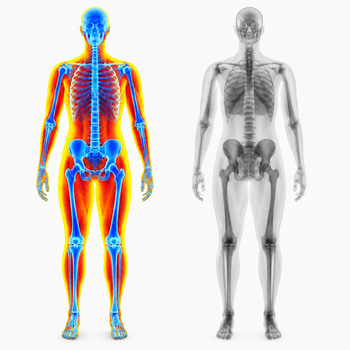
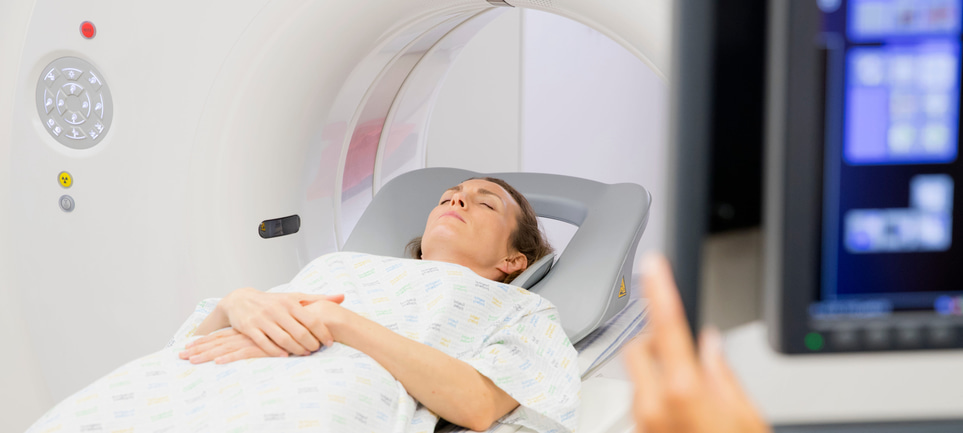
A DEXA examination measures body composition by distinguishing between fat, muscle mass and bone mass. The method is widely used in research and is considered one of the most established techniques for assessing body composition in adults. It can therefore provide a much clearer answer than a regular scale when the goal is to monitor whether the weight loss is mainly from fat or whether muscle mass is also decreasing.
A DEXA scan can show changes over time. For example, if you have lost 6 kilos since the last measurement, the scan can show whether most of it consists of reduced fat mass or whether a larger part than expected has come from lean mass.
A DEXA scan can also show how fat and lean mass are distributed in the body. This can be relevant to see if you want to monitor abdominal obesity, muscle mass in the arms and legs or recovery after illness, pregnancy or longer periods of inactivity. There are also certain limitations with DEXA, results are affected by technology, device, analysis method and to some extent fluid status, and the method does not measure muscle quality or strength itself.
For those wondering if DEXA really shows muscle, the answer is a little more nuanced. DEXA primarily measures lean mass, i.e. lean soft tissue, which is often used as a practical surrogate for muscle mass but is not exactly the same as pure skeletal muscle. Clinically, it is still very useful for monitoring change.
What increases the risk of losing muscle during weight loss?
The biggest risk factor is often an overly aggressive energy deficit. The faster and harder you push the weight down, the harder it becomes for the body to preserve muscle tissue, especially if strength training and protein intake do not keep up. Slower weight loss is often more beneficial for muscle preservation than rapid weight loss, especially in people who are already relatively thin.
The following factors further increase the risk:
- old age
- low physical activity or one-sided cardio training without strength training
- too low protein intake
- very large calorie deficits
- illness, inflammation or prolonged bed rest
- repeated yo-yo dieting periods
How to maximize fat loss and preserve muscle mass
For most people, the goal is not maximum weight loss in the shortest time, but a body composition that works in everyday life and is sustainable over time. Therefore, a weight loss plan should always include both nutrition, load and follow-up.
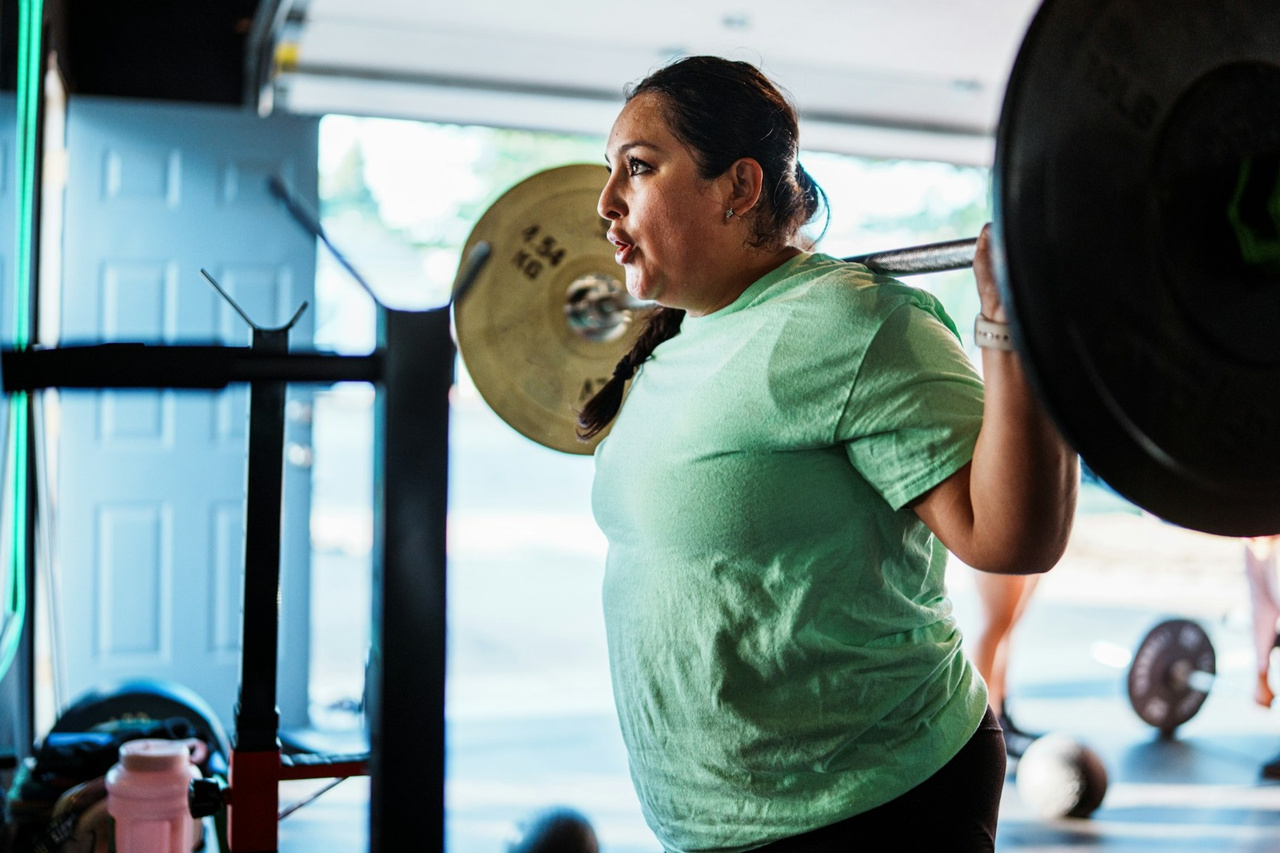
What usually helps the most is to combine a moderate calorie deficit with regular strength training. Resistance training signals to the body that muscles are needed, which reduces the risk of them breaking down during energy shortages.
Protein intake also plays a big role. Exact needs vary with age, weight, activity level, kidney function and how big the calorie deficit is, but in the context of weight loss, many people need more protein than they think. Especially people who do strength training, older adults or those who use weight loss medication may need to be extra careful with this.
Here's how you can measure progress:
- Changes in body composition, for example with DEXA
- Strength development, such as weights in the gym or number of repetitions
- Waist measurement
- Energy level, recovery and physical function in everyday life
If weight is lost but DEXA shows a clear loss of lean mass, the plan may need to be adjusted. This may involve more protein, a smaller calorie deficit, better meal distribution, more strength training or a medical review if something else is affecting the body.
When it is particularly wise to measure body composition
For some people, body composition measurement is extra valuable. This applies, for example, if you have stagnated in your development despite weight change, if you have recently started taking weight loss medication, if you are over 50 years old or if you want to reduce abdominal fat without losing strength.
Do you want a clearer answer than what the scale can give? Book a DEXA body composition at the Testmottagningen and see how much of your weight loss comes from fat and lean mass. For a broader picture of your health, you can also combine the examination with a health check or relevant blood tests.