Quick version
Soluble fiber from oats, legumes and vegetables can help lower LDL cholesterol.
Legumes can replace some of the animal protein.
Nuts, seeds and vegetable oils provide heart-healthy fats.
A healthy eating pattern is more important than individual foods.
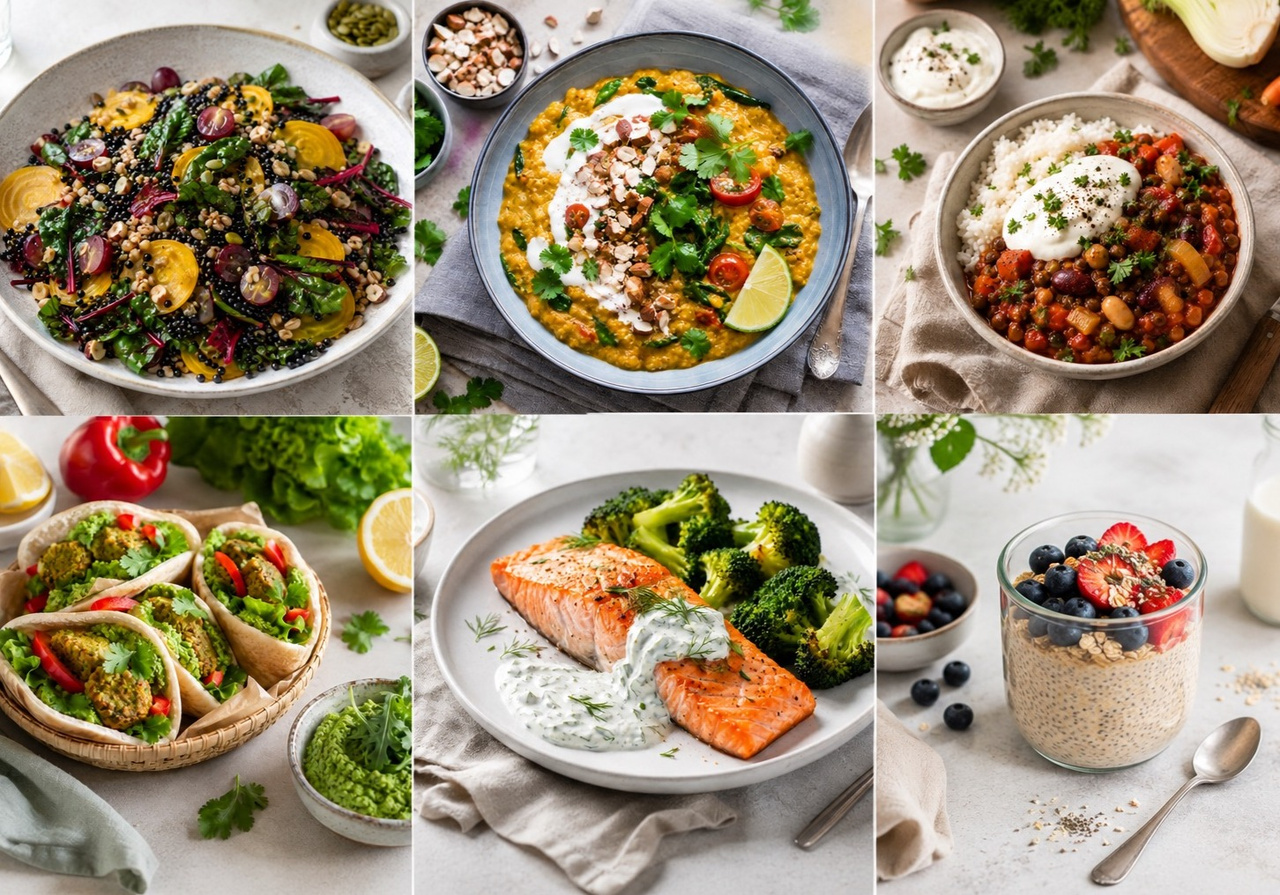
In collaboration with Tasteline, we have collected six delicious recipes to try this summer. You can find the full recipes at Tasteline.com at the links below.
1. Indian daal with chopped almonds
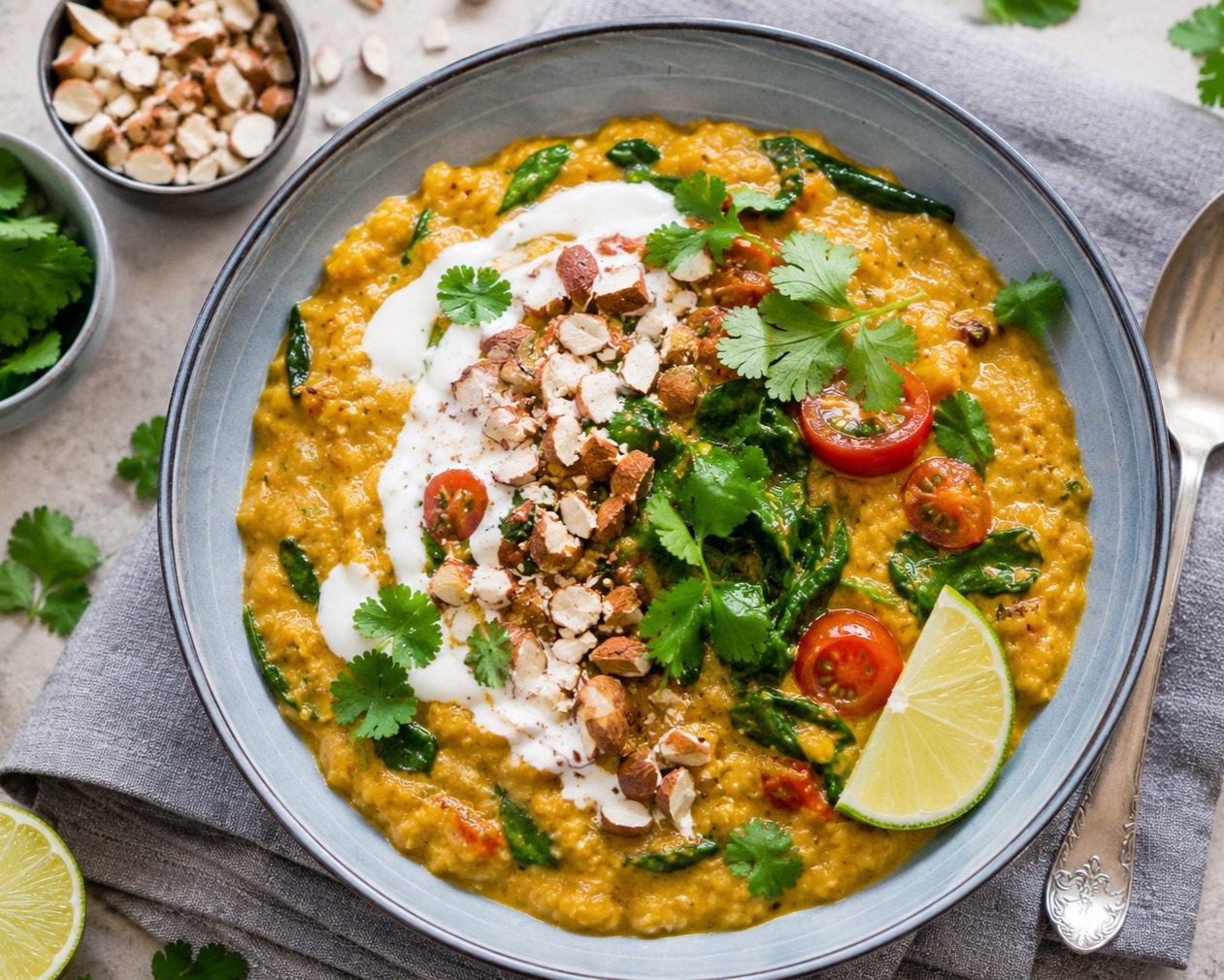
Daal is a classic Indian lentil stew where red lentils take center stage. The recipe also contains spinach and is topped with chopped almonds. Lentils are rich in both protein and fiber, while almonds contribute unsaturated fats that are beneficial for cardiovascular health.
Why is the recipe good for high cholesterol?
- High content of legumes
- A lot of dietary fiber
- Almonds contribute unsaturated fats
- Plant-based protein instead of red meat
Tip: Replace some of the coconut milk with oat cream or cooking oats if you want to reduce the amount of saturated fat. At the same time, it is important to remember that it is the overall diet that has the greatest impact on cholesterol levels.
The recipe for Indian daal with chopped almonds
2. Italian bean and lentil stew
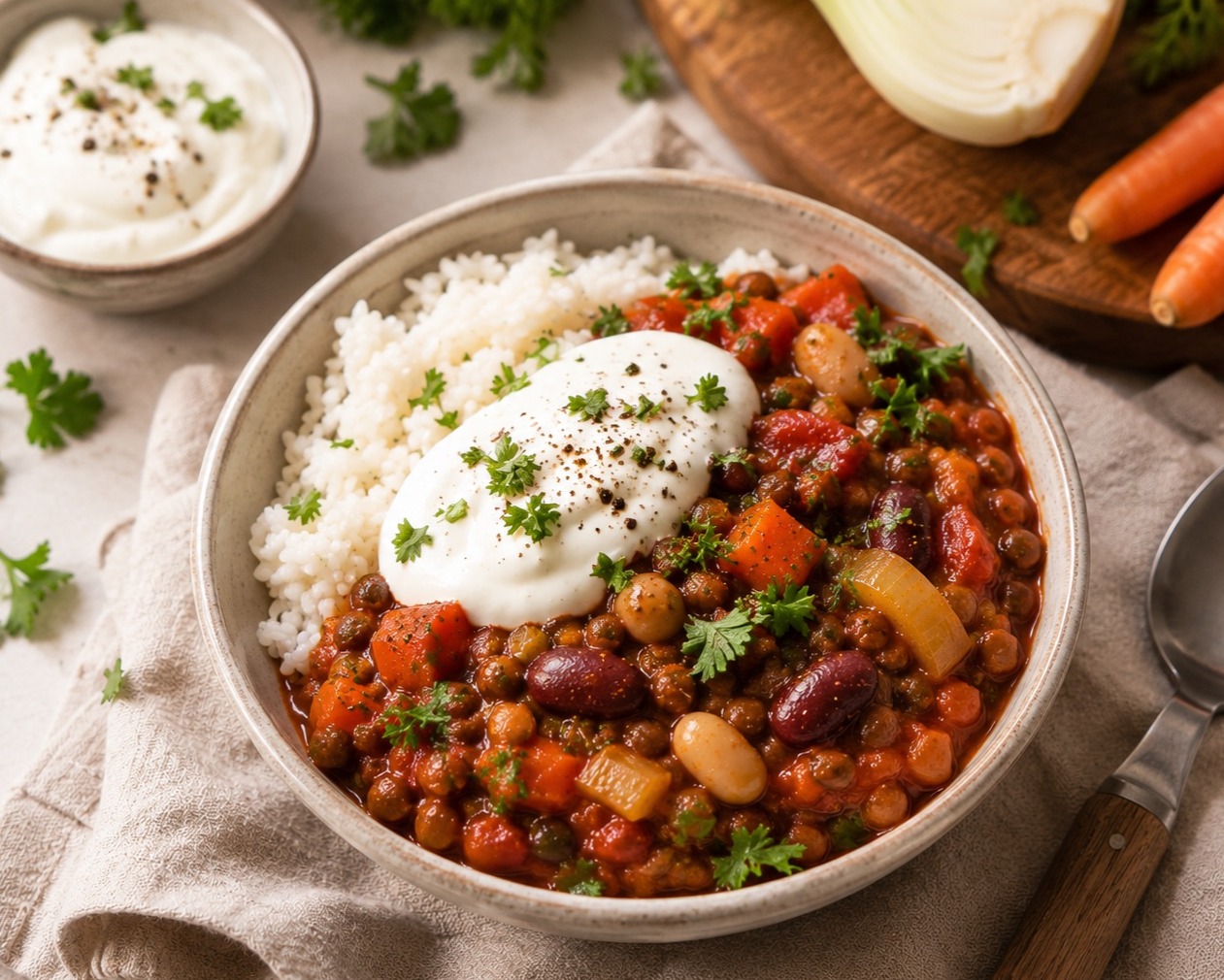
When legumes are given the spotlight, the result is often both filling and heart-healthy. The combination of beans and lentils provides plenty of fiber and plant protein while keeping the amount of saturated fat low.
Why is the recipe good for high cholesterol?
- Combination of several fiber-rich legumes
- High content of plant protein
- Low percentage of saturated fat
- Good as a vegetarian main course
The recipe for Italian bean and lentil stew
3. Oat and beluga salad with beetroot, chard and red grapes
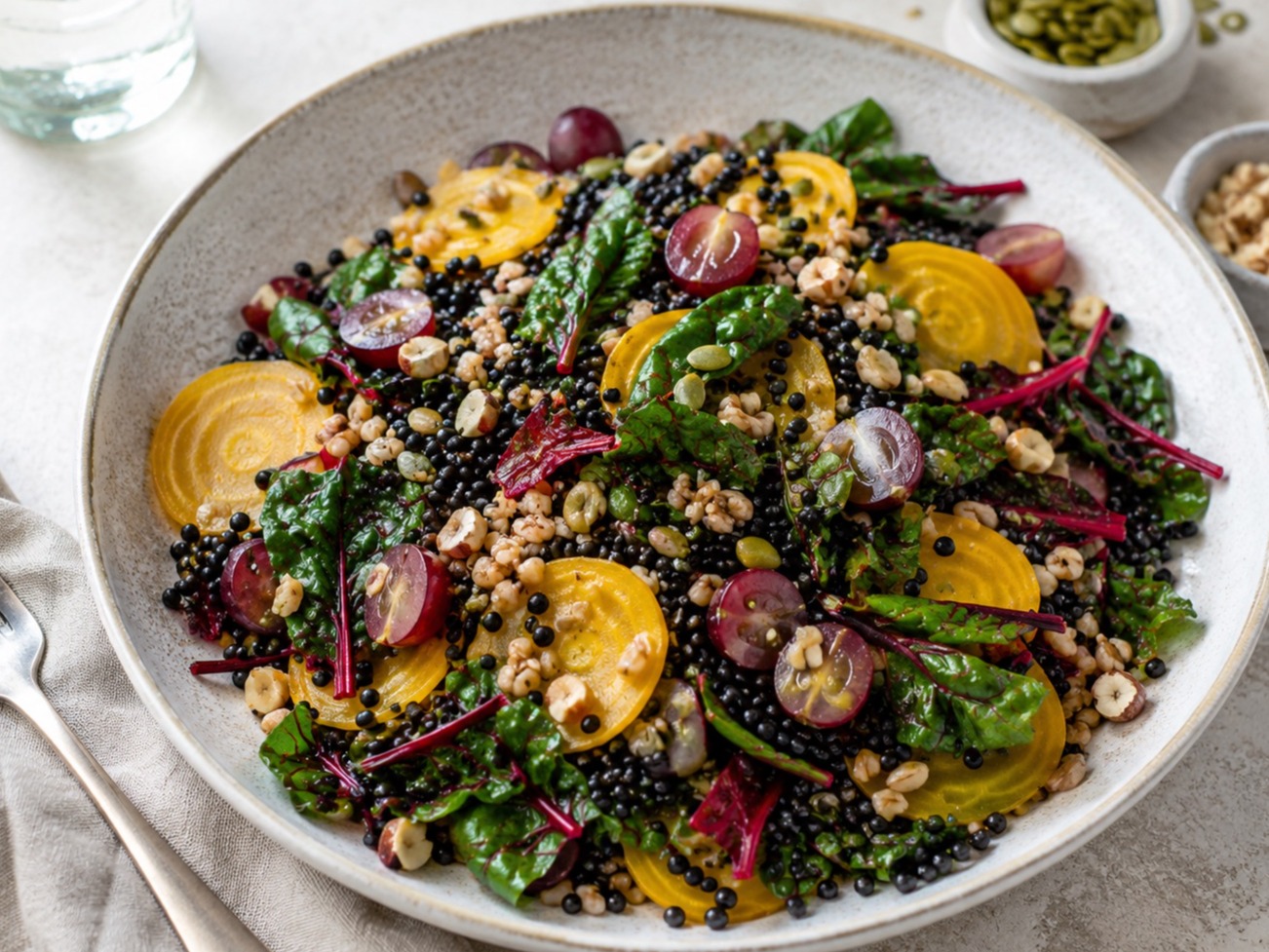
This recipe combines oats with beluga lentils and vegetables. Oats contain beta-glucans, a type of soluble fiber that has a documented effect on LDL cholesterol. The beluga lentils also contribute fiber and protein.
Why is the recipe good for high cholesterol?
- Beta-glucans from oats
- Fiber from both oats and lentils
- Lots of vegetables
- Plant-based meal with high satiety
The recipe for Oat and beluga salad with beetroot, chard and red grapes
4. Chickpea balls with green dip in pita bread
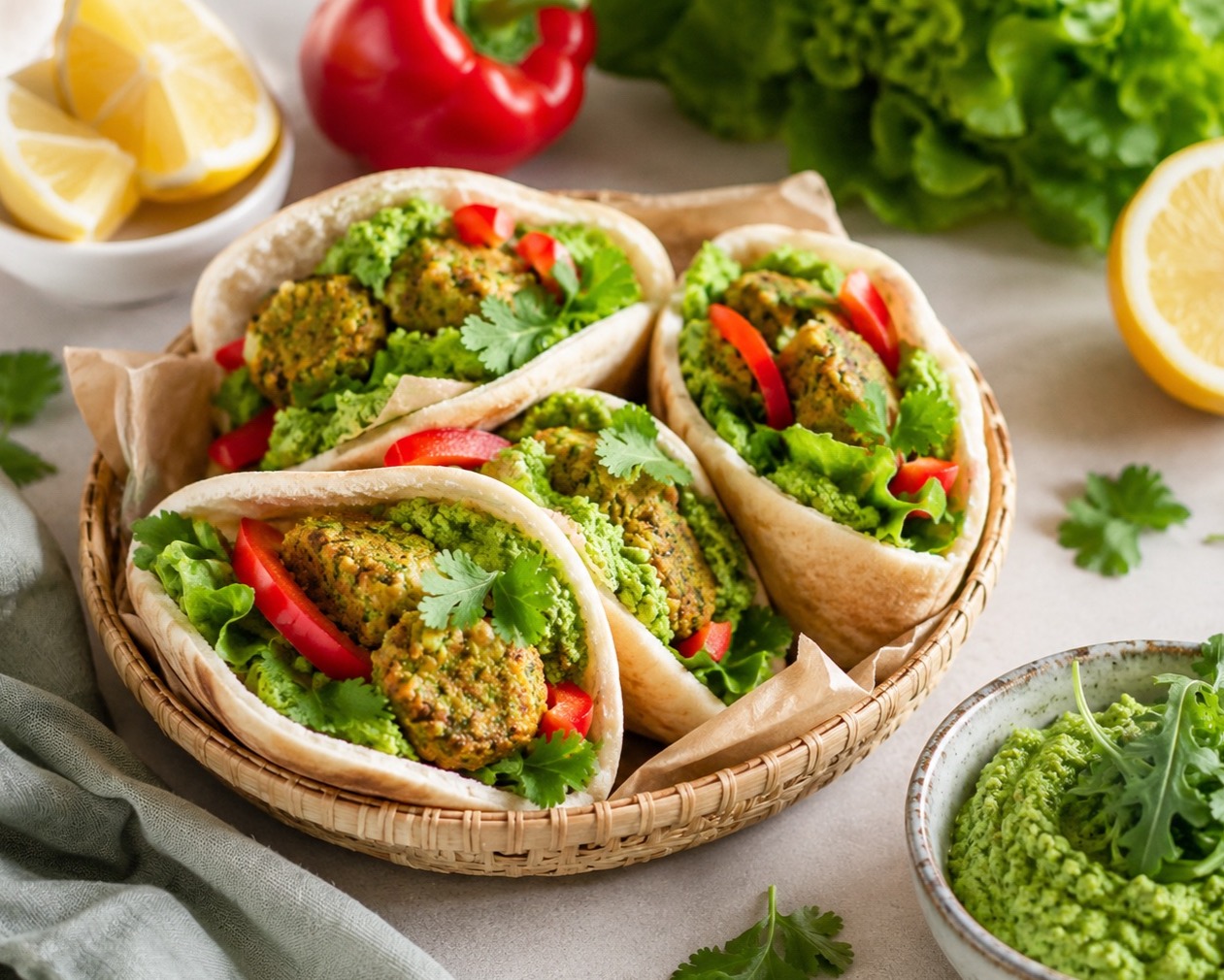
Chickpeas are one of the most well-studied legumes when it comes to cardiovascular health. They contain both protein and fiber, which can contribute to a better blood fat profile.
Why is the recipe good for high cholesterol?
- Chickpeas contribute soluble fiber
- Plant-based alternative to meat
- High feeling of satiety
- Low saturated fat
Recipe for Chickpea balls with green dip in pita bread
5. Oven-baked salmon with broccoli and feta cheese cream
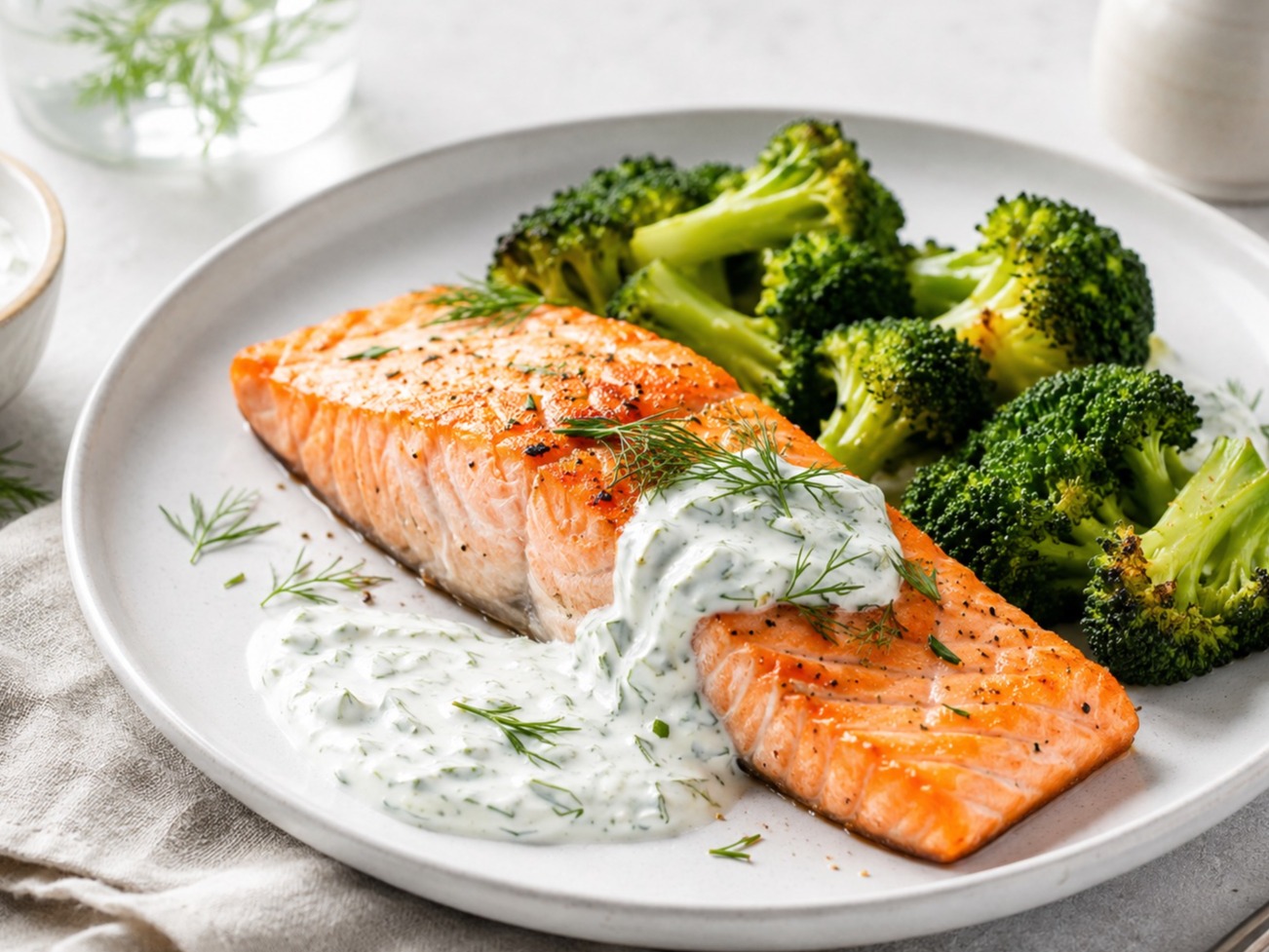
Salmon contains omega-3 fatty acids that are beneficial for cardiovascular health and can contribute to lower triglyceride levels. Broccoli provides fiber, vitamins and minerals that complement the meal in a good way.
Why is the recipe good for high cholesterol?
- Omega-3 from salmon
- Fiber-rich broccoli
- Nutritious source of protein
- Fits well into a heart-healthy diet
Tip: Use less feta cheese or mix it with yogurt or quark if you want to reduce the amount of saturated fat. At the same time, you don't have to avoid feta cheese completely - it's the overall diet over time that affects LDL cholesterol the most.
The recipe for Oven-baked salmon with broccoli and feta cheese cream
6. Overnight oats with oat milk and berries
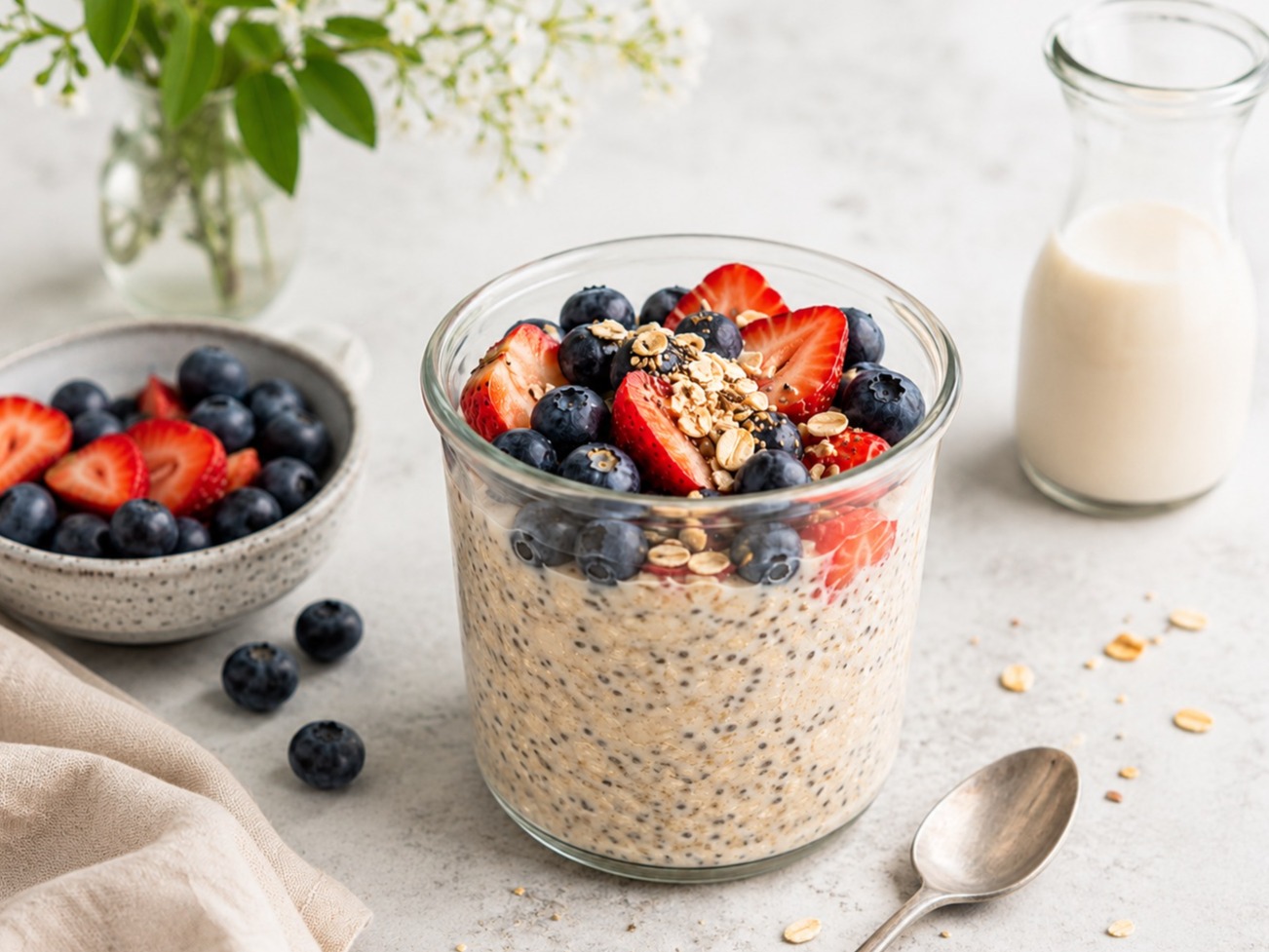
A fiber-rich breakfast is an easy way to work long-term with cholesterol levels. Oats contain beta-glucans that can contribute to lowering LDL cholesterol. The recipe also contains berries that contribute fiber and antioxidants.
Why is the recipe good for high cholesterol?
- Beta-glucans from oats
- Fiber from oats and berries
- Plant-based breakfast
- Low saturated fat
The recipe for Overnight oats with oat milk and berries
Why these recipes work
What makes the biggest difference for LDL cholesterol is rarely a single ingredient but the whole. What the recipes above have in common is that they contain several of the foods recommended in heart-healthy eating patterns: legumes, oats, vegetables, nuts and fish.
When saturated fat from, for example, butter, cream and fatty meat products is gradually replaced with more fiber and unsaturated fats, LDL cholesterol often tends to decrease over time.
Important to remember
A cholesterol-friendly diet is not about completely avoiding individual foods. For most people, it is much more important that the bulk of the diet consists of vegetables, legumes, whole grains, nuts, fish and vegetable fats than trying to eliminate all sources of saturated fat. Small amounts of feta cheese, coconut milk or other foods with a higher percentage of saturated fat can often be included in an otherwise heart-healthy diet.
Want to know if dietary changes are working?
If you want to know how your blood lipids are affected by dietary or lifestyle changes, a blood test can provide a more objective picture than symptoms or perceived effects. This usually measures LDL cholesterol, HDL cholesterol, total cholesterol and triglycerides.