






Iron deficiency is common and can cause symptoms such as fatigue, decreased energy, difficulty concentrating and shortness of breath. In some situations, the body may have access to iron in its stores, but still be unable to use it effectively for blood formation. This condition is called functional iron deficiency.
The transferrin receptor (P-sTfR) blood test provides a picture of the body's iron needs at the cellular level. The analysis reflects how active blood formation is and whether the cells are demanding more iron, regardless of the body's total iron stores.
P-sTfR is therefore a useful blood test when traditional iron markers, such as ferritin and iron, are difficult to interpret – for example, in cases of inflammation, infection or chronic disease. Unlike ferritin, transferrin receptor is affected to a very small extent by inflammatory processes.By analyzing transferrin receptor, you get a more nuanced basis for understanding your iron status and can identify hidden or functional iron deficiency that otherwise risks being overlooked.
Interpretation of test results for P-sTfR
P-sTfR reflects the cells' demand for iron. Elevated levels indicate that the body has an increased need for iron, which is often seen in iron deficiency, functional iron deficiency or increased blood formation.
Elevated P-sTfR - what does it mean?
Elevated levels of transferrin receptor are seen in absolute iron deficiency but also in functional iron deficiency, where iron is stored but is not available for blood formation. This is common in chronic inflammation, infection, kidney disease or other long-term medical conditions.
Sample collection and impact
P-sTfR is analyzed in plasma and is less affected by diurnal variation, diet and inflammation compared to many other iron markers. The sample can be taken at any time of the day and does not need to be taken fasting.
Reference range P-sTfR
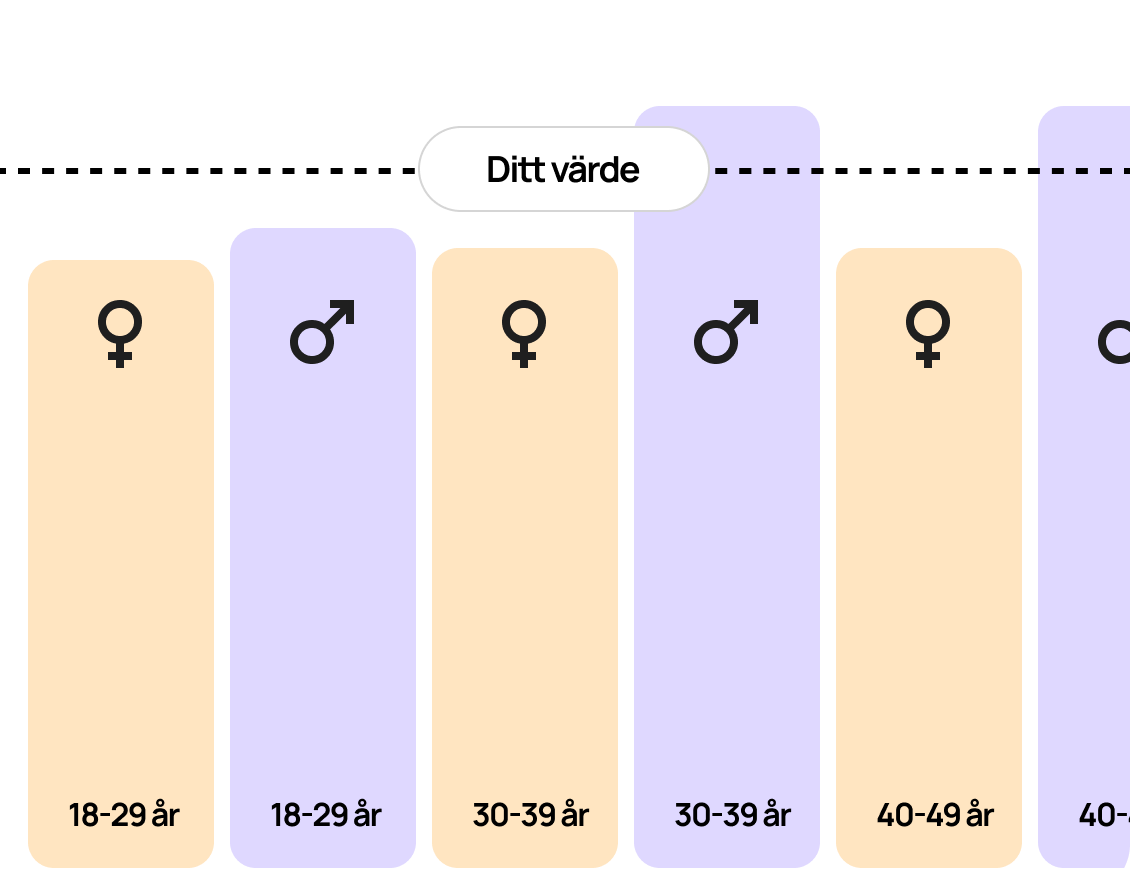
The reference range for transferrin receptor (P-sTfR) is 1.7–4.1 mg/L. Reference ranges may vary slightly between laboratories and should always be interpreted together with other iron tests and the clinical picture.
When should you consider further investigation?
In the case of elevated P-sTfR in combination with symptoms such as fatigue, reduced performance or anemia, further investigation may be appropriate. The sample is often interpreted together with ferritin, Hb, transferrin and sometimes sTfR/log ferritin index for a more complete assessment.