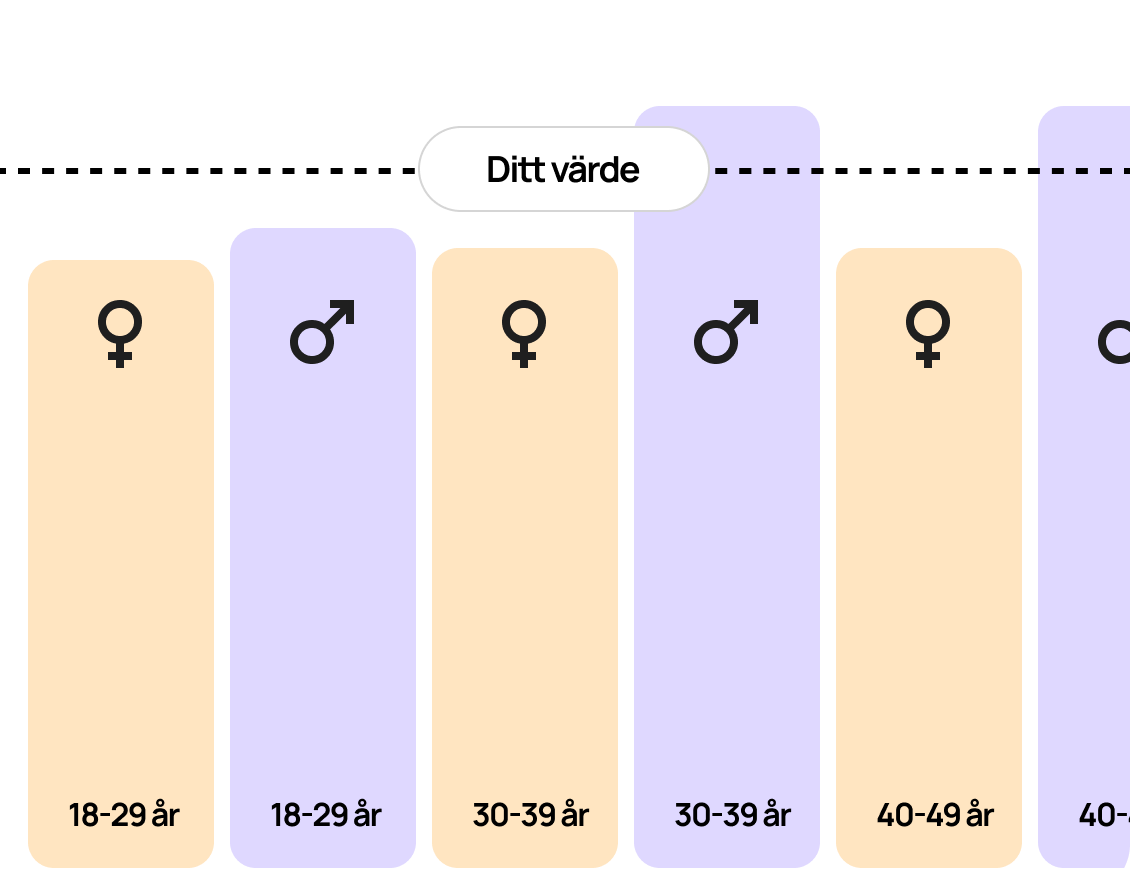







Conjugated bilirubin, also called direct bilirubin, is the water-soluble form of bilirubin that has been converted in the liver. After bilirubin has been conjugated, it can be excreted via the bile into the intestine. The level of conjugated bilirubin in the blood therefore primarily reflects the liver's excretory capacity and the function of the biliary tract, rather than the actual breakdown of red blood cells.
Why is conjugated bilirubin analyzed?
Analysis of conjugated bilirubin is used to assess whether bilirubin can be transported out of the liver normally. The test is particularly valuable when there is suspicion of an impact on the biliary tract or in liver diseases where the excretion of bilirubin is impaired. Together with other liver tests, such as ALP and GT, conjugated bilirubin provides a more targeted picture of whether there are signs of cholestasis or obstruction of bile flow.
When is the test particularly valuable?
Conjugated bilirubin is particularly relevant in the investigation of jaundice where the cause is suspected to be linked to the liver or biliary tract. The test can also provide important information in the event of unexplained elevated liver values or symptoms that indicate impaired bile flow. By analyzing conjugated bilirubin, it is easier to distinguish between different mechanisms behind an elevated bilirubin value.
What does an elevated conjugated bilirubin value mean?
Elevated levels of conjugated bilirubin usually indicate that bilirubin has been conjugated in the liver but cannot be excreted normally via the bile. This can be seen in biliary tract obstruction, for example due to gallstones or inflammation, but also in liver diseases where the transport function of liver cells is affected. Elevated values are always assessed together with other liver tests and clinical symptoms, such as jaundice, dark urine or light stools.
What does a low conjugated bilirubin value mean?
Low levels of conjugated bilirubin are normal and are seen when the liver and bile flow are functioning properly. A low value usually has no clinical significance and rarely requires further investigation.
Analysis of conjugated bilirubin is recommended for those who want a more specific assessment of the liver's excretory function and the status of the biliary tract, especially if cholestasis or other biliary tract disorders are suspected.
Conjugated bilirubin may be relevant for you who:
- Have symptoms such as jaundice, dark urine or light stools.
- Have elevated liver values where biliary tract involvement is suspected.
- Are being investigated for liver disease or biliary tract disease.
- Want to supplement other liver tests for a more targeted assessment.
By analyzing conjugated bilirubin, you gain a deeper understanding of how the liver handles and excretes bilirubin and whether the bile flow is functioning properly.