







What is a Blood Clot?
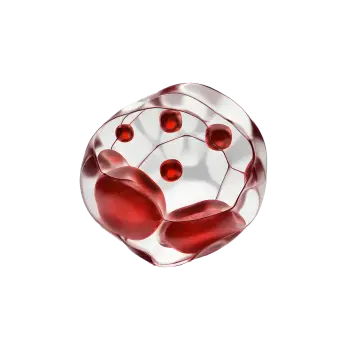
A blood clot (medically often referred to as a thrombosis) occurs when blood coagulates and forms a clump inside a blood vessel, obstructing the blood flow. They commonly form in the deep veins of the legs or in the heart (e.g., due to atrial fibrillation), but they can break loose and travel through the bloodstream to the lungs or the brain. This is known as an embolism and can lead to life-threatening conditions such as a pulmonary embolism or a stroke.
Blood clots can form in both veins and arteries. A clot that forms locally is called a thrombosis. If a part of the clot breaks off and is transported by the blood to another part of the body, it is called an embolism.
Common types of blood clots include:
- Deep Vein Thrombosis (DVT) – a clot in the deep veins, most commonly in the leg.
- Pulmonary Embolism – a clot in the blood vessels of the lungs.
- Stroke – a clot in the blood vessels of the brain.
- Myocardial Infarction (Heart Attack) – a clot in the coronary arteries of the heart.
Smaller clots can sometimes cause subtle symptoms, while larger clots can be life-threatening and require immediate medical attention.
Symptoms of a Blood Clot
Symptoms vary depending on where in the body the clot is located and how much the blood flow is affected. It is important to be aware of the different symptoms that can indicate a blood clot. The most common signs include swelling, pain, tenderness, or redness in the affected area, as well as shortness of breath and chest pain. If you experience any of these symptoms, you should always seek emergency medical help regardless of where the clot is located. Treatment for a blood clot depends on its size and location. Smaller clots can be managed with blood-thinning medications, while larger clots may require more aggressive treatment such as thrombolytic therapy or surgical intervention. Regardless of the required treatment, acting quickly is vital to avoid serious consequences.
Blood Clot in the Leg (Deep Vein Thrombosis)
- Swelling in only one leg.
- Pain or tenderness, often in the calf.
- Redness or increased warmth.
- A tense or hard sensation in the muscle.
Blood Clot in the Lungs (Pulmonary Embolism)
- Sudden shortness of breath.
- Chest pain that worsens with deep breathing.
- Rapid pulse.
- Coughing, sometimes with blood.
- Dizziness or fainting.
Blood Clot in the Brain (Stroke)
- Sudden weakness or paralysis in the face, arm, or leg.
- Speech or language impairment.
- Visual disturbances.
- Sudden, severe headache.
- Difficulty with balance.
Blood Clot in the Heart (Heart Attack)
- Pressure or persistent chest pain.
- Pain radiating toward the arm, back, or jaw.
- Cold sweats.
- Nausea.
- Shortness of breath.
If a pulmonary embolism, stroke, or heart attack is suspected, always seek emergency care immediately.
Risk Factors for Blood Clots
The risk of a blood clot increases when the balance between the blood's ability to coagulate, blood flow, and the function of the blood vessel walls is disrupted. In medicine, this is often referred to as Virchow's Triad – three factors that contribute to thrombosis: increased coagulation, reduced blood flow, and damage to the vessel wall.
- Prolonged Immobilization – Sitting or lying still for long periods, for example after surgery, during illness, or on a long flight, reduces blood flow in the legs. Stagnant blood increases the risk of a clot forming, especially in the deep veins.
- Pregnancy and Hormonal Treatment – During pregnancy, the blood's tendency to clot increases naturally as a protective mechanism for childbirth. Birth control pills and estrogen-based hormone replacement therapy can also increase coagulation, which in some cases raises the risk of blood clots.
- Smoking – Smoking damages the lining of the blood vessels (the endothelium) and affects blood coagulation. This increases the risk for both venous blood clots and arterial clots that can cause heart attacks and strokes.
- Obesity – Obesity is linked to low-grade inflammation, increased pressure in the veins, and changes in the coagulation system. This contributes to an increased risk, particularly for deep vein thrombosis.
- Advanced Age – The risk of blood clots increases with age, partly due to changes in vessel walls and the coagulation system, as well as an increased prevalence of other risk factors.
- Cancer – Certain types of cancer and cancer treatments can activate the coagulation system, making the blood more prone to clotting. A blood clot can sometimes be an early sign of an underlying oncological condition.
- Hereditary Coagulation Disorders – Conditions such as Factor V Leiden or prothrombin mutation mean the blood has an increased tendency to clot. The risk varies depending on whether one or two mutated genes are carried and if other risk factors are present simultaneously.
- Previous Blood Clot – Anyone who has had a blood clot is at an increased risk of suffering another, especially if underlying risk factors remain or if the initial cause was unclear.
How is a Blood Clot Diagnosed?
The investigation depends on the suspected location. A blood test such as D-dimer can be used to rule out a blood clot when clinical suspicion is low. If suspicion is stronger, imaging diagnostics are used, such as ultrasound (for DVT), CT scans of the lungs (for pulmonary embolism), or emergency brain imaging for stroke.
Treatment for Blood Clots
Treatment aims to prevent the clot from growing and to stop new clots from forming. Common treatment involves blood-thinning medications (anticoagulants), such as DOACs or heparin.
For larger or life-threatening clots, thrombolysis (clot-dissolving treatment) or, in some cases, surgical intervention may be necessary.
Frequently Asked Questions About Blood Clots
How quickly does a blood clot develop?
It varies. Some clots develop gradually over several days, while others – such as those causing a stroke or heart attack – can present symptoms suddenly.
Can you have a blood clot without noticing it?
Yes, smaller clots can sometimes cause vague or mild symptoms. However, larger clots usually cause clear and acute distress.
How long is a blood clot treated?
Treatment duration varies depending on the cause and risk profile, but it is often at least 3–6 months. Some individuals require long-term treatment.
When should I seek emergency care?
Seek immediate medical attention for sudden shortness of breath, chest pain, one-sided paralysis, speech impairment, or loss of consciousness. These symptoms may be signs of a serious blood clot.