Quick version
Fibroids are common and almost always benign, but can cause heavy menstrual bleeding, anemia, pain and sometimes affect fertility. Here you will find out what symptoms you should pay attention to, when fibroids need to be investigated and what treatment options are available.
Many people only discover that they have fibroids when their periods become unusually heavy, their stomach feels swollen or it becomes more difficult to get pregnant. A common question is therefore: Are fibroids dangerous? In the vast majority of cases, the answer is no. Myomas are benign tumors in the uterus and almost never develop into cancer. However, they can cause problems that affect both health and quality of life, such as heavy menstrual bleeding, anemia, pain and a feeling of pressure in the pelvis. Therefore, fibroids should not be seen as life-threatening, but they should not be ignored if they cause symptoms. Whether treatment is needed is determined based on the size and location of the fibroids, what problems they cause and whether there is a desire for pregnancy.
What are fibroids and why do they occur?
Fibroid are nodules that grow in the muscle wall of the uterus. The medical name is leiomyoma, but in everyday language it is usually called myoma. They are made up of muscle and connective tissue and are benign tumors, which means they are not cancer. Fibroids are very common during childbearing years, and many people have them without knowing it because they often do not cause any symptoms.
Exactly why fibroids occur is not fully understood, but several factors seem to play a role:
Hormones, especially estrogen and progesterone, affect growth
Heredity can increase the risk
Age during the childbearing period plays a role, as fibroids usually grow when hormone levels are higher
Individual sensitivity of the uterine muscle cells also seems to be important
Fibroids can be located in different places in the uterus. This plays a big role in which symptoms you experience. A small fibroid that bulges into the uterine cavity can cause a lot of bleeding, while a larger fibroid on the outside of the uterus can instead put pressure on the bladder or bowel.
For many, fibroids shrink after menopause, when the body's estrogen levels drop. Therefore, people sometimes choose to just monitor the development if the symptoms are mild.
Are fibroids dangerous or just troublesome?
It is a common and important question. In most cases, the answer is: fibroids are not dangerous in the sense of cancer or acute illness. They are almost always benign, and most fibroids do not develop into cancer.
However, fibroids can still be medically significant. They can become “dangerous” in a more practical and health-related way if they lead to complications such as:
heavy menstrual bleeding
iron deficiency anemia, i.e. anemia due to prolonged bleeding
pain or pressure in the pelvis
frequent urge to urinate if the bladder is compressed
constipation or pressure on the intestine
impact on fertility or pregnancy, especially depending on the location of the myoma
For one person, fibroids can cause so much bleeding that they become tired, short of breath and have palpitations due to low blood pressure. For another, the problem may mainly be that pregnancy is made more difficult. For a third, the fibroid is not noticeable at all. Therefore, it is not possible to assess risk solely based on the fact that “you have fibroids” – you have to look at symptoms, size, location and life situation. This is also the basis for how healthcare professionals assess whether treatment is needed.
It is also important to say that rapid growth in itself does not automatically mean cancer. However, doctors may need to investigate further if the picture is unclear, especially after menopause or if symptoms change unexpectedly.
Common symptoms of fibroids that you should not ignore
Many people with fibroids have no symptoms at all. When problems arise, it is often bleeding or pressure symptoms. Common signs are:
heavy periods
long periods
bleeding between periods
menstrual cramps or pelvic pain
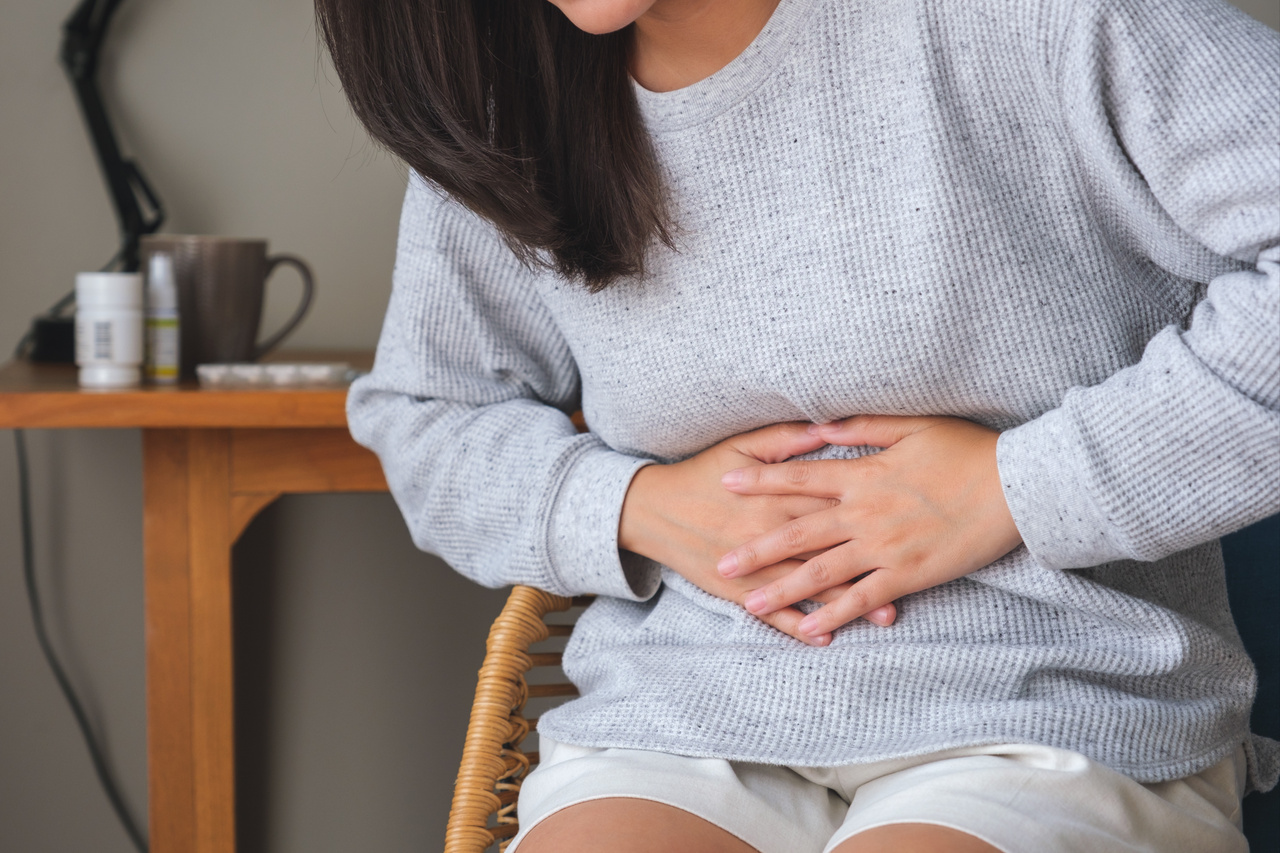
pressure in the lower abdomen
swollen abdomen
frequent urges to urinate
difficulty emptying the bladder
constipation
pain during intercourse
difficulty getting pregnant or repeated miscarriages in some cases
Many do not seek care until they realize that their heavy periods are not normal. If you need to change your menstrual pad very often, bleed through at night, have large blood clots or feel unusually tired after your period, these may be signs that the bleeding is so extensive that it affects the body's iron stores and blood count. Heavy and prolonged menstrual bleeding should therefore be investigated, especially if fibroids may be an underlying cause.
Sometimes a fibroid can cause sudden pain. This can happen if a fibroid grows faster than its blood supply and begins to break down. This is rarer, but is described in medical patient information.
When should fibroids be investigated and treated?
Not all fibroids need treatment. If they are small, cause few or no symptoms and do not affect quality of life, follow-up may be sufficient. This is well in line with current recommendations from several established medical sources.
However, you should seek medical attention for an assessment if you have:
very heavy or prolonged bleeding
symptoms of anemia, such as fatigue, dizziness, or shortness of breath
persistent pelvic pain or a clear feeling of pressure
rapidly increasing abdominal circumference
urinary or bowel problems
difficulty getting pregnant
bleeding after menopause
The investigation often begins with a discussion about symptoms and menstrual patterns, a gynecological examination, and an ultrasound. In some cases, additional imaging or sampling is needed to rule out other causes of bleeding or lumps in the pelvis.
Treatment is selected individually. Possible alternatives may be:
no treatment, but follow-up
drugs that reduce bleeding or affect hormone stimulation
surgery that removes the myoma but preserves the uterus, so-called myomectomy
embolization, where the blood flow to the myoma is reduced so that it shrinks
hysterectomy, i.e. the uterus is surgically removed, which is the only definitive treatment if you want to completely eliminate the risk of new fibroids
Which treatment is best depends on, among other things:
how much trouble you have
whether you want to be able to get pregnant in the future
the number, size and location of the fibroids
your age and whether you approaching menopause
Myoma, anemia and pregnancy – questions many people ask
Myoma can cause heavy menstrual bleeding, which in turn can lead to iron deficiency and anemia (anemia). Common symptoms are fatigue, decreased energy, headache, palpitations and shortness of breath. In case of heavy or prolonged bleeding, it is therefore important to check blood counts and iron status.
Myoma can also affect fertility, especially if they are close to or bulge into the uterine cavity. However, many people become pregnant without problems, and the impact varies depending on the size and location of the myoma. During pregnancy, it usually goes well, but larger myoma can sometimes require more frequent follow-up.
It is not possible to determine how serious a myoma is based on symptoms alone. Even small myoma can cause major discomfort, while larger myoma may cause few or no symptoms. In case of heavy bleeding, pain or fertility problems, it is therefore important to seek medical advice.
Heavy menstrual bleeding and iron deficiency can affect both health, energy and work capacity. Detecting anemia in time can therefore be an important part of preventive health work.
When should you test your values?
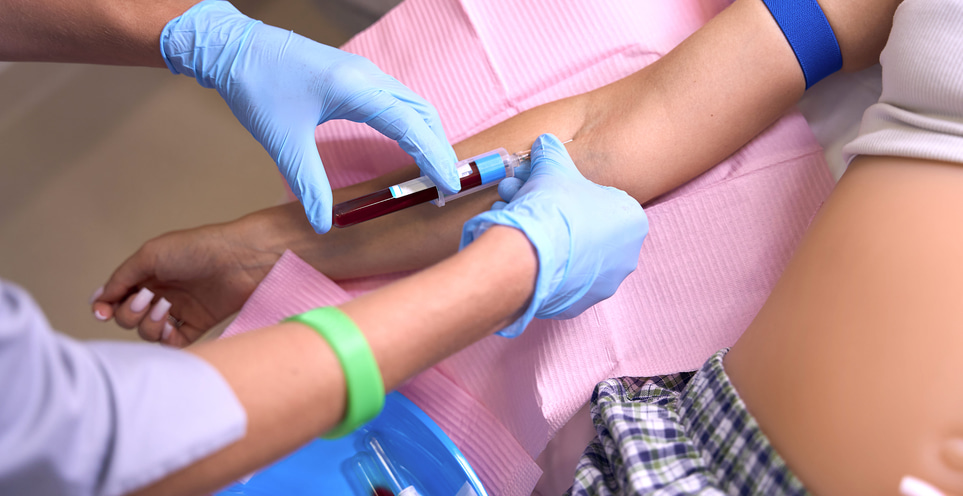
Myoma itself is not diagnosed with a regular blood test, but blood tests can provide important information about how the body is affected. This is especially true if you have heavy menstruation or feel tired. Then it may be relevant to check, for example:
blodvärde (Hb) to detect anemia
iron status/ferritin to assess iron deficiency
sometimes also other tests depending on symptoms and overall picture
This does not replace a gynecological examination, but can be a valuable first step in understanding whether your bleeding has already affected your health. If you have heavy periods, suspected anemia or diffuse symptoms such as fatigue and dizziness, testing can help you seek care with better information and get the right help faster.