Quick version
Menopause can contribute to increased anxiety in some women, particularly during perimenopause, when estrogen and progesterone levels fluctuate the most. Hormonal changes, sleep disruption caused by hot flashes and night sweats, and the demands of midlife can all affect the brain's stress response and emotional regulation. Anxiety during menopause can manifest as both psychological and physical symptoms.
Common symptoms include:
Excessive worry and catastrophic thinking
Inner restlessness
Heart palpitations
Sleep disturbances
Irritability
Dizziness and sweating
Difficulty concentrating
Feeling unlike yourself or not recognizing yourself
If you experience these symptoms, it is important to seek medical advice. A healthcare professional can help determine the underlying cause of your symptoms and recommend appropriate treatment options to help you feel better.
Hormonal changes, lack of sleep, hot flashes and the overall stress of life are factors that can all together affect the brain's stress and emotion regulation. At the same time, it is important to remember that anxiety can also have other causes and sometimes need to be investigated separately.
Can menopause cause anxiety?
Yes, there is a clear connection between menopause and anxiety symptoms. During perimenopause – the years leading up to menopause – the levels of, in particular, estrogen and progesterone vary more than before. These hormones affect, among other things, neurotransmitters in the brain that are important for mood, stress sensitivity and sleep. Therefore, some people may experience more anxiety, inner restlessness, tension, palpitations or even feelings of panic during this period.
However, the relationship between hormonal fluctuations and anxiety is complex. Not everyone experiences anxiety during menopause, and not all psychological symptoms at this age are due to hormones. Sleep disruption, night sweats and life stressors can contribute to symptoms in some, and for others, menopause can become a trigger on top of a previous vulnerability to anxiety or depression.
It is also important to distinguish between different phases:
Perimenopause: the time when the menstrual cycle begins to change and hormone levels fluctuate.
Menopause: the time when you have not had a period for 12 consecutive months.
Postmenopause: the time after menopause.
For many, the symptoms are most noticeable during perimenopause, when hormone fluctuations are often at their greatest. Some women find that their symptoms improve when hormone levels become more stable after menopause, but this does not apply to everyone.

Why can anxiety increase during menopause?
Several factors may contribute to increased anxiety during menopause:
1. Hormonal fluctuations affect the brain
Oestrogen and progesterone interact with the brain's systems that regulate stress, sleep and emotions. When levels vary, some people may become more sensitive to anxiety, irritability and physical stress reactions. This does not mean that the symptoms are "in their heads" - on the contrary, they are often rooted in genuine biological changes.
2. Sleep disturbance increases anxiety
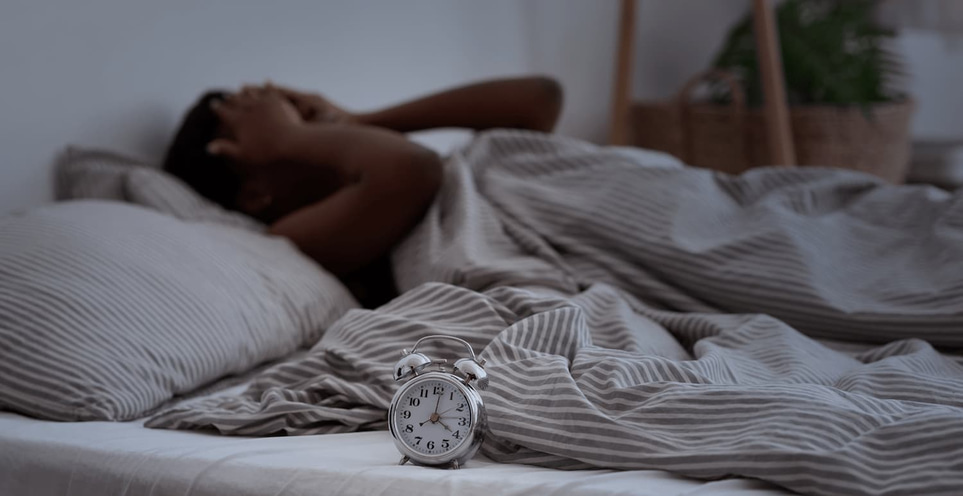
Menopause itself often causes poorer sleep, especially if hot flashes and night sweats wake you up several times a night. When sleep becomes fragmented or disrupted, the brain's stress response increases, patience decreases and anxiety can feel stronger. Many people notice that they feel significantly worse mentally after several bad nights in a row.
3. Physical symptoms can be misinterpreted as danger
Symptoms such as hot flashes, palpitations, chest pressure, trembling and dizziness can all be experienced as frightening. If your body suddenly feels highly activated, it is easy to interpret it as something is seriously wrong, which in itself can trigger anxiety or panic feelings. The Menopause Society also describes that hot flashes can be accompanied by feelings of anxiety.
4. The life phase itself can be stressful
Menopause often occurs in the middle of a stage where many people are simultaneously dealing with work, teenage children, aging parents, relationship changes or their own ill health. The psychological burden can therefore be high even without pronounced hormonal problems.
What does anxiety feel like during menopause?
Anxiety during menopause does not look the same for everyone. Some describe mostly a constant "on"; others have clear panic episodes. Symptoms can be both psychological and physical. Common descriptions are:
Persistent worry or catastrophic thinking
Inner restlessness
Heart palpitations
Chest tightness
Trembling or muscle tension
Sweating
Dizziness
Sleep disturbances
Irritability
Difficulty concentrating
Feeling unlike yourself
What can help if menopause causes anxiety?
Treatment is tailored to your symptoms, often a combination of the following works best rather than just one:
Lifestyle changes: Regular physical activity, good sleep habits, stress management techniques such as mindfulness, and reducing caffeine and alcohol intake.
Cognitive behavioural therapy (CBT): Highly recommended for managing both anxiety, depression and sleep problems.
Hormone replacement therapy (HRT/MHT): Hormone replacement therapy (HRT) is one of the most effective treatments for menopausal symptoms such as hot flashes and night sweats, which in turn can relieve anxiety indirectly through better sleep. However, the direct effect on anxiety varies, so treatment must be individualized.
Other medical treatment: In cases of severe or long-term anxiety, doctors may determine that specific medications for anxiety or depression are needed.
If hormone therapy helps with your physical symptoms, anxiety often decreases as well. If anxiety is the biggest problem, CBT or other targeted treatment is often needed in combination with lifestyle choices.
When should you seek medical advice - and are there blood tests that can be taken?
You should seek care if:
anxiety clearly affects work, relationships or sleep
you have panic attacks or strong heart palpitations
you feel depressed for a long time
you avoid activities due to anxiety
you experience new or unclear physical symptoms
you have suicidal thoughts or feel like you can't take it anymore.
When it comes to testing, it is important to know that menopause in people over 45 is usually diagnosed based on symptoms and menstrual patterns, not with routine hormone tests, although these can be helpful for symptoms of hormonal imbalance that occur during this time in life.
In addition to hormone tests, other blood tests can sometimes be valuable in ruling out other causes of symptoms that resemble anxiety or menopausal symptoms, such as:
blood sugar abnormalities or other metabolic values.
It may be particularly relevant if you have pronounced fatigue, palpitations, dizziness, feeling cold, weight fluctuations or if the symptoms do not quite fit into a typical menopausal pattern. This is often an important part of a safe overall assessment.
Blood tests alone cannot determine whether you are in menopause, but it can help provide a better overall picture of your health and rule out other treatable causes. For many, it is a safe way to move from concern to concrete next steps.