Quick version
Omega-3 is a group of fatty acids where ALA is mainly found in plants, while EPA and DHA are mainly found in fatty fish, shellfish and algal oil. The body can convert ALA to EPA and DHA, but in limited quantities, making marine sources more effective at increasing levels of the long-chain forms.
Fatty fish such as herring, mackerel, salmon and sardines are therefore the best sources of EPA and DHA, while flaxseed, chia seeds, walnuts and rapeseed oil are rich in ALA. For people who do not eat fish, algal oil can be an alternative for DHA.
For most people, a varied diet with regular intake of fish is sufficient to cover the need for EPA and DHA, and supplements are rarely needed. The choice of source therefore depends on dietary patterns rather than on the need to calculate exact amounts each day.
Omega-3 is often highlighted as important for the heart, brain and an anti-inflammatory diet. But in the grocery store, the question becomes more practical: which foods contain the most omega-3, and does it matter whether the fatty acids come from fish, seeds or supplements? The answer is yes – the source actually matters.
Which foods contain the most omega-3 – and what different forms of omega-3 are there?
Omega-3 is a group of polyunsaturated fatty acids. The three forms most relevant to health are ALA, EPA, and DHA. ALA is mainly found in the plant kingdom, while EPA and DHA are mainly found in fish, shellfish, and algal oil. The body can convert ALA into EPA and DHA, but the conversion rate is low, which means that marine sources are often more effective if the goal is to increase levels of long-chain omega-3 fatty acids.
DHA is an important building block in, among other things, the brain, retina, and sperm. EPA and DHA are also important for the cardiovascular system and cell membranes. ALA is an essential fatty acid, which means that we must obtain it from food because the body cannot produce it on its own.
What forms of omega-3 are there?
Omega-3 is really about the difference between plant-based and marine omega-3. Here's the gist:
ALA (alpha-linolenic acid) is found in, for example, flaxseed, chia seeds, walnuts and rapeseed oil.
EPA (eicosapentaenoic acid) is found mainly in fatty fish, shellfish and certain dietary supplements.
DHA (docosahexaenoic acid) is also found mainly in fatty fish, shellfish and algae oil.
For those who eat a mixed diet, EPA and DHA are usually the most interesting from a medical point of view. This is because they are already in a form that the body can use directly. People who follow a vegetarian or vegan diet often get ALA, but not always enough DHA and EPA without careful planning.
A good way to understand the difference is that walnuts and chia seeds can contribute a significant amount of total omega-3, but mainly in the form of ALA. Fatty fish such as salmon, herring, mackerel, and sardines, on the other hand, contain the long-chain fatty acids EPA and DHA directly. Therefore, the answer to the question “Which food contains the most omega-3?” depends on what you actually mean – total omega-3 or the forms the body uses most efficiently.
Which food contains the most omega-3?
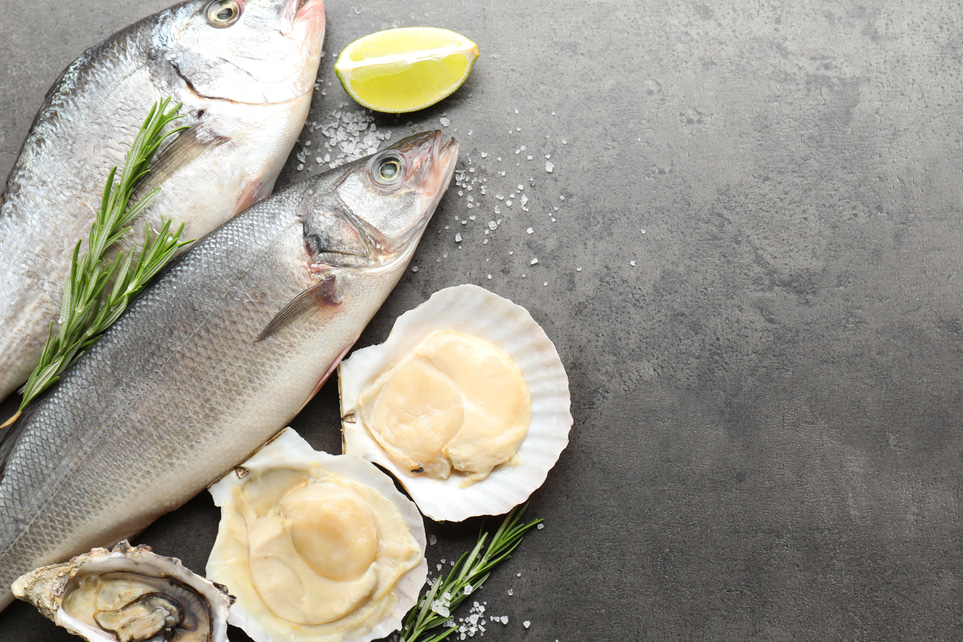
When looking at EPA and DHA, fatty fish are at the top. Examples include herring, mackerel, sardines, salmon, and other fatty fish. Shellfish also contain omega-3, but usually in lower amounts than fatty fish. Fatty fish, in particular, are a good source of the long-chain omega-3 fatty acids DHA and EPA.
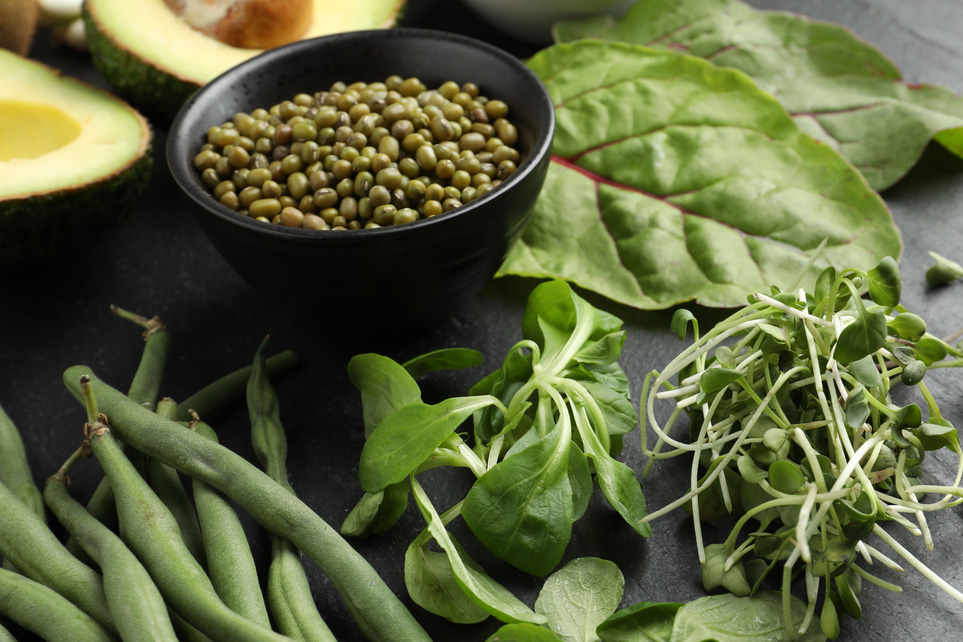
If we look at ALA instead, seeds and certain vegetable oils are very rich sources. Flaxseed and flaxseed oil, chia seeds, walnuts, and rapeseed oil are among the best examples. They are particularly relevant for people who do not eat fish.
For the most EPA and DHA: choose fatty fish such as herring, mackerel, sardines and salmon.
For the most ALA: choose flaxseed, chia seeds, walnuts and rapeseed oil.
For a vegetarian alternative to DHA: algae oil is the most obvious source.
For many, it is easier to think in terms of meals than in terms of fatty acids. A lunch of pickled herring, a dinner of baked salmon or a sandwich with mackerel directly provides marine omega-3. A breakfast of yogurt, chia seeds and walnuts, on the other hand, provides mainly ALA.
How much omega-3 do you need to consume?
Nordic and European recommendations are based on both total fat quality and specific omega-3 fatty acids. Alpha-linolenic acid (ALA) is recommended at a daily intake corresponding to approximately 0.5 percent of energy intake in adults. For the long-chain omega-3 fatty acids EPA and DHA, around 250 mg per day is considered sufficient for adults. During pregnancy and breastfeeding, the need for DHA increases, which means that additional intake is recommended during these periods.
In practice, most people do not need to count milligrams of omega-3 every day. Instead, the recommendations are usually expressed as general dietary habits: eating fish regularly during the week, preferably several times, and including fatty fish occasionally.
For people who eat a varied, mixed diet, this is often sufficient. With a diet that includes fish regularly, it is generally uncommon for the intake of the long-chain omega-3 fatty acids EPA and DHA to be too low.
Who is at risk of getting too little?
A deficiency in omega-3 rarely causes clear, specific symptoms that directly reveal the cause. Instead, the issue is more often related to long-term low intake. People who do not eat fish, such as vegetarians, vegans, or those who simply dislike fish, can have low levels of DHA and EPA in particular if they do not plan their diet carefully.
Pregnant women are a particularly important group. DHA is needed for fetal development, including the brain and vision. The Swedish Food Agency states that fish is an important source of DHA during pregnancy, and for pregnant women who do not eat fish, supplements with fish oil or algae oil containing DHA can be an alternative.
Fish, dietary supplements and safety – what is best?
For most people, food is the first choice. Fish not only provides omega-3, but also protein, vitamin D, iodine, and other nutrients. Omega-3 supplements are generally not recommended for people who already eat a regular mixed diet that includes fish.
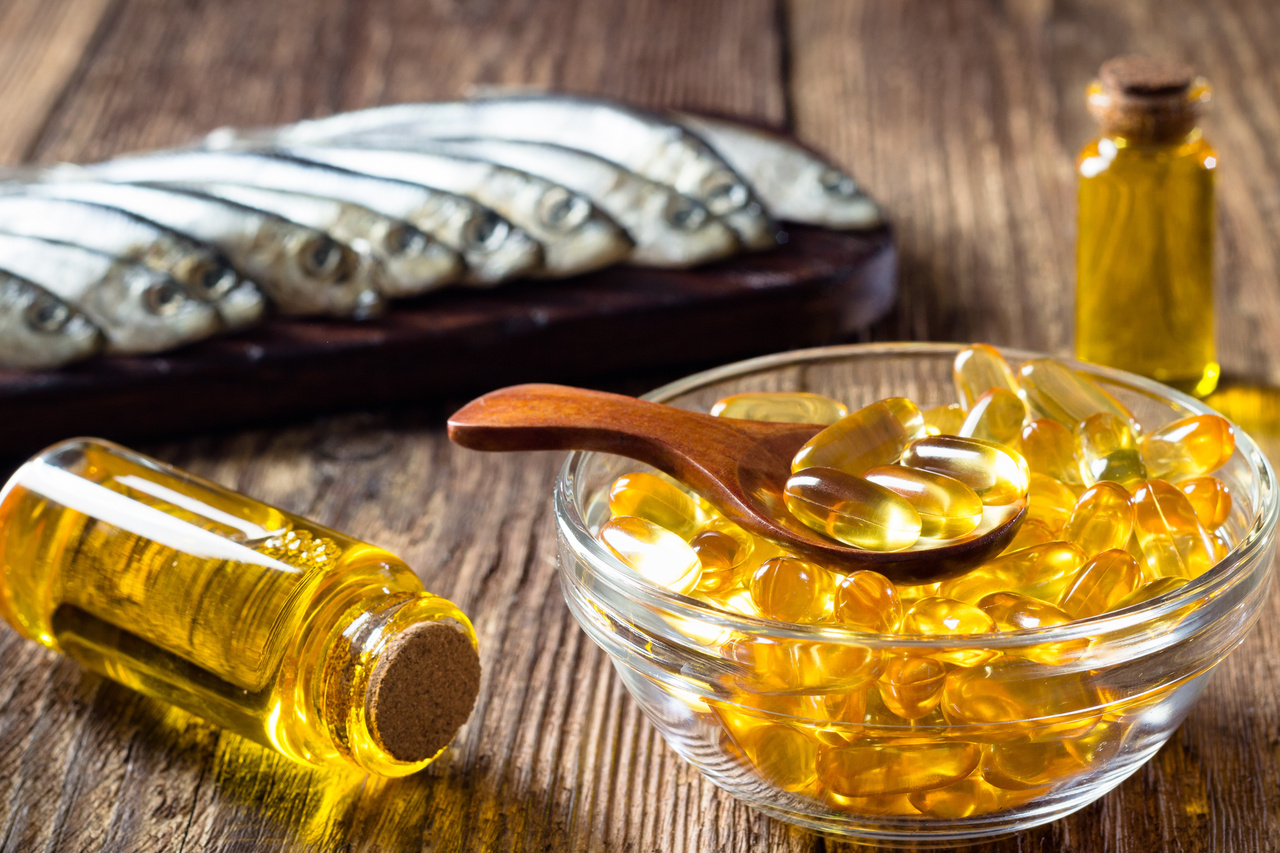
There are still situations where supplements may be reasonable, for example if you do not eat fish at all or during pregnancy when fish intake is low. For vegetarians and vegans, algal oil is particularly interesting because it can provide DHA without fish. Pregnant women who do not eat fish may be advised to start with DHA supplements, and up to 1,000 mg of DHA per day is considered safe.
At the same time, the advice needs to be nuanced. Fish is healthy, but some species may contain elevated levels of mercury or other environmental toxins. Pregnant and breastfeeding women, as well as those planning pregnancy, should therefore be careful with certain large predatory fish, such as fresh tuna, swordfish, halibut, and pike, and follow Swedish dietary recommendations.
The most sustainable strategy for most people is therefore not to seek a single “superfood,” but to choose the right type of omega-3 source based on their diet. If you eat fish regularly, fatty fish is usually the most effective way to obtain EPA and DHA. If you eat a plant-based diet, you often need to pay more attention to ALA and possibly DHA from algal oil.
When the diet changes, it is rarely noticeable in the body immediately, but blood lipids and other markers can be affected over time. This is precisely why measurement can be more valuable than guessing, especially if you want to understand how your dietary habits are actually reflected in your health.