Quick version
Zinc is a vital mineral that is needed for, among other things, the immune system, wound healing, and the sense of taste and smell. Deficiency is uncommon in healthy people who eat a varied diet, but the risk increases with a one-sided diet, old age, or gastrointestinal diseases that impair absorption. Signs of deficiency are nonspecific and include, for example, hair loss, skin rashes, and slow wound healing.
The body absorbs zinc most easily from animal sources such as shellfish, meat, and dairy. In plant-based diets, the substance phytate inhibits absorption, which can be counteracted by soaking or fermenting sourdough. Zinc needs should primarily be met through food, since excessive intake of dietary supplements can lead to copper deficiency and other health problems.
Signs of zinc deficiency can sneak up on you. Maybe wounds heal more slowly than usual, food tastes worse, or your hair feels thinner without a clear explanation. Such problems often have several possible causes, but sometimes diet and the body's zinc balance are part of the answer.
What is zinc and why is it needed?
Zinc is a trace element, i.e. a mineral that the body needs in small amounts but uses in many important processes. It is needed for, among other things, the immune system, wound healing, skin function, protein synthesis, cell division, and the sense of smell and taste. The body does not have a large store of zinc, so we depend on regular intake through food to replenish it.
What symptoms may indicate zinc deficiency?
Many people seek care for fatigue, brittle nails or skin problems and wonder if they are deficient in something. Zinc deficiency symptoms are rarely unique, but certain patterns raise suspicion. A typical example is people who both have dry or irritated skin areas and notice that small wounds linger longer than expected.
Impaired taste and smell is another classic finding. If coffee, citrus, or hot food suddenly tastes less than usual, without an ongoing cold, zinc status may be a piece of the puzzle. Loss of appetite, diarrhea and involuntary weight loss may also occur, especially if the deficiency is part of malnutrition or malabsorption. Symptoms that are sometimes seen in more pronounced or long-term deficiency are: Slow wound healing Recurrent infections Hair loss Skin rash or irritated skin Loss of taste and smell Loss of appetite Diarrhea Fatigue or lack of energy The same symptoms can also be caused by, for example, iron deficiency, B12 deficiency, thyroid disease, inflammatory bowel disease or general malnutrition. Therefore, the symptoms alone are not enough to make a diagnosis.
Why do you get zinc deficiency?
If you are healthy and eat a varied diet, it is unusual to get a serious zinc deficiency. The risk only increases if you get too little zinc through food, if your body has difficulty absorbing it, or if you lose more zinc than usual. For example, it is common for zinc levels to be affected by stomach and intestinal diseases such as celiac disease or Crohn's disease, as well as if you have had surgery to remove parts of the intestine or have had weight loss surgery. Other factors that increase the risk are long-term kidney or liver disease, diabetes and high alcohol consumption. Certain medications, such as diuretics, can also cause the body to lose more zinc. In addition, older people are a risk group, especially if they have a poor appetite or eat a one-sided diet.
Diet still plays a big role. Zinc from animal foods is generally absorbed better than zinc from plant-based sources. An important explanation is phytate, a substance found naturally in whole grains, legumes and seeds and which can bind zinc in the intestine so that absorption is reduced. Therefore, people who eat a lot of plant-based foods may need to be extra careful with both quantity and variety.
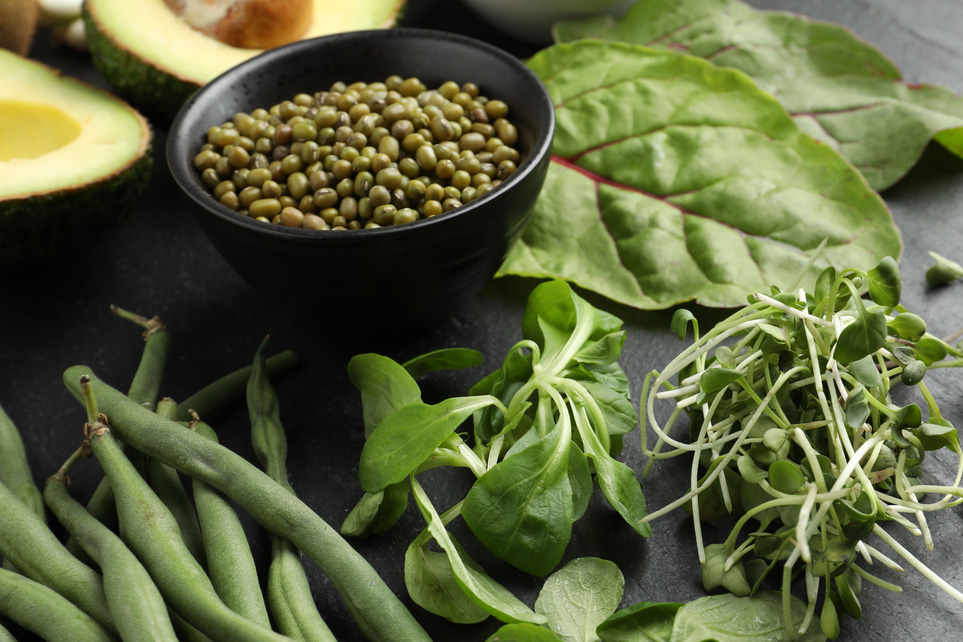
This does not mean that a vegetarian or vegan diet automatically leads to a deficiency. However, it needs to be planned better. Soaking, sprouting, fermenting and sourdough fermentation can reduce the amount of phytate and thus improve the absorption of zinc from plant foods.
What should you eat if you have signs of zinc deficiency?
When it comes to what to eat if you have a zinc deficiency, the most important thing is to choose foods that not only contain a lot of zinc, but where the zinc also has a high so-called bioavailability – this means that the body can easily absorb it. The absolute richest food in zinc you can eat is shellfish, and especially oysters. Other good sources are meat, poultry, eggs and dairy products. If you eat vegetarian, legumes, nuts, seeds and whole grains are the best options to focus on.
Examples of foods that can help you increase your intake are:
oysters and other shellfish
beef and other meats
chicken
milk, yogurt and cheese
eggs
beans, lentils and chickpeas
pumpkin seeds, sesame seeds and nuts
whole grains
Omnivores can easily increase their zinc intake by regularly including zinc-rich protein sources in their main meals. In a vegetarian diet, the best results are achieved if several different sources of zinc are combined throughout the day, for example by mixing legumes, dairy products or eggs with seeds and whole grains. A completely vegan diet requires extra planning, as the body generally has a harder time absorbing zinc from plant foods alone.
If your diet often consists of, for example, oatmeal, whole grain bread and beans, but rarely contains protein-rich main courses, you can gain a lot from small adjustments. Choosing yogurt with pumpkin seeds, a lentil salad with eggs or dishes based on properly soaked beans are more thoughtful choices than just eating healthily in general. Ultimately, it's about the quality of the regular foods in your everyday life, rather than a few "superfoods".
Do you need zinc supplements or is food enough?
For most people, food is the first choice. Official recommendations also assume that nutritional needs should preferably be covered through diet. Recommended intake for adults is approximately 8 mg per day for women and 11 mg per day for men according to American reference values, while European reference values vary more depending on, among other things, phytate in the diet and are in wide ranges for adults.
Supplements may be relevant if you have a confirmed deficiency, a high risk of deficiency or a disease that impairs absorption. In this case, the dose should be adjusted to the cause and the overall picture. High-dose treatment on its own is less wise, since prolonged excessive zinc can inhibit the absorption of copper and ultimately lead to copper deficiency, anemia and neurological symptoms.
Zinc can also affect certain medications. This applies to certain antibiotics and penicillamine, where simultaneous use can impair absorption or effect. In addition, zinc products in the nose should be avoided, as they have been linked to long-term or permanent impairment of the sense of smell.
When should you get tested?
If you have symptoms consistent with zinc deficiency and at the same time belong to a risk group, it is reasonable to investigate the matter instead of guessing. This applies, for example, to long-term gastrointestinal problems, involuntary weight loss, a one-sided diet, high alcohol consumption, inflammatory bowel disease, previous bariatric surgery or recurrent infections. In children, pregnant women and the elderly, the threshold for assessment is often lower because the consequences of deficiency can be greater.
At the same time, it is good to know that zinc in the blood does not always perfectly reflect the body's total zinc status. Serum or plasma zinc can be affected by time of day, inflammation and other factors. Therefore, test results are often weighed together with symptoms, dietary habits, medical history and sometimes other laboratory tests.
Once the cause is found, the action often becomes more accurate. Sometimes it's about adjusting your diet, sometimes it's about treating an underlying intestinal disease, and sometimes it's about reviewing how several nutrients interact. That's why sampling is often more valuable than trying several different supplements at random.