Quick version
Potassium is important for muscle function and a deficiency can contribute to muscle cramps, but cramps are far from always due to low potassium levels. Potassium-rich foods such as potatoes, legumes, leafy greens, yogurt, avocados and bananas can be a good support, especially when you lose fluids after a stomach ache, heat or hard exercise. However, recurring cramps can also be due to muscle fatigue, dehydration, magnesium deficiency, medications or other medical conditions. If the cramps are frequent or are combined with symptoms such as muscle weakness, palpitations or unusual fatigue, it may be wise to check your values.
Potassium-rich foods often come up as advice when your calves lock up in the middle of the night or when your foot cramps after a workout. That advice may be right in some situations, but not always for the reason you first think of. Cramps are a symptom with several possible explanations, which is why it is wise to understand when potassium-rich foods help, when other factors play a greater role and when it is time to check your values.
Potassium-rich foods – here are the foods you should eat if you often get cramps
Why potassium affects muscles
Potassium is an electrolyte, i.e. a mineral that carries an electrical charge in the body. It is needed for nerve signals to reach the muscles and for muscle fibers to be able to contract and relax properly. Potassium is also crucial for normal heart and kidney function.
If the potassium level in the blood becomes too low, known as hypokalemia, you can get muscle cramps, muscle weakness, fatigue, constipation and sometimes palpitations. The symptoms tend to become more pronounced the more pronounced the deficiency, but even mild decreases can be noticed in people who are simultaneously losing fluid or using certain medications.
At the same time, not all cramps are a sign of potassium deficiency. Muscle cramps can also be caused by overexertion, prolonged static load, heat, lack of fluid, nerve damage or other mineral disorders. Therefore, potassium-rich foods are part of the solution, but not the whole answer.
Potassium-rich foods you can add to your everyday life
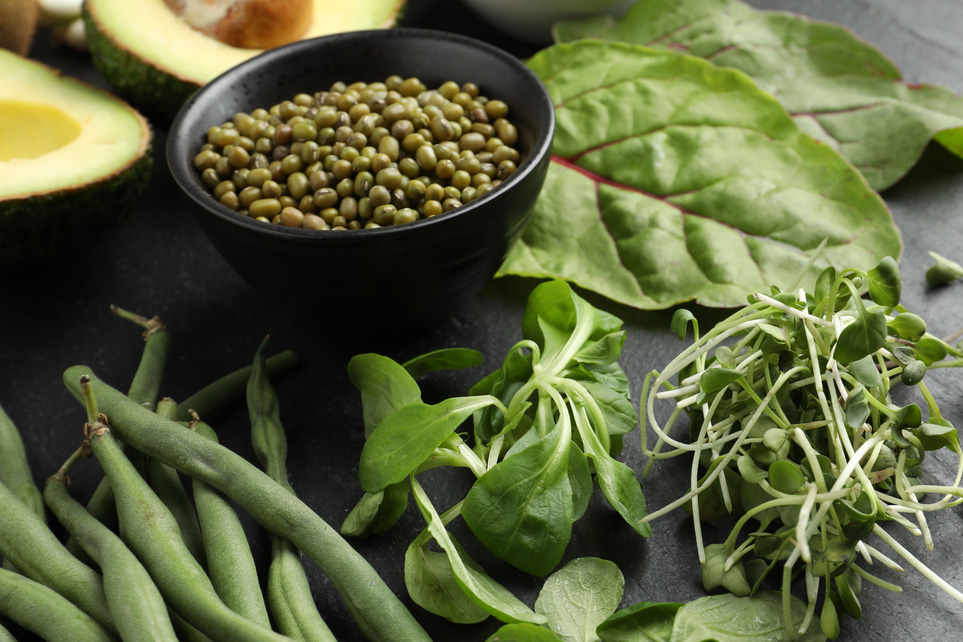
The best sources of potassium are often found in regular food, not in dietary supplements. Potatoes with skin, legumes, leafy vegetables and yogurt are among the most potassium-rich options on official diet lists. Fruits such as bananas and avocados also contribute, but they are not among the main sources.
Examples of potassium-rich foods that are suitable for everyday use are:
baked or boiled potatoes with skins
sweet potatoes
white beans, kidney beans, lentils and chickpeas
cooked spinach and other dark green leafy vegetables
natural yoghurt and kefir
avocado
banana
dried apricots
tomato products
squash and pumpkin
For many people, it is easier to think in terms of meals than in terms of individual nutrients. A lunch of salmon, boiled potatoes and spinach or a vegetarian lentil stew with tomato provides significantly more potassium than a quick snack consisting of coffee and a sandwich. Even a snack of yogurt, banana and nuts after exercise can contribute a good amount.
If you often get cramps in the evening, it may also be worth reviewing your entire daily intake. Potassium is most beneficial when the diet is evenly distributed and contains several raw materials from fruit, vegetables, legumes and dairy products.
When cramps can actually be due to a potassium deficiency
It is unusual for low consumption of potassium-rich foods alone to explain pronounced hypokalemia in otherwise healthy adults. It is much more common for the body to lose potassium through the gastrointestinal tract or via the kidneys. Prolonged diarrhea, vomiting, and certain diuretics are classic causes.
This is a situation many people will recognize: you may have had a stomach illness, sweated heavily, or trained hard in the heat and then notice that your legs feel weak and cramp easily. Both fluid loss and electrolyte imbalance can contribute. In heat-related cramps, it is not only potassium that plays a role, but also the overall loss of fluids and salts.
Magnesium can also be important. Low magnesium often occurs alongside low potassium and can make it more difficult to restore normal levels. Anyone who repeatedly experiences cramps despite improved nutrition may therefore need a broader assessment rather than focusing solely on diet.
Therefore, potassium-rich foods do not help with all cramps
Nocturnal calf cramps are often not caused by a single, clear deficiency. The risk can increase due to factors such as muscle fatigue, advancing age, pregnancy, low physical activity, and certain medical conditions. Cramps can also occur when muscles are strained for a prolonged period in the same position, for example after a day of standing on a hard surface or after intense exercise without sufficient cooldown.
Therefore, it is important to consider the overall picture if symptoms recur. For example, assess whether you are getting enough fluids, whether you have recently had diarrhea or other fluid losses, or whether you are taking diuretics. Symptoms such as muscle weakness, palpitations, or unusual fatigue may also provide important clues. The answers to these questions can help determine whether lifestyle and dietary changes are sufficient or whether further investigation with blood tests is warranted.
When you should test your values instead of just changing your diet
Potassium deficiency can be medically significant in some cases, especially if it is pronounced or combined with heart disease, kidney disease or medications that affect salt and fluid balance. Severehypokalemia can affect both muscle function and heart rhythm. Therefore, recurrent cramps should not always be dismissed as a simple everyday problem.
You should consider testing if you often have cramps and at the same time have any of the following:
repeated diarrhea or vomiting
treatment with diuretics
marked muscle weakness or unusual fatigue
heart palpitations
kidney disease or other known disease that affects electrolytes
There is also another side to the matter: too much potassium can be dangerous. People with impaired kidney function, certain heart conditions, or those taking potassium-sparing medications should not start potassium supplements on their own without medical assessment. For them, even seemingly healthy changes may need to be adjusted.
If you want to start practically, food is still the first step. Increase your intake of potassium-rich foods in regular meals, ensure adequate fluid intake, and observe whether the problems are related to exercise, heat, or gastrointestinal upset. However, if the cramps recur, if you are using medication that affects fluid balance, or if you experience other symptoms at the same time, a blood test is a safer way to get a clear answer.
Cramping can sometimes be the body’s way of signaling something simple, such as insufficient recovery after a sweaty workout. In other cases, it may be an early sign that the fluid and electrolyte balance is not functioning properly. That distinction cannot be determined with certainty based on symptoms alone.