
Quick version
What happens in the eye with cataracts?
Inside the eye, there is a lens that is normally clear and helps focus light. In cataracts, the lens gradually becomes cloudy. This causes light to scatter instead of passing straight through, which affects how you see. The result is often vision that appears foggy, blurry, or with reduced contrast.
Early signs to be aware of
The first changes can be subtle and may occur in specific situations. Common early signs include:
- Text becomes harder to read, especially in low light
- You need brighter lighting than before
- Driving at night feels more difficult
- Lamps and headlights cause more glare
- Colors appear less vivid
- Vision varies between different days or lighting conditions
A typical early sign is that you see relatively well during the day but experience clear problems in the evening.
Why is it often detected late?
Cataracts usually develop slowly, sometimes over several years, which means the change in vision happens gradually. As a result, many people adapt to the worsening vision without fully realizing that something has changed. The brain adjusts to the new visual impression, making it harder to detect the problem early on.
It is also common for symptoms to be interpreted as a natural part of aging or as a sign that it is time to update glasses. Factors such as fatigue or dry eyes can also cause similar discomfort, which further contributes to cataracts often being discovered only when vision is clearly affected.
Who is at higher risk?
Cataracts can affect anyone, but certain factors increase the risk:
- Older age
- Diabetes or other chronic conditions
- Smoking
- Long-term treatment with corticosteroids
- High exposure to strong sunlight
- Genetics
If you have any of these risk factors, it is especially important to pay attention to changes in your vision.
When is it time to take action?
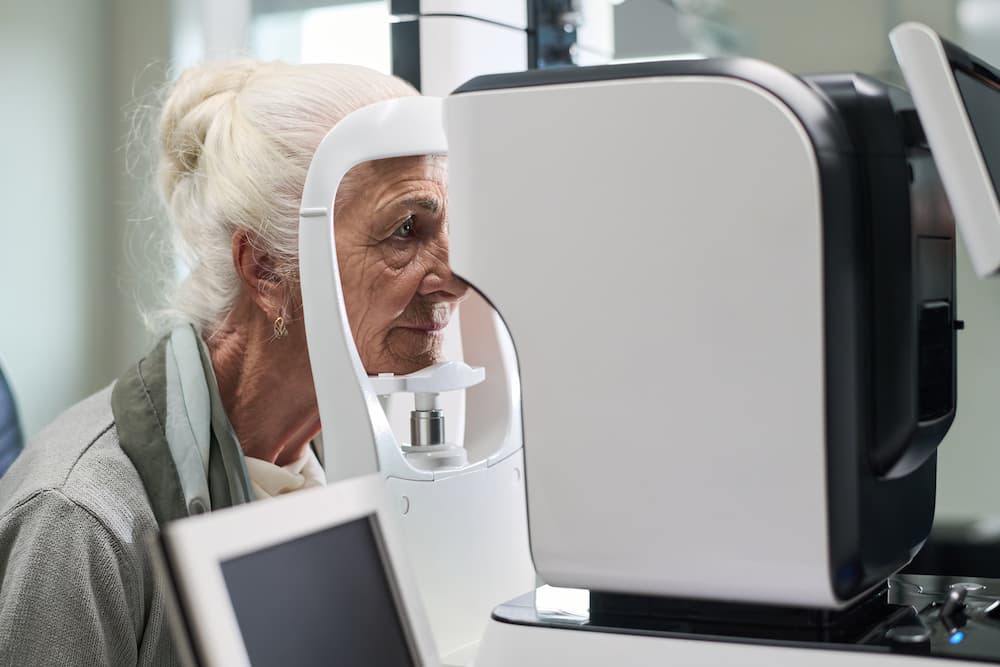
It is not only the degree of change in the eye that determines when to act, but how much your vision affects your daily life. If you notice that it becomes harder to manage activities that previously worked well, such as reading, working on a screen, or driving, it may be a sign that you should seek help.
Feeling less confident in traffic, needing to strain more to see clearly, or experiencing that your vision limits your work or leisure activities are also important signals. Having your vision examined at an early stage makes it easier to understand the cause of your symptoms and to plan the right measures in time.
Treatment and what to expect
There is currently no medication that can cure cataracts. The effective treatment is surgery, where the cloudy lens is replaced with an artificial one. Before that, simpler measures such as better lighting or updated glasses can help, but they do not stop the progression. Surgery becomes relevant when vision starts to affect your quality of life.
Why overall health matters
Vision is influenced not only by the eyes but also by your overall health. For example, blood sugar levels, blood pressure, and lifestyle can affect how and when changes occur. Keeping track of your health markers can therefore be an important part of detecting risks early.
By having regular health check-ups, you can get an overview of important health markers, which can support a preventive approach for maintaining long-term health.