Quick version
Eye inflammation is a common and usually harmless condition where the eye becomes red, irritated, and sometimes sticky. It is most often caused by viruses, but can also be due to bacteria, allergies, or external irritation. In most cases, the symptoms resolve on their own within a few days to a week without treatment.
How long it lasts depends on the cause, where viral infections usually resolve on their own, while allergic symptoms may persist as long as you are exposed to the trigger. With simple self-care measures, you can relieve symptoms and support healing. At the same time, it is important to be aware of warning signs such as pain, vision changes, or lack of improvement, as these may require medical evaluation.
What is eye inflammation?
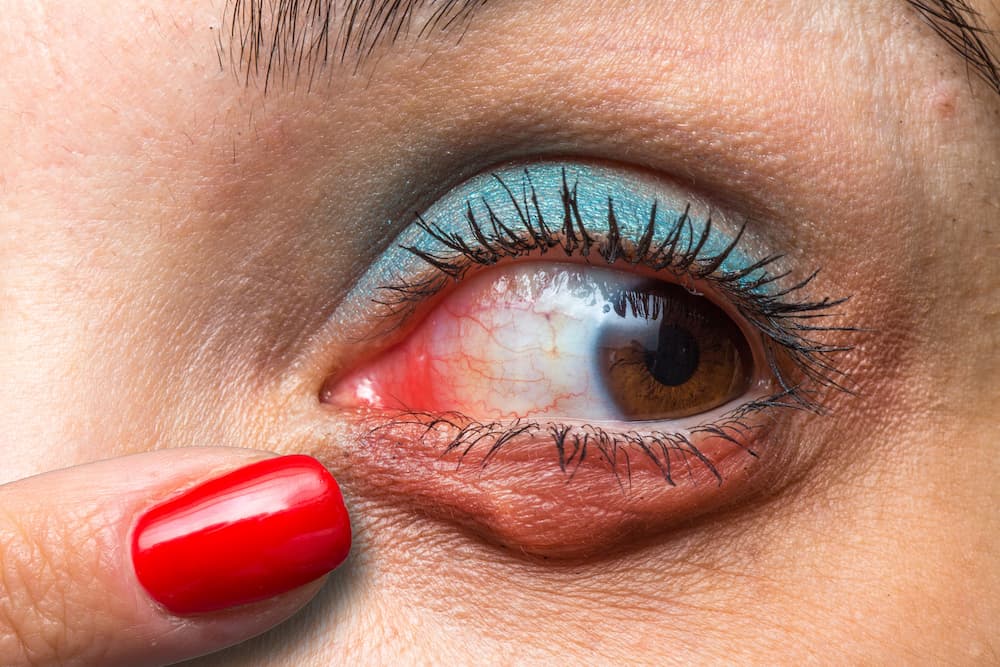
Eye inflammation, or conjunctivitis, is an irritation or infection of the conjunctiva – the thin membrane that covers the white part of the eye and the inside of the eyelids. When it becomes inflamed, the body reacts with redness, swelling, and increased fluid production. The condition can affect both children and adults and is one of the most common causes of red eyes.
What causes eye inflammation?
There are several different causes, and these affect both how long the symptoms last and whether treatment is needed. Viruses are the most common cause and often occur in connection with a cold. This type is highly contagious and spreads through hands and contact. Bacteria can also cause inflammation and often lead to more sticky discharge.
Allergies are another common cause, especially during periods with high pollen levels. In these cases, the eyes react to substances in the environment rather than an infection. External factors such as smoke, dust, chlorinated water, makeup, or contact lenses can also irritate the eye and cause similar symptoms without involving infection.
Symptoms of eye inflammation
The symptoms may feel different depending on the cause, but there are several typical signs that many people experience:
- Red eyes and irritation
- Watery or sticky eyes
- A gritty or burning sensation
- Itching, especially with allergies
- Eyelids that feel heavy or swollen
How long does eye inflammation last?
Many people want to know how quickly it goes away. In most cases, there is gradual improvement within a few days. Viral conjunctivitis usually resolves on its own within five to ten days. Bacterial inflammation can also clear up without treatment within about a week, although some cases may require medication.
With allergies, symptoms persist as long as you are exposed to the trigger, such as pollen or pet dander.
Signs that it is healing
When the inflammation is improving, the symptoms usually decrease gradually. The redness becomes less noticeable, the eye feels calmer, and less discharge is produced. Many people also find mornings easier, as the eyelids are no longer as sticky.
What affects recovery time?
How quickly you recover depends not only on the cause but also on how you take care of your eye. Factors that can influence healing include rubbing your eyes, how careful you are with hand hygiene, and whether you continue using contact lenses despite symptoms. Letting the eye rest and avoiding irritation can speed up recovery.
When should you seek medical care?
Although eye inflammation is usually harmless, there are situations when you should seek medical care:
- If symptoms do not improve within about a week
- If you experience eye pain or significant discomfort
- If your vision becomes blurred or changes
- If you have strong sensitivity to light
- If the eye becomes severely swollen or worsens instead of improving
Young children and people who use contact lenses should be especially cautious and seek care if symptoms occur.
What can I do myself?
There are several simple things you can do to relieve symptoms and help the eye heal. Good hand hygiene is important to reduce the spread of infection. Avoid touching or rubbing your eyes and gently clean with lukewarm water if needed. If you use contact lenses, you should take a break until your eyes feel completely recovered.
When is eye inflammation over?
You can consider the eye inflammation resolved when the eye is no longer red, irritated, or sticky. It should feel normal again without discomfort. If symptoms recur frequently, there may be an underlying cause, such as allergies or dry eyes, that may need to be evaluated.