Quick version
What is glaucoma?
Glaucoma is a collective term for several conditions in which the optic nerve is damaged. The optic nerve transmits visual information from the eye to the brain, and when it is affected, the visual field can gradually shrink. The most common form develops slowly over time. There are also less common variants that may progress more rapidly and in some cases cause acute symptoms. It is important to distinguish glaucoma from cataract. Cataracts occur when the lens of the eye becomes cloudy, whereas glaucoma involves damage to the optic nerve.
Why is glaucoma often detected late?
A particular challenge with glaucoma is that vision often feels normal for a long time. Changes usually begin in the outer parts of the visual field, allowing the brain to compensate and mask the loss. This means that the condition can develop without noticeable changes in everyday life. Therefore, regular eye examinations play an important role, especially for people at increased risk.
Risk factors for glaucoma
Several factors can increase the risk of developing glaucoma:
- increasing age
- heredity, especially if a close relative has the condition
- elevated pressure in the eye
- diabetes
- certain anatomical conditions in the eye
General health may also play a role. Conditions that affect blood vessels and circulation can indirectly influence eye function and the sensitivity of the optic nerve.
How is glaucoma detected?
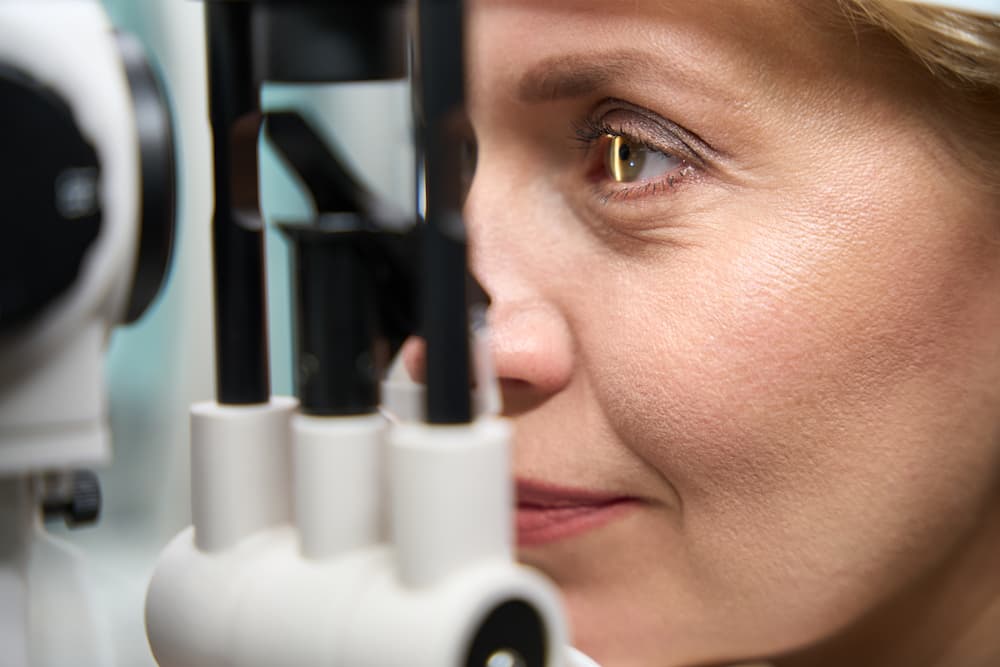
Glaucoma is detected through an eye examination and cannot be diagnosed with a standard blood test. During the examination, the pressure in the eye is measured while the visual field is assessed to determine whether any areas of vision have been affected.
The doctor also evaluates the optic nerve, as changes there are central in glaucoma. In some cases, imaging techniques are used to document and monitor changes over time. Because the condition often lacks clear early symptoms, it is commonly discovered during a routine check-up.
Treatment and follow-up
Treatment for glaucoma aims to slow the progression of the disease and reduce the risk of further damage to the optic nerve. However, vision loss that has already occurred cannot be restored. The condition is usually long-term and requires regular follow-up. Treatment and monitoring are individualized and may change over time.
When should you get checked?
It may be wise to have an eye examination if you:
- have glaucoma in your family
- are older and have not had your vision checked for a long time
- have been told you have elevated eye pressure
- have conditions that affect the eyes or blood vessels
If you experience sudden eye symptoms, such as pain or rapid vision changes, you should seek medical care immediately.
A holistic view of eye health
Although glaucoma cannot be detected through blood tests, other health checks can provide valuable information about risk factors. For example, monitoring blood sugar, blood pressure, and blood lipids can give a better picture of overall health, which is also relevant for eye health.