Quick version
Lowering LDL cholesterol is not about avoiding all fat, but about choosing the right type of fat and increasing your intake of fiber-rich foods. The most effective dietary changes are to reduce saturated fat from, for example, butter, cream, fatty cheeses and meat products, and instead choose unsaturated fats from olive oil, rapeseed oil, nuts, avocados and fatty fish. Soluble fiber from oats, barley, legumes, fruit and psyllium can help lower LDL by reducing the body's reabsorption of cholesterol. Plant sterols and plant stanols can provide additional LDL-lowering effects as a complement to a healthy diet. A dietary pattern similar to the Mediterranean diet, with a focus on vegetables, whole grains, legumes, fish and healthy fats, has strong support for both lower LDL levels and a reduced risk of cardiovascular disease. In the case of very high LDL values or high cardiovascular risk, dietary changes may need to be combined with drug treatment.
When a blood test shows high LDL cholesterol, many people immediately think that they have to “stop eating fat”. It is rarely that simple. For those who want to lower their LDL cholesterol, food is less about prohibitions and more about choosing the right type of fat, the right kind of fiber and habits that actually work in everyday life.
What should you eat if you want to lower your LDL cholesterol?
LDL is often called the “bad” cholesterol because high levels can contribute to fat and cholesterol being stored in the artery wall and forming plaque. Over time, this increases the risk of heart attack,, strokeand other atherosclerotic cardiovascular disease. Diet can clearly affect LDL cholesterol, especially if you combine several measures: less saturated fat, more soluble fiber, more unsaturated fat and, in some cases, foods with plant sterols.
Which food lowers LDL cholesterol the most?
What usually has the best effect is not a single “superfood”, but a pattern where several LDL-lowering choices are added together. Advice from heart and lipid organizations emphasizes reducing saturated fat and replacing it with unsaturated fats, while increasing your intake of fiber-rich plant foods.
Foods that often help lower LDL are:
Oats and grains
Beans, lentils and chickpeas
Vegetables, fruits and berries
Nuts and seeds
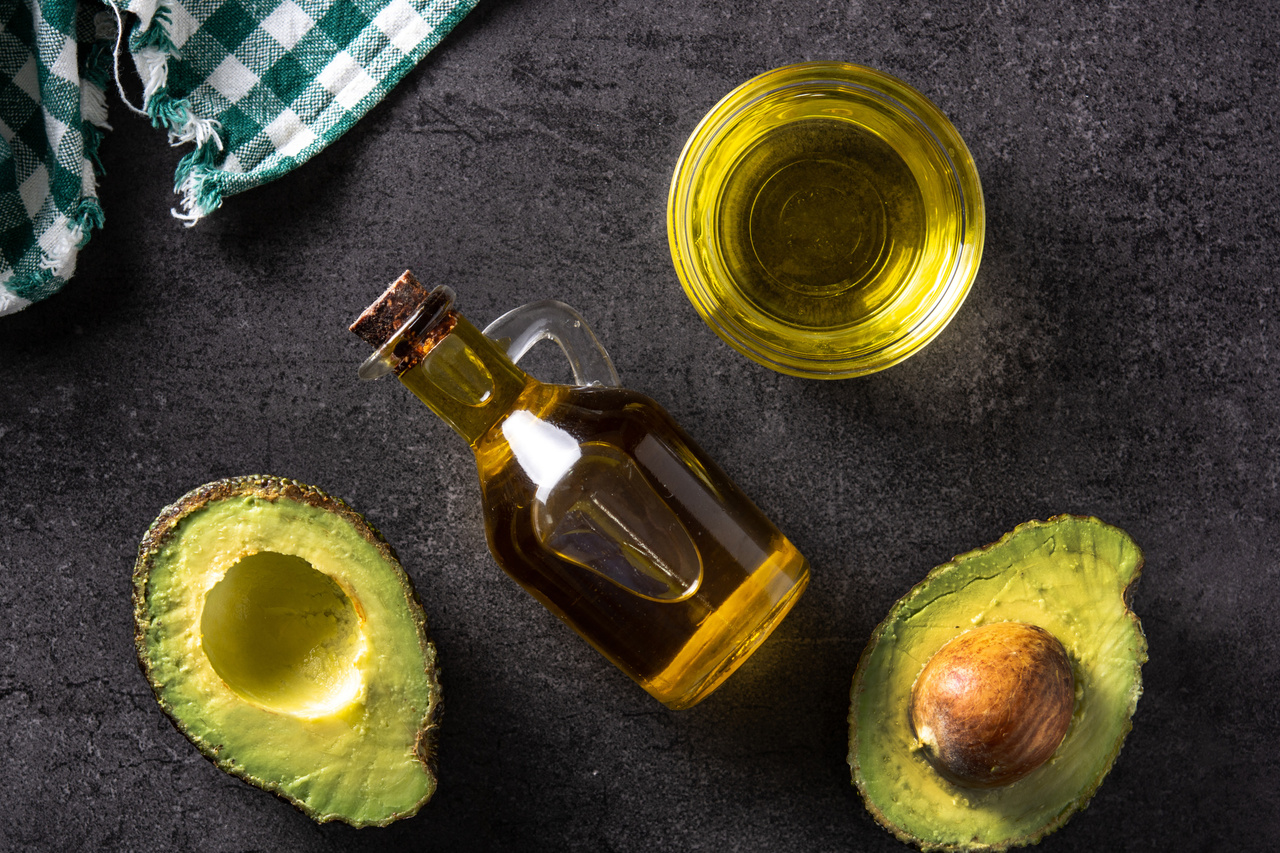
Olive oil, canola oil and avocado
Foods enriched with plant sterols or plant stanols
Oatmeal for breakfast, a bean salad for lunch and salmon with roasted vegetables and canola oil-based dressing for dinner is a typical daily plan that is right. It doesn't have to be advanced to have an effect on LDL.
Soluble fiber - why oats, legumes and psyllium help
Soluble fiber binds bile acids in the intestine and reduces the body's reabsorption of cholesterol. The body then needs to use more cholesterol to form new bile acids, which helps lower LDL. This mechanism is well known and supported by both clinical advice and patient information from leading lipid and heart organizations.
As little as 5–10 grams of soluble fiber per day can provide a measurable reduction in LDL. European and American sources often recommend a total fiber intake of around 25–40 grams per day, of which at least some should be soluble fiber.
Good everyday examples are:
oatmeal porridge or unsweetened muesli with oats
beans or lentils in soup, stew or salad
apple, citrus fruits and pears
barley, psyllium and certain fiber-rich seed mixtures
For many, breakfast is the easiest place to start. If you replace white bread with cheese with oatmeal with berries and a few nuts, you have already moved your diet in a more LDL-lowering direction.
Change your fat source instead of just eating “low-fat”
It is primarily saturated fat that raises LDL cholesterol. It is abundant in fatty meats, butter, cream, fatty cheeses, some baked goods and many fast food products. Guidelines for a heart-healthy diet recommend that the proportion of saturated fat is kept low and that it is replaced with monounsaturated and polyunsaturated fat, not with large amounts of refined carbohydrates.
This means in practice that you gain more from replacing butter with olive oil or rapeseed oil than from simply choosing “light products” without looking at the whole picture. Nuts, seeds, avocados and fatty fish also fit into such a pattern. Unsaturated fats from plant sources and fish are linked to a better blood lipid profile and lower cardiovascular risk.
Plant sterols, nuts and whole food patterns can have an additional effect
Plant sterols and plant stanols are substances that are similar to cholesterol and compete with cholesterol absorption in the intestine. Intake of about 2 grams per day from fortified foods can lower LDL by about 5–15 percent, especially as a complement to other dietary changes.
They are most often found in specially fortified products, such as certain fats, yogurt-like products or shots. For those with clearly elevated LDL, such foods can be a practical addition, but they do not replace the basis of the diet.
Nuts also have support in research, especially as a replacement for snacks or foods high in saturated fat. At the same time, entire dietary patterns seem to be more important than individual products. Mediterranean-style diets and other heart-healthy approaches, where vegetables, legumes, whole grains, nuts, fish and olive oil predominate, are associated with lower LDL and a lower risk of cardiovascular disease.
What should you eat less of if LDL is high?
Many people want to know exactly what to eliminate. The most important group to reduce is foods high in saturated fat and ultra-processed products that make it easy to get a lot of energy without much fiber. This applies, for example, to fatty sausages, bacon, fatty cheeses, butter, cream, ice cream, fried fast food, pastries and snacks with an unfavorable fat profile.
Trans fats are particularly unfavorable because they raise LDL and further impair blood lipids. Industrially produced trans fats have decreased significantly, but can still be found in some processed or imported foods.
It is also common to replace fat with sugar or white flour, but this is not a good shortcut. A diet that lowers LDL should not be based on sweet breakfast products, juice, cakes or large amounts of white bread, even if the food happens to be “low-fat”. For blood fats, the quality of both fat and carbohydrates is important.
When is diet alone not enough?
Dietary changes can significantly lower LDL cholesterol, but are not always enough. In the case of very high LDL values, hereditary risk of cardiovascular disease or if you already have, for example, diabetes or cardiovascular disease, medication may be needed as a supplement. Statins are often the first choice because they effectively lower LDL and reduce the risk of heart attack and stroke.
Many people wonder if an optimal diet can replace medication. The answer depends on the individual risk profile. LDL is not only affected by diet but also by factors such as genetics, age, physical activity and other health conditions.
The effect of dietary changes can often be seen after just a few weeks, but blood lipids are usually followed up after 6–12 weeks to give a more accurate picture of the result.
Lowering LDL is not about eating perfectly, but about creating sustainable habits that work in everyday life. Regular blood tests are an easy way to follow progress and assess the effect of the changes made.