
Health tests
We offer a wide range of health tests and check-ups to help you understand and monitor your health over time. Here, you will find blood tests to analyze hormones, vitamins and minerals, blood status, heart and vascular health, liver and kidney function, as well as blood sugar levels. Whether you want to analyze specific health markers or undergo a more comprehensive health check-up, you can order your referral with us.
You choose the clinic where you want to send your referral, where the blood sample will be taken by licensed healthcare professionals. Your samples are then analyzed by accredited laboratories, ensuring high quality and reliable results. Once the analysis is complete, you will receive a clear summary of your test results, which you can use to better understand your health or discuss further with your doctor if needed.
Whether you need a single analysis or a more comprehensive evaluation of your health, you can easily order the tests you need – smoothly, securely, and on your own terms. By taking control of your health, you gain valuable insights that can help you make informed decisions and feel better in the long run.
Selected filter

Antibody tests
How does your immune system work? Antibodies are an important part of the body's defense system and are formed in response to infections, vaccinations or other foreign substances. By analyzing antibody levels in the blood, you can gain valuable insight into how your immune system reacts to viruses, bacteria, allergens or the body's own structures in autoimmune conditions.
With us, you can easily order tests from accredited Swedish laboratories to examine specific antibodies linked to, among other things, Borrelia IgG and IgM, TPO antibodies as well as markers for gluten intolerance and autoimmune disease. Our analyses provide an important overview of your immune status - both when investigating symptoms and for preventive purposes.
Blood tests in the antibody category are suitable for those who want to check for previous infections and get answers about whether the body reacts to certain substances. The results may provide guidance for further treatment, lifestyle changes, or further investigation.
- TPO antibody test (autoantibodies).
- Analysis of thyroperoxidase antibodies.
- Identifies any thyroid problems.
- Recommended together with TSH.

Borrelia test
Information
Medical comment included
With us, you will always receive a doctor’s opinion from a licensed physician when you order a medical check-up that includes a medical opinion. The doctor’s opinion includes an overall assessment of your results from laboratory analysis. The opinion is individual and may vary depending on the specific tests your medical check-up includes.
What can I expect in the medical report?
The medical opinion will summarize the results of your test results to give you an assessment of your health including any abnormalities outside the reference ranges. In case of abnormalities or need, your doctor may also contact you for a free conversation to explain and talk about your results. Remember that a health check always includes specific test results based on your health and your personal circumstances. Values outside the reference range should therefore always be discussed with a doctor before any decisions regarding possible treatment are made.
What does the doctor look at during a health check?
When assessing a blood test or health check, your doctor will look at several different parameters to evaluate your health and identify any abnormalities. Below are some common aspects your doctor may examine:
Blood counts: Your doctor will check red, white and platelet counts to identify any signs of anaemia, infection or bleeding.
Nutrients and biochemical markers: Includes, for example, analysis and monitoring of blood sugar (glucose) levels, electrolyte levels (e.g. sodium, potassium), liver function tests (e.g. liver enzymes), kidney function tests (e.g. creatinine, urea) and lipid profile (e.g. cholesterol, triglycerides). The results of the tests give your doctor a better idea of your organ function, blood sugar level, cholesterol conditions and other important health aspects.
Inflammatory markers: Your doctor may measure health markers such as C-reactive protein (CRP) or red blood cell decrease rate (SR) to evaluate inflammatory conditions or confirm an active infection.
Hormone levels: Your doctor may monitor your hormone levels to assess hormonal imbalances or diseases, such as thyroid hormones (TSH, T3, T4), sex hormones or other specific hormones such as testosterone levels.
Specific tests: Depending on your goal of your health check or medical history, your doctor may look into specific tests to investigate conditions or diseases, such as diabetes, vitamin deficiency or autoimmune diseases.
In conclusion, the doctor weighs all test results based on the health check to assess your overall health, detect any abnormalities and identify possible underlying medical conditions.
What happens if I have abnormal test results?
If your blood count is abnormal, this will be addressed in your personal medical opinion. Depending on the nature and extent of the abnormality, your doctor may also contact you directly through the test result service for further guidance. Various measures and advice will be provided based on the specific abnormalities observed along with your medical history.
- Test if Lyme disease is suspected
- Analysis of antibodies against Lyme disease
- Analysis of both IgM and IgG

Chickenpox and shingles
Information
Medical comment included
With us, you will always receive a doctor’s opinion from a licensed physician when you order a medical check-up that includes a medical opinion. The doctor’s opinion includes an overall assessment of your results from laboratory analysis. The opinion is individual and may vary depending on the specific tests your medical check-up includes.
What can I expect in the medical report?
The medical opinion will summarize the results of your test results to give you an assessment of your health including any abnormalities outside the reference ranges. In case of abnormalities or need, your doctor may also contact you for a free conversation to explain and talk about your results. Remember that a health check always includes specific test results based on your health and your personal circumstances. Values outside the reference range should therefore always be discussed with a doctor before any decisions regarding possible treatment are made.
What does the doctor look at during a health check?
When assessing a blood test or health check, your doctor will look at several different parameters to evaluate your health and identify any abnormalities. Below are some common aspects your doctor may examine:
Blood counts: Your doctor will check red, white and platelet counts to identify any signs of anaemia, infection or bleeding.
Nutrients and biochemical markers: Includes, for example, analysis and monitoring of blood sugar (glucose) levels, electrolyte levels (e.g. sodium, potassium), liver function tests (e.g. liver enzymes), kidney function tests (e.g. creatinine, urea) and lipid profile (e.g. cholesterol, triglycerides). The results of the tests give your doctor a better idea of your organ function, blood sugar level, cholesterol conditions and other important health aspects.
Inflammatory markers: Your doctor may measure health markers such as C-reactive protein (CRP) or red blood cell decrease rate (SR) to evaluate inflammatory conditions or confirm an active infection.
Hormone levels: Your doctor may monitor your hormone levels to assess hormonal imbalances or diseases, such as thyroid hormones (TSH, T3, T4), sex hormones or other specific hormones such as testosterone levels.
Specific tests: Depending on your goal of your health check or medical history, your doctor may look into specific tests to investigate conditions or diseases, such as diabetes, vitamin deficiency or autoimmune diseases.
In conclusion, the doctor weighs all test results based on the health check to assess your overall health, detect any abnormalities and identify possible underlying medical conditions.
What happens if I have abnormal test results?
If your blood count is abnormal, this will be addressed in your personal medical opinion. Depending on the nature and extent of the abnormality, your doctor may also contact you directly through the test result service for further guidance. Various measures and advice will be provided based on the specific abnormalities observed along with your medical history.
- Varicella-zoster virus (VZV) antibody test.
- Analysis of antibodies against the varicella-zoster virus.
- Varicella-zoster virus causes chickenpox and shingles.
- Indication of your immune system.

Blood sugar tests
Do you have low, normal or high blood sugar? With us, you can book an appointment for sampling to measure and check your blood sugar. Your blood sugar level affects how you feel and is an important indicator of your overall health. We offer blood analyses from accredited Swedish laboratories for the testing of glucose (blood sugar level), HbA1c (long-term blood sugar), insulin, and C-peptide, providing a comprehensive view of your blood sugar levels, insulin production, and diabetes risk. Our blood tests are suitable both for those looking to complement a health check and for those with a diagnosis who want to monitor their values. Test results are available within 1-3 days through our result service.

Complete blood count
A complete blood count (CBC) is an analysis that includes a number of different biomarkers to give you an overall status of the cells in the blood.
Blood transports oxygen, nutrients and immune cells throughout the body, and its composition is crucial to your health. A blood status analysis provides an overview of the various components of the blood, including red and white blood cells, hemoglobin levels and platelets.
Order analysis for hemoglobin(Hb) and hematocrit(EVF) for oxygen transport, LPK and various white blood cells for the immune system, and platelets(TPK) for the blood's clotting ability. Blood status can provide valuable information when investigating anemia, infections, inflammation and other health conditions.
You can also order a referral for blood group testing, which is particularly relevant in cases such as pregnancy, blood transfusions or to increase your knowledge of your own health. Blood grouping determines which blood group you belong to according to the ABO and Rh systems, which is crucial in blood transfusions and other medical contexts. Knowing your blood group can be an important part of your medical profile and contribute to faster and safer care when needed.
- Measures your Hb value (Hemoglobin).
- Indication for your general health.
- Health marker that affects delivery of oxygen.
- Measures your EVF value (Hematocrit).
- Analyzes the volume of red blood cells.
- Indication for oxygen transport in the blood.
- Important for general health and fitness.
- Measuring your LPK value (Leukocytes).
- Measures the number of white blood cells.
- Analysis of white blood cells.
- Indication for infection & inflammation.

Fertility tests
Your fertility is affected by several factors including age, lifestyle, and specific medical conditions such as PCOS, hormonal imbalances, and endometriosis. Fertility tests can give you deeper insight into your values and identify potential fertility problems or as a basis for upcoming IVF treatment. Many fertility tests require professional assessment at a doctor's office where your test results can be used as an important part of the fertility evaluation.
- Measures your level of Anti-Müllerian hormone.
- AMH sample analysis of Anti-Müllerin Hormone.
- Get increased insight into your fertility.

Fertility test
Information
Medical comment included
With us, you will always receive a doctor’s opinion from a licensed physician when you order a medical check-up that includes a medical opinion. The doctor’s opinion includes an overall assessment of your results from laboratory analysis. The opinion is individual and may vary depending on the specific tests your medical check-up includes.
What can I expect in the medical report?
The medical opinion will summarize the results of your test results to give you an assessment of your health including any abnormalities outside the reference ranges. In case of abnormalities or need, your doctor may also contact you for a free conversation to explain and talk about your results. Remember that a health check always includes specific test results based on your health and your personal circumstances. Values outside the reference range should therefore always be discussed with a doctor before any decisions regarding possible treatment are made.
What does the doctor look at during a health check?
When assessing a blood test or health check, your doctor will look at several different parameters to evaluate your health and identify any abnormalities. Below are some common aspects your doctor may examine:
Blood counts: Your doctor will check red, white and platelet counts to identify any signs of anaemia, infection or bleeding.
Nutrients and biochemical markers: Includes, for example, analysis and monitoring of blood sugar (glucose) levels, electrolyte levels (e.g. sodium, potassium), liver function tests (e.g. liver enzymes), kidney function tests (e.g. creatinine, urea) and lipid profile (e.g. cholesterol, triglycerides). The results of the tests give your doctor a better idea of your organ function, blood sugar level, cholesterol conditions and other important health aspects.
Inflammatory markers: Your doctor may measure health markers such as C-reactive protein (CRP) or red blood cell decrease rate (SR) to evaluate inflammatory conditions or confirm an active infection.
Hormone levels: Your doctor may monitor your hormone levels to assess hormonal imbalances or diseases, such as thyroid hormones (TSH, T3, T4), sex hormones or other specific hormones such as testosterone levels.
Specific tests: Depending on your goal of your health check or medical history, your doctor may look into specific tests to investigate conditions or diseases, such as diabetes, vitamin deficiency or autoimmune diseases.
In conclusion, the doctor weighs all test results based on the health check to assess your overall health, detect any abnormalities and identify possible underlying medical conditions.
What happens if I have abnormal test results?
If your blood count is abnormal, this will be addressed in your personal medical opinion. Depending on the nature and extent of the abnormality, your doctor may also contact you directly through the test result service for further guidance. Various measures and advice will be provided based on the specific abnormalities observed along with your medical history.
- Fertility test adapted for women.
- Analyzes important fertility hormones and health markers.
- Gives insight into egg reserve and menstrual cycle.

- Fertility screening.
- Analysis for infectious diseases.
- Designed for IVF treatment

Gastrointestinal
If you often experience stomach upset, it may be a signal that something is not right with your intestinal health. Many stomach problems can be traced to imbalances in the intestinal flora, where important bacteria are either missing or in too low levels. By performing a stomach and intestinal test, you get a detailed picture of your intestinal flora and how well it works. Such a test can reveal whether you have a lack of good bacteria or a high concentration of bad bacteria. Using the test results, you can take steps to restore balance in your gut and relieve symptoms such as bloating, diarrhea or constipation.
- Blood test for analysis of Helicobacter pylori (IgG)
- In the investigation of stomach ulcers and long-term stomach problems.
- Screening analysis in case of suspicion of stomach ulcers.
- Lactose intolerance test based on venous blood sample.
- Analyzes your genetic predisposition for lactose intolerance.
- Identifies primary lactose intolerance by genotyping the lactase gene.
- Helps differentiate genetic lactose intolerance from other digestive disorders.
- Analysis of fS-Pepsinogen A.
- Used to identify atrophic gastritis and risk of stomach cancer.
- Recommended for stomach complaints such as heartburn, stomach pain or bloating.
- Identifies effects of helicobacter pylori infection.

Health checks
Get a holistic view of your health with our health checks Do you want to gain a deeper understanding of your health? Our health checks are designed to give you a comprehensive analysis of several important biomarkers that reflect your inner health. By testing everything from blood fats, blood sugar and kidney function to hormone balance and vitamin levels, you can identify early signs of imbalances and take action in time. The health checks are tailored to different needs – whether you want to do a general health check, follow up on specific symptoms or optimize your lifestyle. All our tests are analyzed by accredited Swedish laboratories, and you get smooth access to your results, usually within 1–3 days.
The health checks are tailored for both men and women, with blood tests designed to also address gender-related health needs. Women's Health Check include markers for estrogen, progesterone, thyroid hormones and cardiovascular health, while Men's Health Check may include tests for testosterone, prostate-specific antigen (PSA) and other important parameters. Whether you want to have a general health check, follow up on specific symptoms or optimize your lifestyle, we have the tests that are right for you.
With regular blood tests, you can detect abnormalities at an early stage and gain a better understanding of how your lifestyle affects your well-being. Order your health check today and take a step towards a healthier future.

Health check Large
Information
Biological age
Medical comment included
With us, you will always receive a doctor’s opinion from a licensed physician when you order a medical check-up that includes a medical opinion. The doctor’s opinion includes an overall assessment of your results from laboratory analysis. The opinion is individual and may vary depending on the specific tests your medical check-up includes.
What can I expect in the medical report?
The medical opinion will summarize the results of your test results to give you an assessment of your health including any abnormalities outside the reference ranges. In case of abnormalities or need, your doctor may also contact you for a free conversation to explain and talk about your results. Remember that a health check always includes specific test results based on your health and your personal circumstances. Values outside the reference range should therefore always be discussed with a doctor before any decisions regarding possible treatment are made.
What does the doctor look at during a health check?
When assessing a blood test or health check, your doctor will look at several different parameters to evaluate your health and identify any abnormalities. Below are some common aspects your doctor may examine:
Blood counts: Your doctor will check red, white and platelet counts to identify any signs of anaemia, infection or bleeding.
Nutrients and biochemical markers: Includes, for example, analysis and monitoring of blood sugar (glucose) levels, electrolyte levels (e.g. sodium, potassium), liver function tests (e.g. liver enzymes), kidney function tests (e.g. creatinine, urea) and lipid profile (e.g. cholesterol, triglycerides). The results of the tests give your doctor a better idea of your organ function, blood sugar level, cholesterol conditions and other important health aspects.
Inflammatory markers: Your doctor may measure health markers such as C-reactive protein (CRP) or red blood cell decrease rate (SR) to evaluate inflammatory conditions or confirm an active infection.
Hormone levels: Your doctor may monitor your hormone levels to assess hormonal imbalances or diseases, such as thyroid hormones (TSH, T3, T4), sex hormones or other specific hormones such as testosterone levels.
Specific tests: Depending on your goal of your health check or medical history, your doctor may look into specific tests to investigate conditions or diseases, such as diabetes, vitamin deficiency or autoimmune diseases.
In conclusion, the doctor weighs all test results based on the health check to assess your overall health, detect any abnormalities and identify possible underlying medical conditions.
What happens if I have abnormal test results?
If your blood count is abnormal, this will be addressed in your personal medical opinion. Depending on the nature and extent of the abnormality, your doctor may also contact you directly through the test result service for further guidance. Various measures and advice will be provided based on the specific abnormalities observed along with your medical history.
- Great health check for men and women.
- Analysis of 54 health markers.
- Helps you identify abnormal blood values.
- Biological age included.

- Health check that measures your blood status.
- Analysis of blood cells that affect your general health.
- Gives you the conditions to optimize your health.
- Indication of possible diseases.

Women’s Health Check
Information
Biological age
Medical comment included
With us, you will always receive a doctor’s opinion from a licensed physician when you order a medical check-up that includes a medical opinion. The doctor’s opinion includes an overall assessment of your results from laboratory analysis. The opinion is individual and may vary depending on the specific tests your medical check-up includes.
What can I expect in the medical report?
The medical opinion will summarize the results of your test results to give you an assessment of your health including any abnormalities outside the reference ranges. In case of abnormalities or need, your doctor may also contact you for a free conversation to explain and talk about your results. Remember that a health check always includes specific test results based on your health and your personal circumstances. Values outside the reference range should therefore always be discussed with a doctor before any decisions regarding possible treatment are made.
What does the doctor look at during a health check?
When assessing a blood test or health check, your doctor will look at several different parameters to evaluate your health and identify any abnormalities. Below are some common aspects your doctor may examine:
Blood counts: Your doctor will check red, white and platelet counts to identify any signs of anaemia, infection or bleeding.
Nutrients and biochemical markers: Includes, for example, analysis and monitoring of blood sugar (glucose) levels, electrolyte levels (e.g. sodium, potassium), liver function tests (e.g. liver enzymes), kidney function tests (e.g. creatinine, urea) and lipid profile (e.g. cholesterol, triglycerides). The results of the tests give your doctor a better idea of your organ function, blood sugar level, cholesterol conditions and other important health aspects.
Inflammatory markers: Your doctor may measure health markers such as C-reactive protein (CRP) or red blood cell decrease rate (SR) to evaluate inflammatory conditions or confirm an active infection.
Hormone levels: Your doctor may monitor your hormone levels to assess hormonal imbalances or diseases, such as thyroid hormones (TSH, T3, T4), sex hormones or other specific hormones such as testosterone levels.
Specific tests: Depending on your goal of your health check or medical history, your doctor may look into specific tests to investigate conditions or diseases, such as diabetes, vitamin deficiency or autoimmune diseases.
In conclusion, the doctor weighs all test results based on the health check to assess your overall health, detect any abnormalities and identify possible underlying medical conditions.
What happens if I have abnormal test results?
If your blood count is abnormal, this will be addressed in your personal medical opinion. Depending on the nature and extent of the abnormality, your doctor may also contact you directly through the test result service for further guidance. Various measures and advice will be provided based on the specific abnormalities observed along with your medical history.
- Comprehensive health check designed for women.
- Analysis of 51 biomarkers, including female hormones, iron status and thyroid function.
- Helps identify abnormal blood test results and potential risk factors.
- Biological age assessment and a doctor’s report are included.

Heart and vascular tests
What do your blood lipids look like? Elevated or unfavourably distributed blood lipids are important risk factors for cardiovascular disease. Since altered blood lipid values often do not cause any clear symptoms, blood tests can provide valuable information about your long-term cardiovascular health and help you follow relevant risk markers over time.
With us, you can order blood tests for analysis of LDL cholesterol, HDL cholesterol, total cholesterol and triglycerides. You can also analyze Apo B, Apo A1 and Apo B/Apo A1 ratio, which provides additional information about the blood's lipoproteins and blood lipid profile.
A particularly relevant risk marker is Lipoprotein (a), also known as Lp(a). The level is largely genetically determined and Lp(a) is an independent risk factor for cardiovascular disease. Since the level is less affected by lifestyle than many other blood lipids, an Lp(a) test can provide information that is not always apparent from a standard cholesterol analysis.
In the category you will also find complementary analyses such as non-HDL cholesterol and NT-proBNP as well as long-term ECG for other questions about heart function. The tests may be relevant both for those who want to check their blood lipids for preventive purposes and for those who follow up on previous abnormal values or a known risk profile.
- Measures LDL cholesterol
- The "bad" cholesterol (LDL)
- Discover the risk of cardiovascular disease
- Indicate dietary or lifestyle changes
- Blodprov för HDL-kolesterol.
- Analys av det goda kolesterolet (HDL).
- Identifierar risk för hjärt- och kärlsjukdom.
- Ger insikt i din lipidprofil och hjärthälsa.
- Measures your total cholesterol.
- Get insight into your cholesterol value.
- Discover the risk of cardiovascular disease.
- Indication of dietary or lifestyle changes.

Hormone tests
Hormones are chemical messengers that are produced in the body and play an important role in regulating various body processes. Our hormone tests measure how your hormonal levels affect your body.
What does your hormonal balance look like? With us you can book a test to analyze your hormone levels and gain insight into your health. Hormones affect everything from energy and metabolism to fertility and stress. We offer blood tests from accredited Swedish laboratories for important hormones such as FSH, Luteinizing hormone, estradiol, progesterone, testosterone, cortisol, TSH and DHEA-S, which can help you identify any imbalances. Our tests are suitable for both those who want to get an overview of your hormonal health and for those who want to follow up on specific values.

- Measuring your level of testosterone.
- Analysis to identify testosterone deficiency.
- Get increased insight into your testosterone level.
- Analysis of S-Testosterone.



Infection
Infection tests can provide information about how the body reacts to suspected infection and help identify signs of inflammation or effects on the immune system. With us, you can order blood tests for analysis of several different infection and immune markers at accredited laboratories.
You can analyze, among other things, hs-CRP and LPK Leukocytes, which can provide information about the degree of inflammation and the number of white blood cells. For more specific questions, there is also S-Procalcitonin, which is primarily used in the assessment of bacterial infections, as well as Borrelia test for the analysis of antibodies in cases of suspected borrelia infection.
The category also includes analyses of different types of white blood cells and IgG subclasses, which can provide additional information about the function of the immune system. Which blood test is relevant depends on what you want to investigate and what type of infection or immunological issue is suspected.
Borrelia test
Information
Medical comment included
With us, you will always receive a doctor’s opinion from a licensed physician when you order a medical check-up that includes a medical opinion. The doctor’s opinion includes an overall assessment of your results from laboratory analysis. The opinion is individual and may vary depending on the specific tests your medical check-up includes.
What can I expect in the medical report?
The medical opinion will summarize the results of your test results to give you an assessment of your health including any abnormalities outside the reference ranges. In case of abnormalities or need, your doctor may also contact you for a free conversation to explain and talk about your results. Remember that a health check always includes specific test results based on your health and your personal circumstances. Values outside the reference range should therefore always be discussed with a doctor before any decisions regarding possible treatment are made.
What does the doctor look at during a health check?
When assessing a blood test or health check, your doctor will look at several different parameters to evaluate your health and identify any abnormalities. Below are some common aspects your doctor may examine:
Blood counts: Your doctor will check red, white and platelet counts to identify any signs of anaemia, infection or bleeding.
Nutrients and biochemical markers: Includes, for example, analysis and monitoring of blood sugar (glucose) levels, electrolyte levels (e.g. sodium, potassium), liver function tests (e.g. liver enzymes), kidney function tests (e.g. creatinine, urea) and lipid profile (e.g. cholesterol, triglycerides). The results of the tests give your doctor a better idea of your organ function, blood sugar level, cholesterol conditions and other important health aspects.
Inflammatory markers: Your doctor may measure health markers such as C-reactive protein (CRP) or red blood cell decrease rate (SR) to evaluate inflammatory conditions or confirm an active infection.
Hormone levels: Your doctor may monitor your hormone levels to assess hormonal imbalances or diseases, such as thyroid hormones (TSH, T3, T4), sex hormones or other specific hormones such as testosterone levels.
Specific tests: Depending on your goal of your health check or medical history, your doctor may look into specific tests to investigate conditions or diseases, such as diabetes, vitamin deficiency or autoimmune diseases.
In conclusion, the doctor weighs all test results based on the health check to assess your overall health, detect any abnormalities and identify possible underlying medical conditions.
What happens if I have abnormal test results?
If your blood count is abnormal, this will be addressed in your personal medical opinion. Depending on the nature and extent of the abnormality, your doctor may also contact you directly through the test result service for further guidance. Various measures and advice will be provided based on the specific abnormalities observed along with your medical history.
- Test if Lyme disease is suspected
- Analysis of antibodies against Lyme disease
- Analysis of both IgM and IgG
- Measuring your LPK value (Leukocytes).
- Measures the number of white blood cells.
- Analysis of white blood cells.
- Indication for infection & inflammation.

Inflammation
Inflammation is part of the body's natural defense and can occur in cases such as infection, tissue damage or immunological conditions. Blood tests that measure inflammation markers can provide information about the degree of inflammation in the body and can be used to support the investigation and follow-up of various health conditions.
With us, you can analyze, among other things, CRP, SR sänka, fibrinogen and other markers that can be affected by inflammatory processes. You will also find analyses of white blood cells and immunoglobulins, which can provide additional information about the body's immune defense.
The category also includes more specific analyses such as rheumatoid factor (RF), Anti-CCP, S-ANA, and HLA-B27, which are used in various questions about autoimmune and inflammatory conditions. Which blood test is relevant therefore depends on what you want to examine and what symptoms or previous findings are behind the test.

PSA Plus
Information
Medical comment included
With us, you will always receive a doctor’s opinion from a licensed physician when you order a medical check-up that includes a medical opinion. The doctor’s opinion includes an overall assessment of your results from laboratory analysis. The opinion is individual and may vary depending on the specific tests your medical check-up includes.
What can I expect in the medical report?
The medical opinion will summarize the results of your test results to give you an assessment of your health including any abnormalities outside the reference ranges. In case of abnormalities or need, your doctor may also contact you for a free conversation to explain and talk about your results. Remember that a health check always includes specific test results based on your health and your personal circumstances. Values outside the reference range should therefore always be discussed with a doctor before any decisions regarding possible treatment are made.
What does the doctor look at during a health check?
When assessing a blood test or health check, your doctor will look at several different parameters to evaluate your health and identify any abnormalities. Below are some common aspects your doctor may examine:
Blood counts: Your doctor will check red, white and platelet counts to identify any signs of anaemia, infection or bleeding.
Nutrients and biochemical markers: Includes, for example, analysis and monitoring of blood sugar (glucose) levels, electrolyte levels (e.g. sodium, potassium), liver function tests (e.g. liver enzymes), kidney function tests (e.g. creatinine, urea) and lipid profile (e.g. cholesterol, triglycerides). The results of the tests give your doctor a better idea of your organ function, blood sugar level, cholesterol conditions and other important health aspects.
Inflammatory markers: Your doctor may measure health markers such as C-reactive protein (CRP) or red blood cell decrease rate (SR) to evaluate inflammatory conditions or confirm an active infection.
Hormone levels: Your doctor may monitor your hormone levels to assess hormonal imbalances or diseases, such as thyroid hormones (TSH, T3, T4), sex hormones or other specific hormones such as testosterone levels.
Specific tests: Depending on your goal of your health check or medical history, your doctor may look into specific tests to investigate conditions or diseases, such as diabetes, vitamin deficiency or autoimmune diseases.
In conclusion, the doctor weighs all test results based on the health check to assess your overall health, detect any abnormalities and identify possible underlying medical conditions.
What happens if I have abnormal test results?
If your blood count is abnormal, this will be addressed in your personal medical opinion. Depending on the nature and extent of the abnormality, your doctor may also contact you directly through the test result service for further guidance. Various measures and advice will be provided based on the specific abnormalities observed along with your medical history.
- Prostate control based on blood analysis.
- Analysis of P-PSA (total PSA).
- Analysis of the ratio between PSA-Free/total.
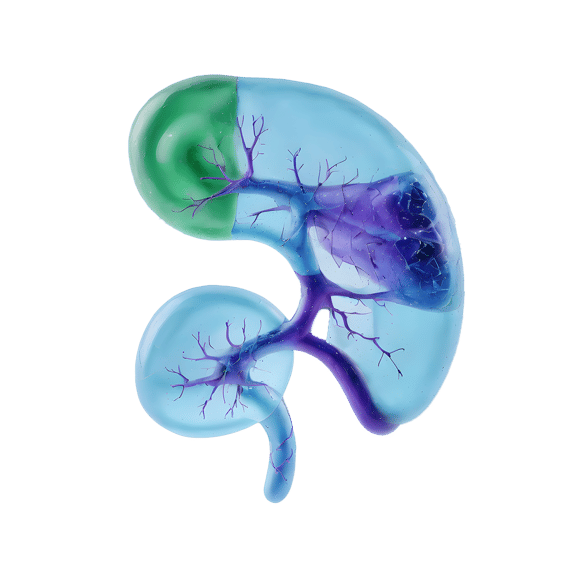
Kidney tests
Get a clearer picture of your kidney health. Kidney function is crucial for the body's fluid balance, blood pressure regulation and detoxification. By analyzing key kidney markers, you can gain a deeper insight into how the kidneys are working and detect early signs of kidney failure. Kidney disease often develops slowly and can be symptom-free for a long time, making regular testing especially important to prevent complications.
Here are blood tests to measure creatinine, Cystatin C, eGFR, urea, albumin and electrolytes such as sodium, potassium and chloride. These tests can provide information about the kidneys' filtering ability, any imbalances in mineral and salt balance and early signs of kidney disease. Monitoring kidney function is especially important for people with diabetes, high blood pressure or other risk factors. Fast and reliable test results make it easier to take the right steps to maintain good kidney health.
In addition to our individual kidney tests, we also offer Kidney check – a comprehensive health check that includes most of the most important markers for evaluating kidney function. With this test, you get a complete picture of your kidneys' filtration capacity, electrolyte balance and possible signs of kidney disease.
- Measures creatinine in the blood to assess kidney function.
- P Creatinine is used together with eGFR to estimate the filtration capacity of the kidneys.
- A high creatinine value can occur with impaired kidney function.
- Analysis at an accredited Swedish laboratory.


Liver
Liver function is crucial for the body's metabolism, detoxification and nutrient management. Blood tests that measure liver values can provide important information about liver health and help identify early signs of liver disease, inflammation or stress from, for example, viral infections, alcohol or medications.
By analyzing markers such as ALAT, ASAT, ALP, bilirubin and GT glutamyltransferase, tests can provide a deeper understanding of how the liver is functioning. Elevated levels can indicate liver damage, biliary tract disorders or chronic liver diseases such as fatty liver and hepatitis.Regular monitoring of liver values may be especially important for people with risk factors such as high alcohol consumption, obesity, diabetes or use of medications that affect the liver. Fast and reliable test results provide the opportunity to detect abnormalities in time and take measures to protect liver health.
- Measuring your ASAT value.
- Analysis of P-ASAT (aspartate aminotransferase).
- Gives insight into how your liver is doing.
- Indication of possible liver disease.

Mineral tests
Minerals are essential for the body's normal function, from bone health and nerve signaling to oxygen transport and enzyme activity. A deficiency or excess of certain minerals can affect energy levels, immune function and hormone balance. By analyzing mineral levels in the blood, it is possible to get a clearer picture of the body's nutritional status and detect any imbalances in time.
Here you will find tests for important minerals such as iron, magnesium, calcium, zinc and copper, as well as specialized analyses such as transferrin saturation, ferritin and arsenic. These tests can help identify deficiencies, overload or underlying causes of symptoms such as fatigue, muscle weakness or a weakened immune system.
- Measures P-iron – the amount of iron in the blood at the time of sampling.
- Can indicate low or elevated iron levels.
- Relevant for symptoms such as fatigue, dizziness or shortness of breath.
- Should often be assessed together with ferritin and transferrin saturation for a more complete assessment of the body's iron status.
- Measures your magnesium level analysis of P-Magnesium (Mg).
- Indication of possible magnesium deficiency or excess.
- Suitable if you experience muscle cramps, fatigue or heart palpitations.
- Recommended for suspected nutritional deficiency, intestinal problems or prolonged stress.
MRI examination of organs

MRI Full Body
Information
Medical comment included
With us, you will always receive a doctor’s opinion from a licensed physician when you order a medical check-up that includes a medical opinion. The doctor’s opinion includes an overall assessment of your results from laboratory analysis. The opinion is individual and may vary depending on the specific tests your medical check-up includes.
What can I expect in the medical report?
The medical opinion will summarize the results of your test results to give you an assessment of your health including any abnormalities outside the reference ranges. In case of abnormalities or need, your doctor may also contact you for a free conversation to explain and talk about your results. Remember that a health check always includes specific test results based on your health and your personal circumstances. Values outside the reference range should therefore always be discussed with a doctor before any decisions regarding possible treatment are made.
What does the doctor look at during a health check?
When assessing a blood test or health check, your doctor will look at several different parameters to evaluate your health and identify any abnormalities. Below are some common aspects your doctor may examine:
Blood counts: Your doctor will check red, white and platelet counts to identify any signs of anaemia, infection or bleeding.
Nutrients and biochemical markers: Includes, for example, analysis and monitoring of blood sugar (glucose) levels, electrolyte levels (e.g. sodium, potassium), liver function tests (e.g. liver enzymes), kidney function tests (e.g. creatinine, urea) and lipid profile (e.g. cholesterol, triglycerides). The results of the tests give your doctor a better idea of your organ function, blood sugar level, cholesterol conditions and other important health aspects.
Inflammatory markers: Your doctor may measure health markers such as C-reactive protein (CRP) or red blood cell decrease rate (SR) to evaluate inflammatory conditions or confirm an active infection.
Hormone levels: Your doctor may monitor your hormone levels to assess hormonal imbalances or diseases, such as thyroid hormones (TSH, T3, T4), sex hormones or other specific hormones such as testosterone levels.
Specific tests: Depending on your goal of your health check or medical history, your doctor may look into specific tests to investigate conditions or diseases, such as diabetes, vitamin deficiency or autoimmune diseases.
In conclusion, the doctor weighs all test results based on the health check to assess your overall health, detect any abnormalities and identify possible underlying medical conditions.
What happens if I have abnormal test results?
If your blood count is abnormal, this will be addressed in your personal medical opinion. Depending on the nature and extent of the abnormality, your doctor may also contact you directly through the test result service for further guidance. Various measures and advice will be provided based on the specific abnormalities observed along with your medical history.
Call included
- Magnetic camera examination of the full body
- Recommended for those who are healthy for screening purposes
- Detailed examination with magnetic camera
- MRI full body, referral sent directly

MRI Brain
Information
Medical comment included
With us, you will always receive a doctor’s opinion from a licensed physician when you order a medical check-up that includes a medical opinion. The doctor’s opinion includes an overall assessment of your results from laboratory analysis. The opinion is individual and may vary depending on the specific tests your medical check-up includes.
What can I expect in the medical report?
The medical opinion will summarize the results of your test results to give you an assessment of your health including any abnormalities outside the reference ranges. In case of abnormalities or need, your doctor may also contact you for a free conversation to explain and talk about your results. Remember that a health check always includes specific test results based on your health and your personal circumstances. Values outside the reference range should therefore always be discussed with a doctor before any decisions regarding possible treatment are made.
What does the doctor look at during a health check?
When assessing a blood test or health check, your doctor will look at several different parameters to evaluate your health and identify any abnormalities. Below are some common aspects your doctor may examine:
Blood counts: Your doctor will check red, white and platelet counts to identify any signs of anaemia, infection or bleeding.
Nutrients and biochemical markers: Includes, for example, analysis and monitoring of blood sugar (glucose) levels, electrolyte levels (e.g. sodium, potassium), liver function tests (e.g. liver enzymes), kidney function tests (e.g. creatinine, urea) and lipid profile (e.g. cholesterol, triglycerides). The results of the tests give your doctor a better idea of your organ function, blood sugar level, cholesterol conditions and other important health aspects.
Inflammatory markers: Your doctor may measure health markers such as C-reactive protein (CRP) or red blood cell decrease rate (SR) to evaluate inflammatory conditions or confirm an active infection.
Hormone levels: Your doctor may monitor your hormone levels to assess hormonal imbalances or diseases, such as thyroid hormones (TSH, T3, T4), sex hormones or other specific hormones such as testosterone levels.
Specific tests: Depending on your goal of your health check or medical history, your doctor may look into specific tests to investigate conditions or diseases, such as diabetes, vitamin deficiency or autoimmune diseases.
In conclusion, the doctor weighs all test results based on the health check to assess your overall health, detect any abnormalities and identify possible underlying medical conditions.
What happens if I have abnormal test results?
If your blood count is abnormal, this will be addressed in your personal medical opinion. Depending on the nature and extent of the abnormality, your doctor may also contact you directly through the test result service for further guidance. Various measures and advice will be provided based on the specific abnormalities observed along with your medical history.
Call included
- MRI brain – with contrast if needed.
- For headaches, dizziness, memory problems or neurological symptoms.
- Painless and radiation-free – even in acute conditions.
- Referral and specialist opinion included.

MRI Abdomen/MRCP
Information
Medical comment included
With us, you will always receive a doctor’s opinion from a licensed physician when you order a medical check-up that includes a medical opinion. The doctor’s opinion includes an overall assessment of your results from laboratory analysis. The opinion is individual and may vary depending on the specific tests your medical check-up includes.
What can I expect in the medical report?
The medical opinion will summarize the results of your test results to give you an assessment of your health including any abnormalities outside the reference ranges. In case of abnormalities or need, your doctor may also contact you for a free conversation to explain and talk about your results. Remember that a health check always includes specific test results based on your health and your personal circumstances. Values outside the reference range should therefore always be discussed with a doctor before any decisions regarding possible treatment are made.
What does the doctor look at during a health check?
When assessing a blood test or health check, your doctor will look at several different parameters to evaluate your health and identify any abnormalities. Below are some common aspects your doctor may examine:
Blood counts: Your doctor will check red, white and platelet counts to identify any signs of anaemia, infection or bleeding.
Nutrients and biochemical markers: Includes, for example, analysis and monitoring of blood sugar (glucose) levels, electrolyte levels (e.g. sodium, potassium), liver function tests (e.g. liver enzymes), kidney function tests (e.g. creatinine, urea) and lipid profile (e.g. cholesterol, triglycerides). The results of the tests give your doctor a better idea of your organ function, blood sugar level, cholesterol conditions and other important health aspects.
Inflammatory markers: Your doctor may measure health markers such as C-reactive protein (CRP) or red blood cell decrease rate (SR) to evaluate inflammatory conditions or confirm an active infection.
Hormone levels: Your doctor may monitor your hormone levels to assess hormonal imbalances or diseases, such as thyroid hormones (TSH, T3, T4), sex hormones or other specific hormones such as testosterone levels.
Specific tests: Depending on your goal of your health check or medical history, your doctor may look into specific tests to investigate conditions or diseases, such as diabetes, vitamin deficiency or autoimmune diseases.
In conclusion, the doctor weighs all test results based on the health check to assess your overall health, detect any abnormalities and identify possible underlying medical conditions.
What happens if I have abnormal test results?
If your blood count is abnormal, this will be addressed in your personal medical opinion. Depending on the nature and extent of the abnormality, your doctor may also contact you directly through the test result service for further guidance. Various measures and advice will be provided based on the specific abnormalities observed along with your medical history.
Call included
- Abdominal MRI visualizes the liver, kidneys, bile ducts, and pancreas.
- Recommended for abdominal pain or suspected abnormalities.
- MRCP shows bile and pancreatic ducts – without contrast agents.
- Radiation-free exam with referral and specialist report included.

Other health tests
Here you will find all other health tests that we offer at the Test reception. Order any health test below to gain more insight into a specific health marker or combine freely with other tests from our range.
- Get answers to your alcohol consumption over time.
- Alcohol-specific biomarker CDT.
- Analysis of low-carbohydrate transferrin.
- Private result, not shared with care record.
Chickenpox and shingles
Information
Medical comment included
With us, you will always receive a doctor’s opinion from a licensed physician when you order a medical check-up that includes a medical opinion. The doctor’s opinion includes an overall assessment of your results from laboratory analysis. The opinion is individual and may vary depending on the specific tests your medical check-up includes.
What can I expect in the medical report?
The medical opinion will summarize the results of your test results to give you an assessment of your health including any abnormalities outside the reference ranges. In case of abnormalities or need, your doctor may also contact you for a free conversation to explain and talk about your results. Remember that a health check always includes specific test results based on your health and your personal circumstances. Values outside the reference range should therefore always be discussed with a doctor before any decisions regarding possible treatment are made.
What does the doctor look at during a health check?
When assessing a blood test or health check, your doctor will look at several different parameters to evaluate your health and identify any abnormalities. Below are some common aspects your doctor may examine:
Blood counts: Your doctor will check red, white and platelet counts to identify any signs of anaemia, infection or bleeding.
Nutrients and biochemical markers: Includes, for example, analysis and monitoring of blood sugar (glucose) levels, electrolyte levels (e.g. sodium, potassium), liver function tests (e.g. liver enzymes), kidney function tests (e.g. creatinine, urea) and lipid profile (e.g. cholesterol, triglycerides). The results of the tests give your doctor a better idea of your organ function, blood sugar level, cholesterol conditions and other important health aspects.
Inflammatory markers: Your doctor may measure health markers such as C-reactive protein (CRP) or red blood cell decrease rate (SR) to evaluate inflammatory conditions or confirm an active infection.
Hormone levels: Your doctor may monitor your hormone levels to assess hormonal imbalances or diseases, such as thyroid hormones (TSH, T3, T4), sex hormones or other specific hormones such as testosterone levels.
Specific tests: Depending on your goal of your health check or medical history, your doctor may look into specific tests to investigate conditions or diseases, such as diabetes, vitamin deficiency or autoimmune diseases.
In conclusion, the doctor weighs all test results based on the health check to assess your overall health, detect any abnormalities and identify possible underlying medical conditions.
What happens if I have abnormal test results?
If your blood count is abnormal, this will be addressed in your personal medical opinion. Depending on the nature and extent of the abnormality, your doctor may also contact you directly through the test result service for further guidance. Various measures and advice will be provided based on the specific abnormalities observed along with your medical history.
- Varicella-zoster virus (VZV) antibody test.
- Analysis of antibodies against the varicella-zoster virus.
- Varicella-zoster virus causes chickenpox and shingles.
- Indication of your immune system.

Pregnancy tests
Graviditetstester används för att mäta hormonet hCG, som bildas i kroppen vid graviditet. Hos oss kan du beställa venös provtagning för S-HCG, där hCG-nivån analyseras på ackrediterat laboratorium och redovisas som ett numeriskt provsvar. Analysen kan användas för att bekräfta en graviditet och ge möjlighet att följa förändringar i hCG-nivån över tid.
För dig som redan är gravid erbjuder vi även NIPT, en form av icke-invasiv fosterdiagnostik som utförs genom ett blodprov. NIPT analyserar cellfritt DNA i det gravidas blod och kan bedöma sannolikheten för vissa kromosomavvikelser hos fostret, bland annat trisomi 21 (Downs syndrom), trisomi 18 (Edwards syndrom) och trisomi 13 (Pataus syndrom). Testet innebär ingen ökad risk för missfall eftersom provtagningen endast kräver ett vanligt blodprov.
NIPT är inte ett graviditetstest utan ett screeningtest inom fosterdiagnostik. Om resultatet visar en förhöjd sannolikhet för en kromosomavvikelse kan det behöva följas upp med ytterligare fosterdiagnostik för att få ett definitivt svar. Här hittar du både graviditetstest med hCG och andra blodbaserade analyser för dig som är gravid.

- Discover pregnancy at an early stage
- Measuring hCG in the blood
- Measured already a few days after implantation

- NIPT test for safe prenatal screening.
- Blood test for identifying chromosomal abnormalities.
- Early detection of abnormalities from week 10+0.
- Analysis performed at an accredited laboratory.

Health check pregnant
Information
Medical comment included
With us, you will always receive a doctor’s opinion from a licensed physician when you order a medical check-up that includes a medical opinion. The doctor’s opinion includes an overall assessment of your results from laboratory analysis. The opinion is individual and may vary depending on the specific tests your medical check-up includes.
What can I expect in the medical report?
The medical opinion will summarize the results of your test results to give you an assessment of your health including any abnormalities outside the reference ranges. In case of abnormalities or need, your doctor may also contact you for a free conversation to explain and talk about your results. Remember that a health check always includes specific test results based on your health and your personal circumstances. Values outside the reference range should therefore always be discussed with a doctor before any decisions regarding possible treatment are made.
What does the doctor look at during a health check?
When assessing a blood test or health check, your doctor will look at several different parameters to evaluate your health and identify any abnormalities. Below are some common aspects your doctor may examine:
Blood counts: Your doctor will check red, white and platelet counts to identify any signs of anaemia, infection or bleeding.
Nutrients and biochemical markers: Includes, for example, analysis and monitoring of blood sugar (glucose) levels, electrolyte levels (e.g. sodium, potassium), liver function tests (e.g. liver enzymes), kidney function tests (e.g. creatinine, urea) and lipid profile (e.g. cholesterol, triglycerides). The results of the tests give your doctor a better idea of your organ function, blood sugar level, cholesterol conditions and other important health aspects.
Inflammatory markers: Your doctor may measure health markers such as C-reactive protein (CRP) or red blood cell decrease rate (SR) to evaluate inflammatory conditions or confirm an active infection.
Hormone levels: Your doctor may monitor your hormone levels to assess hormonal imbalances or diseases, such as thyroid hormones (TSH, T3, T4), sex hormones or other specific hormones such as testosterone levels.
Specific tests: Depending on your goal of your health check or medical history, your doctor may look into specific tests to investigate conditions or diseases, such as diabetes, vitamin deficiency or autoimmune diseases.
In conclusion, the doctor weighs all test results based on the health check to assess your overall health, detect any abnormalities and identify possible underlying medical conditions.
What happens if I have abnormal test results?
If your blood count is abnormal, this will be addressed in your personal medical opinion. Depending on the nature and extent of the abnormality, your doctor may also contact you directly through the test result service for further guidance. Various measures and advice will be provided based on the specific abnormalities observed along with your medical history.
- Health check-up tailored for pregnant women
- Analysis of 28 relevant health markers
- Identifies potential gestational diabetes
- Analysis of pregnancy-related hormones and thyroid function
Skeleton and Joints
MRI Full Body
Information
Medical comment included
With us, you will always receive a doctor’s opinion from a licensed physician when you order a medical check-up that includes a medical opinion. The doctor’s opinion includes an overall assessment of your results from laboratory analysis. The opinion is individual and may vary depending on the specific tests your medical check-up includes.
What can I expect in the medical report?
The medical opinion will summarize the results of your test results to give you an assessment of your health including any abnormalities outside the reference ranges. In case of abnormalities or need, your doctor may also contact you for a free conversation to explain and talk about your results. Remember that a health check always includes specific test results based on your health and your personal circumstances. Values outside the reference range should therefore always be discussed with a doctor before any decisions regarding possible treatment are made.
What does the doctor look at during a health check?
When assessing a blood test or health check, your doctor will look at several different parameters to evaluate your health and identify any abnormalities. Below are some common aspects your doctor may examine:
Blood counts: Your doctor will check red, white and platelet counts to identify any signs of anaemia, infection or bleeding.
Nutrients and biochemical markers: Includes, for example, analysis and monitoring of blood sugar (glucose) levels, electrolyte levels (e.g. sodium, potassium), liver function tests (e.g. liver enzymes), kidney function tests (e.g. creatinine, urea) and lipid profile (e.g. cholesterol, triglycerides). The results of the tests give your doctor a better idea of your organ function, blood sugar level, cholesterol conditions and other important health aspects.
Inflammatory markers: Your doctor may measure health markers such as C-reactive protein (CRP) or red blood cell decrease rate (SR) to evaluate inflammatory conditions or confirm an active infection.
Hormone levels: Your doctor may monitor your hormone levels to assess hormonal imbalances or diseases, such as thyroid hormones (TSH, T3, T4), sex hormones or other specific hormones such as testosterone levels.
Specific tests: Depending on your goal of your health check or medical history, your doctor may look into specific tests to investigate conditions or diseases, such as diabetes, vitamin deficiency or autoimmune diseases.
In conclusion, the doctor weighs all test results based on the health check to assess your overall health, detect any abnormalities and identify possible underlying medical conditions.
What happens if I have abnormal test results?
If your blood count is abnormal, this will be addressed in your personal medical opinion. Depending on the nature and extent of the abnormality, your doctor may also contact you directly through the test result service for further guidance. Various measures and advice will be provided based on the specific abnormalities observed along with your medical history.
Call included
- Magnetic camera examination of the full body
- Recommended for those who are healthy for screening purposes
- Detailed examination with magnetic camera
- MRI full body, referral sent directly

MRI Lumbar spine
Information
Medical comment included
With us, you will always receive a doctor’s opinion from a licensed physician when you order a medical check-up that includes a medical opinion. The doctor’s opinion includes an overall assessment of your results from laboratory analysis. The opinion is individual and may vary depending on the specific tests your medical check-up includes.
What can I expect in the medical report?
The medical opinion will summarize the results of your test results to give you an assessment of your health including any abnormalities outside the reference ranges. In case of abnormalities or need, your doctor may also contact you for a free conversation to explain and talk about your results. Remember that a health check always includes specific test results based on your health and your personal circumstances. Values outside the reference range should therefore always be discussed with a doctor before any decisions regarding possible treatment are made.
What does the doctor look at during a health check?
When assessing a blood test or health check, your doctor will look at several different parameters to evaluate your health and identify any abnormalities. Below are some common aspects your doctor may examine:
Blood counts: Your doctor will check red, white and platelet counts to identify any signs of anaemia, infection or bleeding.
Nutrients and biochemical markers: Includes, for example, analysis and monitoring of blood sugar (glucose) levels, electrolyte levels (e.g. sodium, potassium), liver function tests (e.g. liver enzymes), kidney function tests (e.g. creatinine, urea) and lipid profile (e.g. cholesterol, triglycerides). The results of the tests give your doctor a better idea of your organ function, blood sugar level, cholesterol conditions and other important health aspects.
Inflammatory markers: Your doctor may measure health markers such as C-reactive protein (CRP) or red blood cell decrease rate (SR) to evaluate inflammatory conditions or confirm an active infection.
Hormone levels: Your doctor may monitor your hormone levels to assess hormonal imbalances or diseases, such as thyroid hormones (TSH, T3, T4), sex hormones or other specific hormones such as testosterone levels.
Specific tests: Depending on your goal of your health check or medical history, your doctor may look into specific tests to investigate conditions or diseases, such as diabetes, vitamin deficiency or autoimmune diseases.
In conclusion, the doctor weighs all test results based on the health check to assess your overall health, detect any abnormalities and identify possible underlying medical conditions.
What happens if I have abnormal test results?
If your blood count is abnormal, this will be addressed in your personal medical opinion. Depending on the nature and extent of the abnormality, your doctor may also contact you directly through the test result service for further guidance. Various measures and advice will be provided based on the specific abnormalities observed along with your medical history.
Call included
- MRI of the lumbar spine shows vertebrae, discs, nerves and facet joints in detail.
- Recommended for back pain, sciatica or nerve damage.
- MRI provides sharp images – completely without radiation.
- Referral and specialist opinion included.

MRI Knee
Information
Medical comment included
With us, you will always receive a doctor’s opinion from a licensed physician when you order a medical check-up that includes a medical opinion. The doctor’s opinion includes an overall assessment of your results from laboratory analysis. The opinion is individual and may vary depending on the specific tests your medical check-up includes.
What can I expect in the medical report?
The medical opinion will summarize the results of your test results to give you an assessment of your health including any abnormalities outside the reference ranges. In case of abnormalities or need, your doctor may also contact you for a free conversation to explain and talk about your results. Remember that a health check always includes specific test results based on your health and your personal circumstances. Values outside the reference range should therefore always be discussed with a doctor before any decisions regarding possible treatment are made.
What does the doctor look at during a health check?
When assessing a blood test or health check, your doctor will look at several different parameters to evaluate your health and identify any abnormalities. Below are some common aspects your doctor may examine:
Blood counts: Your doctor will check red, white and platelet counts to identify any signs of anaemia, infection or bleeding.
Nutrients and biochemical markers: Includes, for example, analysis and monitoring of blood sugar (glucose) levels, electrolyte levels (e.g. sodium, potassium), liver function tests (e.g. liver enzymes), kidney function tests (e.g. creatinine, urea) and lipid profile (e.g. cholesterol, triglycerides). The results of the tests give your doctor a better idea of your organ function, blood sugar level, cholesterol conditions and other important health aspects.
Inflammatory markers: Your doctor may measure health markers such as C-reactive protein (CRP) or red blood cell decrease rate (SR) to evaluate inflammatory conditions or confirm an active infection.
Hormone levels: Your doctor may monitor your hormone levels to assess hormonal imbalances or diseases, such as thyroid hormones (TSH, T3, T4), sex hormones or other specific hormones such as testosterone levels.
Specific tests: Depending on your goal of your health check or medical history, your doctor may look into specific tests to investigate conditions or diseases, such as diabetes, vitamin deficiency or autoimmune diseases.
In conclusion, the doctor weighs all test results based on the health check to assess your overall health, detect any abnormalities and identify possible underlying medical conditions.
What happens if I have abnormal test results?
If your blood count is abnormal, this will be addressed in your personal medical opinion. Depending on the nature and extent of the abnormality, your doctor may also contact you directly through the test result service for further guidance. Various measures and advice will be provided based on the specific abnormalities observed along with your medical history.
Call included
- MRI knee – advanced magnetic resonance imaging without referral.
- Recommended for knee pain, instability, or suspected injury.
- High-precision imaging of meniscus, cruciate ligaments, cartilage, and joint structures<./li>
- Fast, painless examination with specialist evaluation within a few days.

Thyroid tests
The thyroid gland is a hormone-producing gland located at the front of the neck and plays a central role in the body's metabolism through the hormones triiodothyronine (T3) and thyroxine (T4). These hormones affect, among other things, energy levels, body temperature, heart function and the nervous system. To regulate the activity of the thyroid gland, the pituitary gland produces thyroid-stimulating hormone (TSH), which signals the thyroid gland to increase or decrease its hormone production.
Disorders in thyroid function can lead to hypothyroidism (underfunction) or hyperthyroidism (overfunction), which can cause symptoms such as fatigue, feeling cold, weight changes, palpitations, mood swings and difficulty concentrating. Autoimmune diseases such as Hashimoto's thyroiditis and Graves' disease can also affect thyroid function.
To evaluate thyroid function, we offer blood tests that measure TSH, free T3 and free T4. We also analyze antibodies such as TPO-ak, TRAK and TgAk, which can provide additional information about autoimmune effects on the thyroid. Together, these analyses can provide a broader picture of thyroid function and are performed in accredited Swedish laboratories.

- Measures your levels of free T3 (triiodothyronine).
- Get insight into your thyroid status.
- Detects disturbance in your thyroid hormones
- Indication of hyperthyroidism or hypothyroidism.
- Measures your value of T4 (Free Thyroxine).
- Thyroid test for analysis of hormone production.
- Indication for disturbance of thyroid hormone.
- Blood tests for general health and fitness.

Tumor markers
Tumor markers refer to blood tests that measure specific proteins and other substances that may be linked to different types of cancer. By analyzing tumor markers such as PSA (prostate-specific antigen), CA 125 (cancer antigen 125) and CEA (carcinoembryonic antigen), you can get a more detailed picture of your health status. These tests can provide valuable information when cancer is suspected, to follow up after treatment or as part of a general health check. Fast and reliable results make it easier to get a clearer understanding of your body and any changes that may need further investigation.
PSA Plus
Information
Medical comment included
With us, you will always receive a doctor’s opinion from a licensed physician when you order a medical check-up that includes a medical opinion. The doctor’s opinion includes an overall assessment of your results from laboratory analysis. The opinion is individual and may vary depending on the specific tests your medical check-up includes.
What can I expect in the medical report?
The medical opinion will summarize the results of your test results to give you an assessment of your health including any abnormalities outside the reference ranges. In case of abnormalities or need, your doctor may also contact you for a free conversation to explain and talk about your results. Remember that a health check always includes specific test results based on your health and your personal circumstances. Values outside the reference range should therefore always be discussed with a doctor before any decisions regarding possible treatment are made.
What does the doctor look at during a health check?
When assessing a blood test or health check, your doctor will look at several different parameters to evaluate your health and identify any abnormalities. Below are some common aspects your doctor may examine:
Blood counts: Your doctor will check red, white and platelet counts to identify any signs of anaemia, infection or bleeding.
Nutrients and biochemical markers: Includes, for example, analysis and monitoring of blood sugar (glucose) levels, electrolyte levels (e.g. sodium, potassium), liver function tests (e.g. liver enzymes), kidney function tests (e.g. creatinine, urea) and lipid profile (e.g. cholesterol, triglycerides). The results of the tests give your doctor a better idea of your organ function, blood sugar level, cholesterol conditions and other important health aspects.
Inflammatory markers: Your doctor may measure health markers such as C-reactive protein (CRP) or red blood cell decrease rate (SR) to evaluate inflammatory conditions or confirm an active infection.
Hormone levels: Your doctor may monitor your hormone levels to assess hormonal imbalances or diseases, such as thyroid hormones (TSH, T3, T4), sex hormones or other specific hormones such as testosterone levels.
Specific tests: Depending on your goal of your health check or medical history, your doctor may look into specific tests to investigate conditions or diseases, such as diabetes, vitamin deficiency or autoimmune diseases.
In conclusion, the doctor weighs all test results based on the health check to assess your overall health, detect any abnormalities and identify possible underlying medical conditions.
What happens if I have abnormal test results?
If your blood count is abnormal, this will be addressed in your personal medical opinion. Depending on the nature and extent of the abnormality, your doctor may also contact you directly through the test result service for further guidance. Various measures and advice will be provided based on the specific abnormalities observed along with your medical history.
- Prostate control based on blood analysis.
- Analysis of P-PSA (total PSA).
- Analysis of the ratio between PSA-Free/total.
- Measures levels of Chromogranin A in the blood.
- Used in the investigation and monitoring of neuroendocrine activity.
- Can provide guidance in cases of suspected neuroendocrine tumors.
- Analysis of S-Chromogranin.

Vitamin tests
Do you have a vitamin deficiency or do you want to gain a deeper insight into your vitamin levels? Vitamins are important for several different processes in your body, including metabolism and the building of your muscles and bones.
Almost all vitamins are "essential", which means that they must be absorbed through the diet because the body cannot produce them. A balanced diet is an important prerequisite for meeting the body's vitamin needs. A lack of vitamins can cause fatigue, weakness, anemia deficiency symptoms and other diseases. If you suspect a vitamin deficiency, you can order vitamin tests from us to gain insight into your vitamin status
If you suspect a vitamin deficiency, blood tests can provide a clear picture of your nutritional status. Testing your vitamin levels can be particularly valuable in cases of prolonged fatigue, a weakened immune system, poor wound healing or suspicion of a lack of specific nutrients. Vitamin D is one of the most common deficiencies in Nordic countries, and by analyzing D-25-OH you can identify if the levels are insufficient. Vitamin B12 is another important marker, as a deficiency can lead to anemia, neurological symptoms and reduced energy. Folate, also known as vitamin B9, plays a central role in blood formation and DNA synthesis and is particularly important during pregnancy. Homocysteine can be an indirect marker for suspected B12 or folate deficiency and can also provide an indication of increased risk of cardiovascular disease.
By analyzing these vitamins, you can gain a deeper understanding of your health and identify potential nutritional imbalances. Having the right level of vitamins is crucial for well-being and quality of life, and when a deficiency is suspected or for a general health check, blood tests can provide valuable information that helps optimize nutritional intake and prevent health problems.


- Measures your levels of vitamin B12.
- Indication of vitamin B12 deficiency.
- Low levels can lead to anemia.
Antibody tests
How does your immune system work? Antibodies are an important part of the body's defense system and are formed in response to infections, vaccinations or other foreign substances. By analyzing antibody levels in the blood, you can gain valuable insight into how your immune system reacts to viruses, bacteria, allergens or the body's own structures in autoimmune conditions.
With us, you can easily order tests from accredited Swedish laboratories to examine specific antibodies linked to, among other things, Borrelia IgG and IgM, TPO antibodies as well as markers for gluten intolerance and autoimmune disease. Our analyses provide an important overview of your immune status - both when investigating symptoms and for preventive purposes.
Blood tests in the antibody category are suitable for those who want to check for previous infections and get answers about whether the body reacts to certain substances. The results may provide guidance for further treatment, lifestyle changes, or further investigation.
TPO antibodies
279 kr

Borrelia test
695 kr

Chickenpox and shingles
795 kr
Blood sugar tests
Do you have low, normal or high blood sugar? With us, you can book an appointment for sampling to measure and check your blood sugar. Your blood sugar level affects how you feel and is an important indicator of your overall health. We offer blood analyses from accredited Swedish laboratories for the testing of glucose (blood sugar level), HbA1c (long-term blood sugar), insulin, and C-peptide, providing a comprehensive view of your blood sugar levels, insulin production, and diabetes risk. Our blood tests are suitable both for those looking to complement a health check and for those with a diagnosis who want to monitor their values. Test results are available within 1-3 days through our result service.
HbA1c
79 kr55 kr
Glucose
109 kr69 kr
Insulin
329 kr
Complete blood count
A complete blood count (CBC) is an analysis that includes a number of different biomarkers to give you an overall status of the cells in the blood.
Blood transports oxygen, nutrients and immune cells throughout the body, and its composition is crucial to your health. A blood status analysis provides an overview of the various components of the blood, including red and white blood cells, hemoglobin levels and platelets.
Order analysis for hemoglobin(Hb) and hematocrit(EVF) for oxygen transport, LPK and various white blood cells for the immune system, and platelets(TPK) for the blood's clotting ability. Blood status can provide valuable information when investigating anemia, infections, inflammation and other health conditions.
You can also order a referral for blood group testing, which is particularly relevant in cases such as pregnancy, blood transfusions or to increase your knowledge of your own health. Blood grouping determines which blood group you belong to according to the ABO and Rh systems, which is crucial in blood transfusions and other medical contexts. Knowing your blood group can be an important part of your medical profile and contribute to faster and safer care when needed.
HB Hemoglobin
39 kr25 kr
EVF Hematocrit
39 kr
LPK Leukocytes
29 kr39 kr
Fertility tests
Your fertility is affected by several factors including age, lifestyle, and specific medical conditions such as PCOS, hormonal imbalances, and endometriosis. Fertility tests can give you deeper insight into your values and identify potential fertility problems or as a basis for upcoming IVF treatment. Many fertility tests require professional assessment at a doctor's office where your test results can be used as an important part of the fertility evaluation.
AMH Anti-Müllerian hormone
695 kr

Fertility test
1 195 kr

IVF screening
1 595 kr
Gastrointestinal
If you often experience stomach upset, it may be a signal that something is not right with your intestinal health. Many stomach problems can be traced to imbalances in the intestinal flora, where important bacteria are either missing or in too low levels. By performing a stomach and intestinal test, you get a detailed picture of your intestinal flora and how well it works. Such a test can reveal whether you have a lack of good bacteria or a high concentration of bad bacteria. Using the test results, you can take steps to restore balance in your gut and relieve symptoms such as bloating, diarrhea or constipation.
Helicobacter pylori (IgG)
495 kr
Lactose intolerance test
995 kr
Pepsinogen A
1 695 kr
Health checks
Get a holistic view of your health with our health checks Do you want to gain a deeper understanding of your health? Our health checks are designed to give you a comprehensive analysis of several important biomarkers that reflect your inner health. By testing everything from blood fats, blood sugar and kidney function to hormone balance and vitamin levels, you can identify early signs of imbalances and take action in time. The health checks are tailored to different needs – whether you want to do a general health check, follow up on specific symptoms or optimize your lifestyle. All our tests are analyzed by accredited Swedish laboratories, and you get smooth access to your results, usually within 1–3 days.
The health checks are tailored for both men and women, with blood tests designed to also address gender-related health needs. Women's Health Check include markers for estrogen, progesterone, thyroid hormones and cardiovascular health, while Men's Health Check may include tests for testosterone, prostate-specific antigen (PSA) and other important parameters. Whether you want to have a general health check, follow up on specific symptoms or optimize your lifestyle, we have the tests that are right for you.
With regular blood tests, you can detect abnormalities at an early stage and gain a better understanding of how your lifestyle affects your well-being. Order your health check today and take a step towards a healthier future.

Health check Large
1 895 kr

CBC Test
179 kr

Women’s Health Check
1 795 kr
Heart and vascular tests
What do your blood lipids look like? Elevated or unfavourably distributed blood lipids are important risk factors for cardiovascular disease. Since altered blood lipid values often do not cause any clear symptoms, blood tests can provide valuable information about your long-term cardiovascular health and help you follow relevant risk markers over time.
With us, you can order blood tests for analysis of LDL cholesterol, HDL cholesterol, total cholesterol and triglycerides. You can also analyze Apo B, Apo A1 and Apo B/Apo A1 ratio, which provides additional information about the blood's lipoproteins and blood lipid profile.
A particularly relevant risk marker is Lipoprotein (a), also known as Lp(a). The level is largely genetically determined and Lp(a) is an independent risk factor for cardiovascular disease. Since the level is less affected by lifestyle than many other blood lipids, an Lp(a) test can provide information that is not always apparent from a standard cholesterol analysis.
In the category you will also find complementary analyses such as non-HDL cholesterol and NT-proBNP as well as long-term ECG for other questions about heart function. The tests may be relevant both for those who want to check their blood lipids for preventive purposes and for those who follow up on previous abnormal values or a known risk profile.
LDL-Cholesterol
59 kr40 kr
HDL cholesterol
89 kr55 kr
Cholesterol test
89 kr
Hormone tests
Hormones are chemical messengers that are produced in the body and play an important role in regulating various body processes. Our hormone tests measure how your hormonal levels affect your body.
What does your hormonal balance look like? With us you can book a test to analyze your hormone levels and gain insight into your health. Hormones affect everything from energy and metabolism to fertility and stress. We offer blood tests from accredited Swedish laboratories for important hormones such as FSH, Luteinizing hormone, estradiol, progesterone, testosterone, cortisol, TSH and DHEA-S, which can help you identify any imbalances. Our tests are suitable for both those who want to get an overview of your hormonal health and for those who want to follow up on specific values.

Testosterone
179 kr149 kr

Estradiol
175 kr150 kr

Cortisol
169 kr
Infection
Infection tests can provide information about how the body reacts to suspected infection and help identify signs of inflammation or effects on the immune system. With us, you can order blood tests for analysis of several different infection and immune markers at accredited laboratories.
You can analyze, among other things, hs-CRP and LPK Leukocytes, which can provide information about the degree of inflammation and the number of white blood cells. For more specific questions, there is also S-Procalcitonin, which is primarily used in the assessment of bacterial infections, as well as Borrelia test for the analysis of antibodies in cases of suspected borrelia infection.
The category also includes analyses of different types of white blood cells and IgG subclasses, which can provide additional information about the function of the immune system. Which blood test is relevant depends on what you want to investigate and what type of infection or immunological issue is suspected.
CRP
99 kr70 kr
Borrelia test
695 kr
LPK Leukocytes
29 kr39 kr
Inflammation
Inflammation is part of the body's natural defense and can occur in cases such as infection, tissue damage or immunological conditions. Blood tests that measure inflammation markers can provide information about the degree of inflammation in the body and can be used to support the investigation and follow-up of various health conditions.
With us, you can analyze, among other things, CRP, SR sänka, fibrinogen and other markers that can be affected by inflammatory processes. You will also find analyses of white blood cells and immunoglobulins, which can provide additional information about the body's immune defense.
The category also includes more specific analyses such as rheumatoid factor (RF), Anti-CCP, S-ANA, and HLA-B27, which are used in various questions about autoimmune and inflammatory conditions. Which blood test is relevant therefore depends on what you want to examine and what symptoms or previous findings are behind the test.
CRP
99 kr70 kr

PSA-test
195 kr149 kr
PSA Plus
395 kr
Kidney tests
Get a clearer picture of your kidney health. Kidney function is crucial for the body's fluid balance, blood pressure regulation and detoxification. By analyzing key kidney markers, you can gain a deeper insight into how the kidneys are working and detect early signs of kidney failure. Kidney disease often develops slowly and can be symptom-free for a long time, making regular testing especially important to prevent complications.
Here are blood tests to measure creatinine, Cystatin C, eGFR, urea, albumin and electrolytes such as sodium, potassium and chloride. These tests can provide information about the kidneys' filtering ability, any imbalances in mineral and salt balance and early signs of kidney disease. Monitoring kidney function is especially important for people with diabetes, high blood pressure or other risk factors. Fast and reliable test results make it easier to take the right steps to maintain good kidney health.
In addition to our individual kidney tests, we also offer Kidney check – a comprehensive health check that includes most of the most important markers for evaluating kidney function. With this test, you get a complete picture of your kidneys' filtration capacity, electrolyte balance and possible signs of kidney disease.
Creatinine
89 kr59 kr

Calcium
95 kr65 kr
Potassium
79 kr
Liver
Liver function is crucial for the body's metabolism, detoxification and nutrient management. Blood tests that measure liver values can provide important information about liver health and help identify early signs of liver disease, inflammation or stress from, for example, viral infections, alcohol or medications.
By analyzing markers such as ALAT, ASAT, ALP, bilirubin and GT glutamyltransferase, tests can provide a deeper understanding of how the liver is functioning. Elevated levels can indicate liver damage, biliary tract disorders or chronic liver diseases such as fatty liver and hepatitis.Regular monitoring of liver values may be especially important for people with risk factors such as high alcohol consumption, obesity, diabetes or use of medications that affect the liver. Fast and reliable test results provide the opportunity to detect abnormalities in time and take measures to protect liver health.
ALT
49 kr35 kr
ASAT - Aspartate aminotransferase
50 kr35 kr
Bilirubin
69 kr49 kr
Mineral tests
Minerals are essential for the body's normal function, from bone health and nerve signaling to oxygen transport and enzyme activity. A deficiency or excess of certain minerals can affect energy levels, immune function and hormone balance. By analyzing mineral levels in the blood, it is possible to get a clearer picture of the body's nutritional status and detect any imbalances in time.
Here you will find tests for important minerals such as iron, magnesium, calcium, zinc and copper, as well as specialized analyses such as transferrin saturation, ferritin and arsenic. These tests can help identify deficiencies, overload or underlying causes of symptoms such as fatigue, muscle weakness or a weakened immune system.
Ferritin
119 kr
Iron
99 kr69 kr
Magnesium
95 kr66 kr
MRI examination of organs

MRI Full Body
19 995 kr

MRI Brain
6 795 kr6 500 kr

MRI Abdomen/MRCP
6 995 kr6 595 kr
Other health tests
Here you will find all other health tests that we offer at the Test reception. Order any health test below to gain more insight into a specific health marker or combine freely with other tests from our range.
PEth
539 kr
CDT, low-carbohydrate transferrin.
359 kr
Chickenpox and shingles
795 kr
Pregnancy tests
Graviditetstester används för att mäta hormonet hCG, som bildas i kroppen vid graviditet. Hos oss kan du beställa venös provtagning för S-HCG, där hCG-nivån analyseras på ackrediterat laboratorium och redovisas som ett numeriskt provsvar. Analysen kan användas för att bekräfta en graviditet och ge möjlighet att följa förändringar i hCG-nivån över tid.
För dig som redan är gravid erbjuder vi även NIPT, en form av icke-invasiv fosterdiagnostik som utförs genom ett blodprov. NIPT analyserar cellfritt DNA i det gravidas blod och kan bedöma sannolikheten för vissa kromosomavvikelser hos fostret, bland annat trisomi 21 (Downs syndrom), trisomi 18 (Edwards syndrom) och trisomi 13 (Pataus syndrom). Testet innebär ingen ökad risk för missfall eftersom provtagningen endast kräver ett vanligt blodprov.
NIPT är inte ett graviditetstest utan ett screeningtest inom fosterdiagnostik. Om resultatet visar en förhöjd sannolikhet för en kromosomavvikelse kan det behöva följas upp med ytterligare fosterdiagnostik för att få ett definitivt svar. Här hittar du både graviditetstest med hCG och andra blodbaserade analyser för dig som är gravid.

hCG - Pregnancy test
219 kr

NIPT
4 295 kr3 995 kr

Health check pregnant
1 695 kr
Skeleton and Joints
MRI Full Body
19 995 kr

MRI Lumbar spine
5 195 kr4 795 kr

MRI Knee
4 095 kr
Thyroid tests
The thyroid gland is a hormone-producing gland located at the front of the neck and plays a central role in the body's metabolism through the hormones triiodothyronine (T3) and thyroxine (T4). These hormones affect, among other things, energy levels, body temperature, heart function and the nervous system. To regulate the activity of the thyroid gland, the pituitary gland produces thyroid-stimulating hormone (TSH), which signals the thyroid gland to increase or decrease its hormone production.
Disorders in thyroid function can lead to hypothyroidism (underfunction) or hyperthyroidism (overfunction), which can cause symptoms such as fatigue, feeling cold, weight changes, palpitations, mood swings and difficulty concentrating. Autoimmune diseases such as Hashimoto's thyroiditis and Graves' disease can also affect thyroid function.
To evaluate thyroid function, we offer blood tests that measure TSH, free T3 and free T4. We also analyze antibodies such as TPO-ak, TRAK and TgAk, which can provide additional information about autoimmune effects on the thyroid. Together, these analyses can provide a broader picture of thyroid function and are performed in accredited Swedish laboratories.

TSH test
129 kr
T3 (free triiodothyronine)
89 kr69 kr
T4 (Free thyroxine)
119 kr85 kr
Tumor markers
Tumor markers refer to blood tests that measure specific proteins and other substances that may be linked to different types of cancer. By analyzing tumor markers such as PSA (prostate-specific antigen), CA 125 (cancer antigen 125) and CEA (carcinoembryonic antigen), you can get a more detailed picture of your health status. These tests can provide valuable information when cancer is suspected, to follow up after treatment or as part of a general health check. Fast and reliable results make it easier to get a clearer understanding of your body and any changes that may need further investigation.
PSA Plus
395 kr
Chromogranin
575 kr
CA 15-3
629 kr
Vitamin tests
Do you have a vitamin deficiency or do you want to gain a deeper insight into your vitamin levels? Vitamins are important for several different processes in your body, including metabolism and the building of your muscles and bones.
Almost all vitamins are "essential", which means that they must be absorbed through the diet because the body cannot produce them. A balanced diet is an important prerequisite for meeting the body's vitamin needs. A lack of vitamins can cause fatigue, weakness, anemia deficiency symptoms and other diseases. If you suspect a vitamin deficiency, you can order vitamin tests from us to gain insight into your vitamin status
If you suspect a vitamin deficiency, blood tests can provide a clear picture of your nutritional status. Testing your vitamin levels can be particularly valuable in cases of prolonged fatigue, a weakened immune system, poor wound healing or suspicion of a lack of specific nutrients. Vitamin D is one of the most common deficiencies in Nordic countries, and by analyzing D-25-OH you can identify if the levels are insufficient. Vitamin B12 is another important marker, as a deficiency can lead to anemia, neurological symptoms and reduced energy. Folate, also known as vitamin B9, plays a central role in blood formation and DNA synthesis and is particularly important during pregnancy. Homocysteine can be an indirect marker for suspected B12 or folate deficiency and can also provide an indication of increased risk of cardiovascular disease.
By analyzing these vitamins, you can gain a deeper understanding of your health and identify potential nutritional imbalances. Having the right level of vitamins is crucial for well-being and quality of life, and when a deficiency is suspected or for a general health check, blood tests can provide valuable information that helps optimize nutritional intake and prevent health problems.

Vitamin D
275 kr239 kr

Vitamin B12
179 kr149 kr
Folate
119 kr79 kr