
During the menstrual cycle, the body undergoes regular hormonal changes. In the first half of the cycle, estrogen levels rise and reach their peak around the middle of the cycle, stimulating ovulation. After ovulation, progesterone takes over as the dominant hormone, and if fertilization doesn't occur, both estrogen and progesterone decrease, resulting in the shedding of the uterine lining, experienced as menstruation.
What is menstrual cramps?
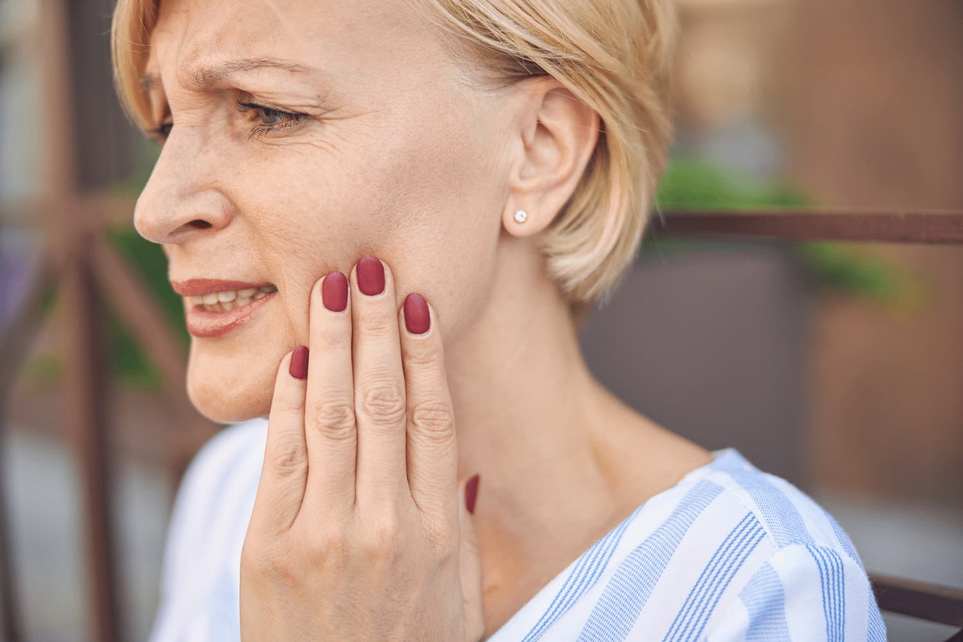
Menstrual cramps are pain in the lower abdomen that often occurs in conjunction with menstruation. The pain can vary from mild to intense and can affect daily activities and quality of life for some women.
Why do women experience menstrual cramps?
- When the uterus, a muscle, expels the uterine lining, it contracts, causing cramps.
- The body produces substances called prostaglandins, released during menstruation, increasing pain sensitivity and inflammation, leading to menstrual cramps.
- Some medical conditions like fibroids and endometriosis can cause increased pain during menstruation.
- Stress and hormonal imbalances of estrogen and progesterone can affect the severity of menstrual cramps.
What helps alleviate menstrual cramps?
- Pain relievers – using nonsteroidal anti-inflammatory drugs like ibuprofen can help reduce pain and inflammation.
- Heat therapy – applying heat to the area of menstrual cramps, either through a hot water bottle or heating pad, can relieve muscle contractions and increase blood circulation.
- Physical activity – light exercises, like walking or stretching, can help reduce menstrual cramps by releasing endorphins and improving circulation.
- Avoiding certain foods – some women find relief by reducing intake of caffeine, salt, and sugar during menstruation.
- Relaxation techniques – methods like deep breathing exercises and yoga can help reduce stress, thereby alleviating and managing menstrual cramps.
Why do some women experience worse menstrual cramps than others?
Some women suffer from such severe menstrual cramps that it becomes challenging to perform everyday tasks. Factors that may play a role and impact this condition include; high levels of prostaglandins, a larger uterus or increased growth of uterine tissue, genetic factors, conditions like myomas and pelvic inflammation, and lifestyle factors such as stress, lack of exercise, and poor dietary habits affecting hormone balance and menstrual cycle.
Menstrual-like pain at different stages of life
Menstrual pain during pregnancy – when the pain resembles period cramps
During pregnancy, menstruation does not occur, but some people may still experience pain that resembles menstrual cramps. This is most often due to the uterus growing, ligaments stretching, and increased blood circulation in the pelvic area. Such pain is often harmless, but should always be evaluated if it is persistent, severe, or accompanied by bleeding.
Menstrual pain without menstruation
Menstrual-like pain without an ongoing period can have several causes, such as hormonal fluctuations, ovulation, endometriosis, or other gynecological conditions. The pain may be experienced as dull or cramp-like even though no bleeding occurs.
Menopause and menstrual-like pain
During menopause, levels of estrogen and progesterone decrease, which can affect the uterus and pelvic area. Even if menstruation becomes irregular or stops completely, some people may still experience pain that resembles menstrual cramps, often related to hormonal changes.
When should you seek medical help?
If your menstrual pain is extremely severe and not relieved by common painkillers, or if it significantly affects daily activities, you should seek medical advice. This may be a sign of underlying medical conditions that require professional evaluation and treatment.