








What is carpal tunnel syndrome?
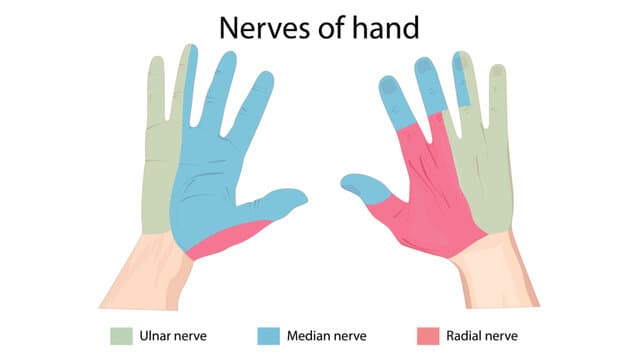
The carpal tunnel is a narrow passage in the wrist through which nerves and tendons pass. When pressure in this tunnel increases, for example due to swelling or inflammation, the median nerve becomes compressed. This leads to typical symptoms such as numbness in the hand, tingling in the fingers, and sometimes pain that radiates up into the forearm.
Common symptoms of carpal tunnel syndrome
Symptoms often develop gradually and can vary in intensity. The most common complaints are numbness and tingling in the thumb, index finger, middle finger, and parts of the ring finger. Many people also experience aching in the wrist, reduced sensation, and a feeling of weakness in the hand. It is also common to wake up at night with a “pins and needles” sensation in the hand.
During the day, symptoms may worsen during activities such as holding a mobile phone, driving, or working at a keyboard. In more advanced cases, fine motor skills may be affected, making it harder to grasp small objects.
Causes of carpal tunnel syndrome
There are several underlying causes of increased pressure in the wrist. Overuse from repetitive movements is one of the most common factors, especially in office work with poor ergonomics where the wrists are under prolonged strain. Carpal tunnel syndrome is also common during pregnancy, when hormonal changes and increased fluid retention in the body can cause swelling in the wrist and thereby increased pressure on the median nerve.
Other causes include inflammatory conditions, diabetes, rheumatism, and thyroid disorders. Previous wrist injuries can also affect the space in the carpal tunnel. Women are affected more often than men, and the risk increases with age.
Diagnosis and examination
The diagnosis is usually made through a clinical examination where the doctor assesses symptoms, sensation, strength, and reflexes in the hand. Common tests can provoke tingling or numbness by stressing the wrist in different ways.
To confirm the diagnosis, a nerve conduction study is often used, which measures how quickly signals are transmitted through the median nerve. This examination can also show how severe the nerve compression is.
In some cases, additional tests may be needed. Ultrasound can be used to show swelling in the nerve or changes in the tissue within the carpal tunnel. MRI (magnetic resonance imaging) is used less frequently but may be relevant in unclear cases or if other causes of the symptoms are suspected, such as a tumor or structural abnormalities. Blood tests are sometimes taken to rule out underlying conditions such as diabetes, thyroid disorders, or inflammatory diseases.
Treatment of carpal tunnel syndrome
Treatment depends on how severe the symptoms are and how long they have been present. For mild symptoms, self-care may be sufficient. This includes reducing strain on the hand, taking regular breaks, and using wrist support, especially at night. Ergonomic adjustments in daily life also play an important role.
For more pronounced symptoms, medical treatment may be needed. Pain relievers and anti-inflammatory medications can provide temporary relief. Cortisone injections in the wrist are sometimes used to reduce swelling and pressure on the nerve.
If symptoms are long-lasting or if there is clear weakness in the hand, surgery may be considered. The procedure involves cutting the ligament that is pressing on the nerve, which creates more space in the carpal tunnel. Most people experience significant improvement after surgery.
When should you seek medical care?
You should contact healthcare services if you have persistent numbness in the hand, tingling in the fingers, or pain that does not go away. It is especially important to seek help if you experience weakness in the hand or have difficulty gripping objects, as this may indicate more significant nerve involvement.
Preventive measures
To reduce the risk of carpal tunnel syndrome, it is important to avoid prolonged repetitive strain and to vary hand movements. Regular breaks, good ergonomics, and simple exercises for the hands and wrists can help prevent symptoms.